
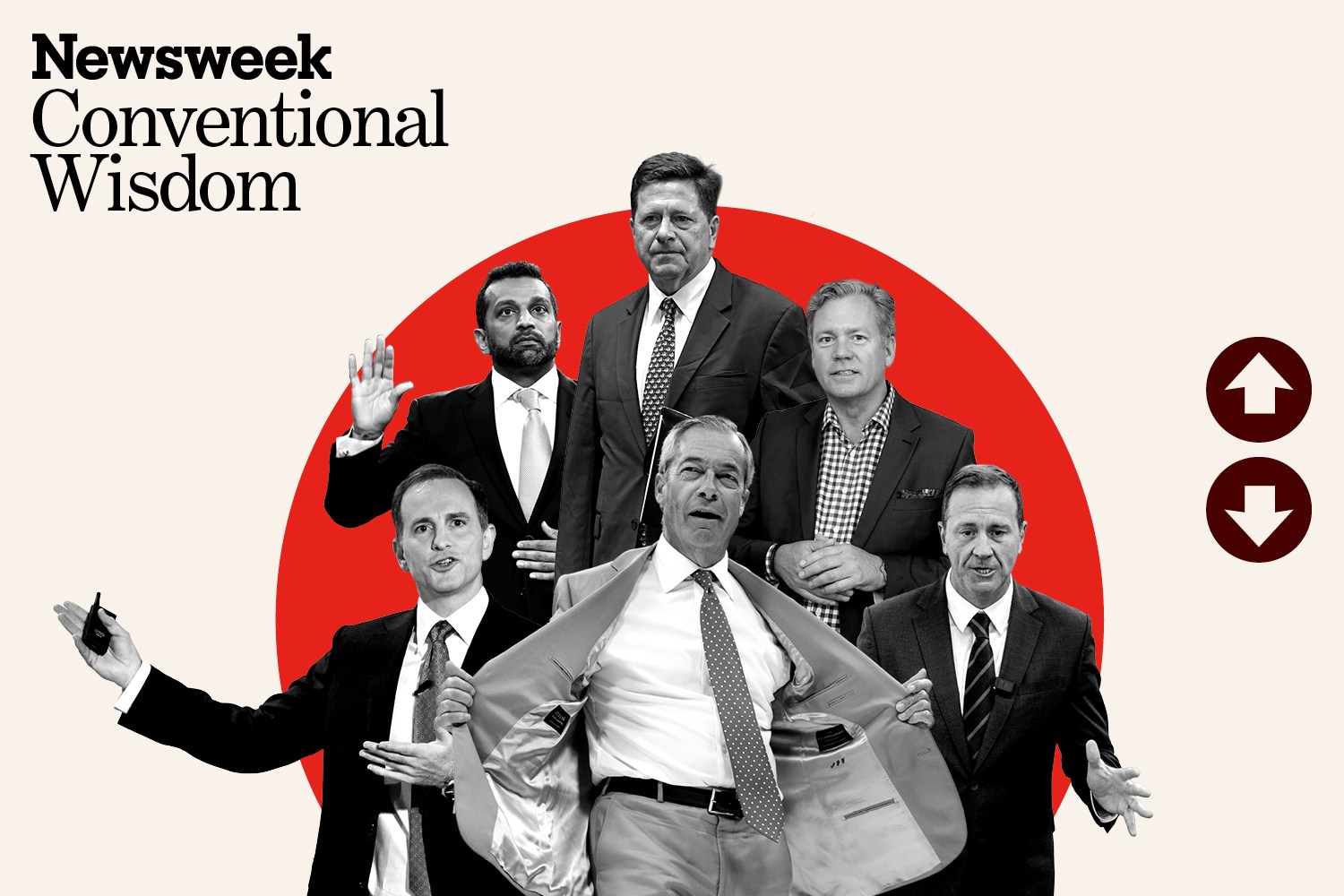
Every sting follows a simple principle: the target believes they are in control. However, the operation only succeeds if those behind it remember the details. Lately, the orchestrators often appear in their own footage.
Eric Schmitt’s Misstep
During a Senate Judiciary Committee hearing, Missouri Senator Eric Schmitt accused former special counsel Jack Smith of perjury. Schmitt claimed Smith had attended an Atlanta Hawks game as a cover to meet Fulton County District Attorney Fani Willis. The reality was different; Smith was at an Iowa Hawkeyes game in Maryland. Schmitt’s accusation was off by several states and a few letters.
Kash Patel’s Incident
The FBI director reported the arrest of a key figure in ShinyHunters by Dutch police. Just a week before, the group allegedly revealed FBI agents’ personal records from the bureau’s recruiting site, reportedly including Patel’s information. While Patel identified a ShinyHunters leader, the rest of the group exposed Patel.
Jay Clayton’s Recognition
During discussions on filling the role of White House AI czar, President Donald Trump suggested his director of national intelligence: “He’s a good man. He’s right here. That’s a good idea.” The following day, Clayton appeared on CNBC, declaring superintelligence as a national security issue. In Trump’s administration, presence in the room often serves as the strongest credential.
Joe Gebbia’s Launch
Airbnb co-founder turned U.S. chief design officer, Joe Gebbia, introduced America.gov, a government chatbot powered by Gemini and Grok. On its launch day, the bot stated there was “no widespread fraud that changed the outcome” of the 2020 election and called the Pentagon the Department of Defense. It soon ceased addressing political topics.
Nigel Farage’s Context
As Labour gained traction in the polls, new Prime Minister Andy Burnham expressed at a conference that Brexit had caused “more harm than good.” He told the BBC that Britain might consider returning to the EU. For Farage, a figure in Reform UK, Burnham’s statement seemed like a chance to revisit his earlier endeavors.
Chris Hansen’s Response
Chris Hansen, known for To Catch a Predator, criticized A24’s movie Primetime, where Robert Pattinson portrays a darker version of him. Hansen also purchased 30-second ads that broadcast before the film across 3,500 screens, inviting viewers to explore his streaming service. Despite his distaste for the film, Hansen paid for its pre-screen ads.
Originally featured in Newsweek’s print edition, Conventional Wisdom used arrows to signify the rising or falling status of political figures. In the digital age, it makes a return as the challenge it once satirized—exaggeration and partisan certainty—grows more pronounced.
CW assigns arrows to those influencing current events. These symbols do not predict the future or suggest deep insight, but rather capture current trends without bias. While partisan media often affirms rather than challenges views, CW remains neutral, dedicated to challenging inflated reputations and unearthing truths.
Do you agree with our editors on which way the political winds are blowing? Send us a message here.