
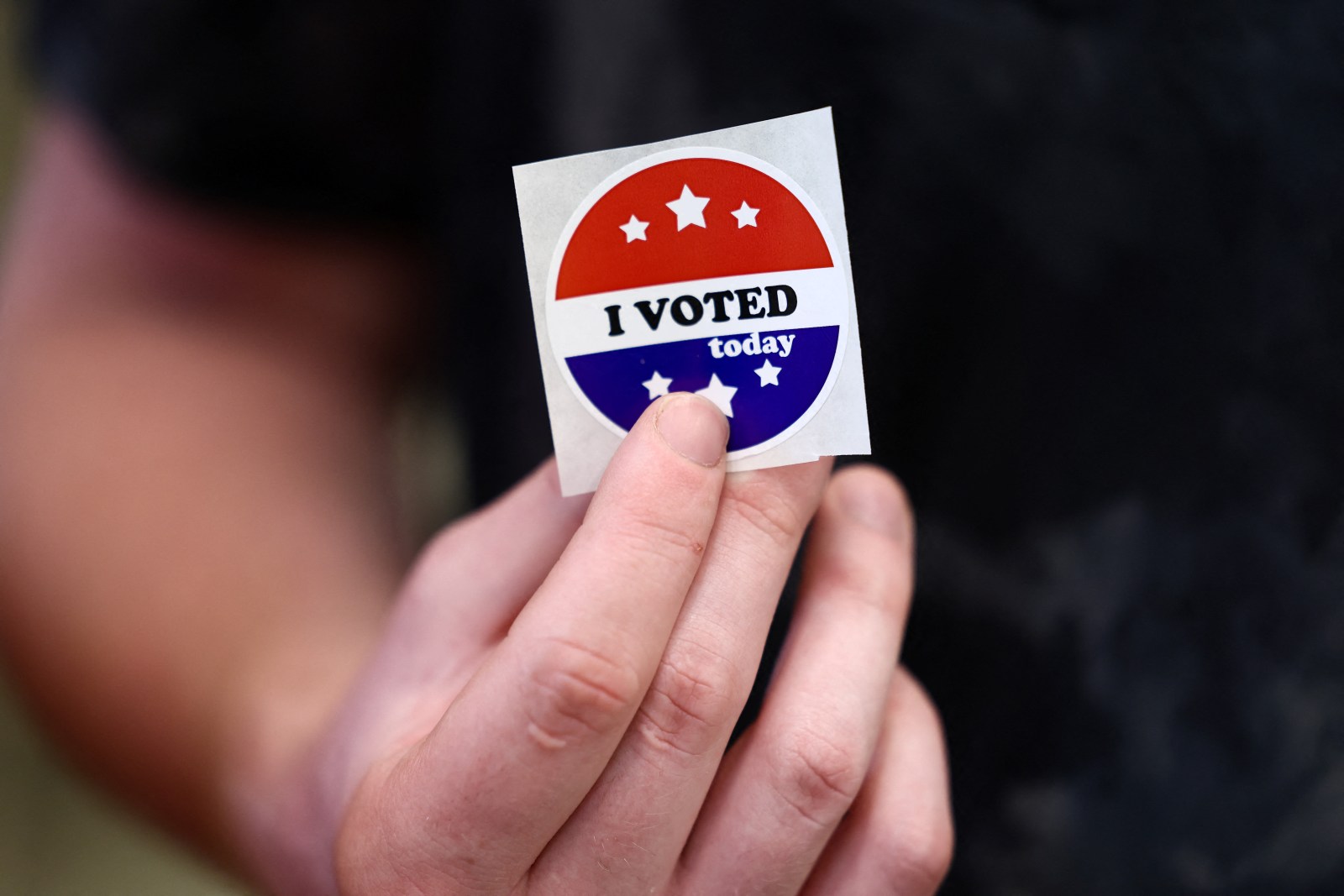
Across the nation, political campaign staffers are preparing for a range of outcomes on November 3. They anticipate celebrating with Champagne or consoling with tissues. While candidates will react to victory or defeat, nonpartisan groups like ours focus on different outcomes. We aim to see if Americans voted in large numbers and whether new turnout records were set. We also examine how many eligible voters were excluded from the process, unnoticed and unengaged.
Many Americans reside in areas often neglected by campaigns, known as civic deserts. These regions lack a history of strong voter involvement and face scarce political outreach. Modern voter data allows for microtargeting, where campaigns direct ads only to likely voters who are expected to support them.
This approach leaves certain communities overlooked repeatedly. When campaigns withdraw, they take insights that might lead them to bypass these areas in future elections. This pattern affects lower-income communities, which already have low voting histories. Being ignored makes these communities less likely to vote, perpetuating a cycle.
This cycle needs attention before assessing who voted and why. Nonpartisan nonprofits can significantly impact this issue. They play a crucial role in engaging underrepresented voters.
Historically, several barriers hinder voter participation. Our past election data highlights obstacles such as limited contact as a major factor in voter turnout. Nonprofits can assist voters without strong voting histories by addressing issues like structural barriers, securing IDs, and overcoming language challenges.
For example, Rutgers reported that among people with disabilities who didn’t vote in 2024, 15.6% lacked assistance. Even voters with disabilities who did vote faced challenges at a higher rate than others. Rutgers estimated that in 2024, 40.2 million Americans with disabilities were eligible to vote.
Work conflicts also interfere with voting. Missing a work shift to vote can prevent future outreach opportunities. Nonprofits can help by explaining early voting and mail ballot options, offering flexible voting solutions.
After the 2024 election, 59% of nonvoters aged 18 to 34 stated they hadn’t been contacted by any organization or campaign. Campaigns often prioritize those who consistently vote. Thus, those missing an election become less likely to receive outreach in subsequent ones. Yet, circumstances alone don’t gauge a person’s concern for their community or country.
Ample community organizations exist that can address these barriers. Nonprofits remain active in communities year-round, unlike campaign operations that end post-elections. These organizations deserve more investment, especially looking towards future elections in 2027 and 2028. Relying solely on campaign priorities isn’t sustainable.
As the country dissects results on November 4, discussions will center on winners, effective messages, and voter turnout. While campaign activities conclude, overlooked communities persist. Before using turnout figures to determine future voter outreach, we must consider how many eligible Americans were excluded early. More importantly, we need to ensure they aren’t overlooked next time.
Brian Miller is the executive director of Nonprofit VOTE and co-author of Help Your Community Vote (Berrett-Koehler Publishers, 2027). The views in this article are the writer’s own.