
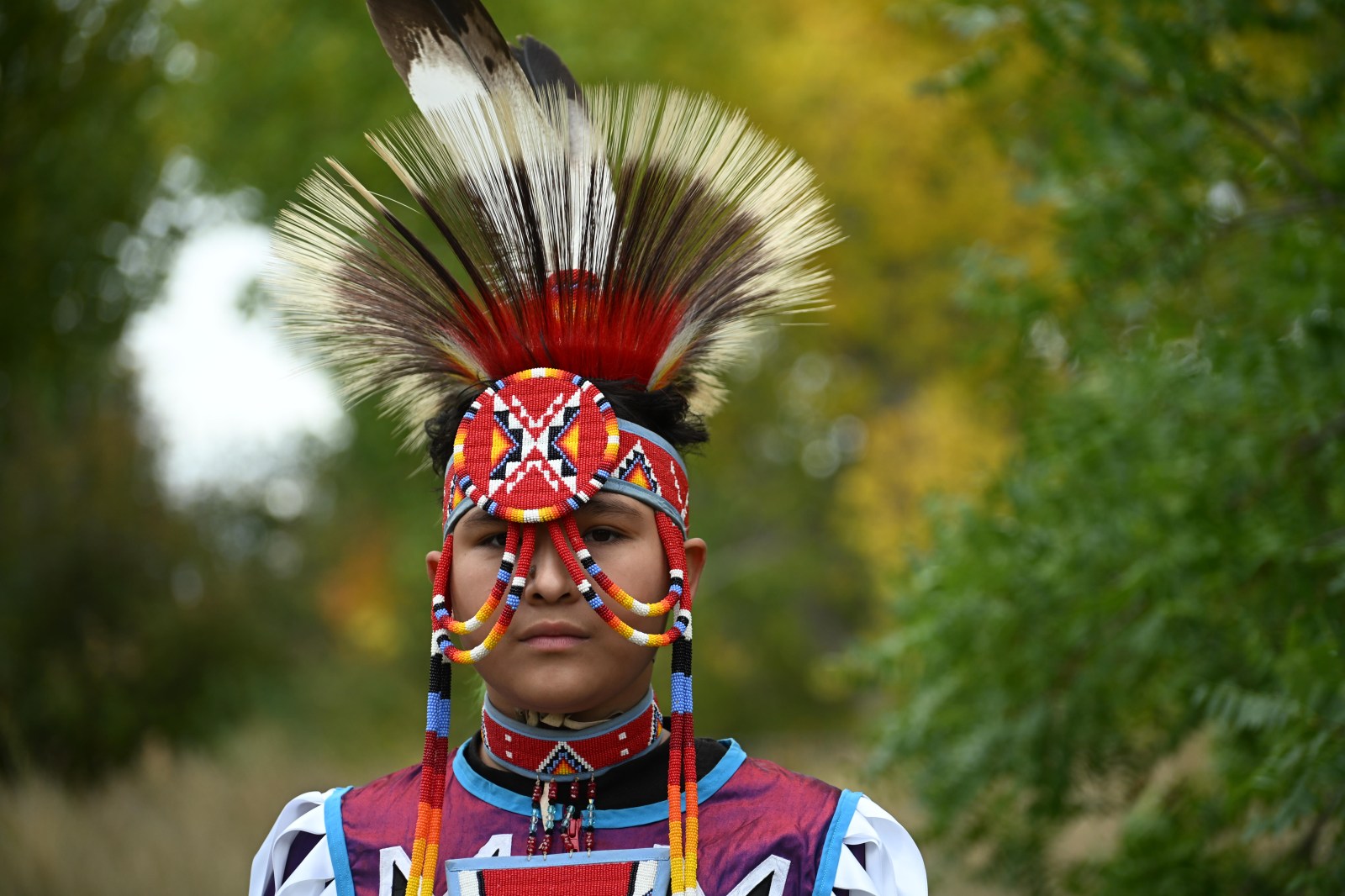
Americans recognize the second Monday of October under varying names, influenced by their location. States remain divided on whether to observe Columbus Day, Indigenous Peoples’ Day, or both. This year, the date was Monday, October 12. While Columbus Day is an official federal holiday, states increasingly adopt Indigenous Peoples’ Day to honor Native Americans.
According to Pew Research Center, 30 states and three U.S. territories acknowledge Columbus Day in some manner. Only 20 states and two territories grant it as a paid holiday for state employees. Additionally, 17 states and Washington, D.C., honor Indigenous peoples on the same day, but only five states do so as a paid holiday: Montana, Nebraska, Ohio, Pennsylvania, and Rhode Island.
Significance of the Holiday Debate
The designation of the October holiday reflects a wider discussion on how the U.S. honors its past. The attachment of either Columbus Day or Indigenous Peoples’ Day has sparked differing opinions. Despite being embedded in federal law, various states opt to honor Indigenous peoples alongside or instead of Columbus.
Is Indigenous Peoples’ Day a Federal Holiday?
Currently, Indigenous Peoples’ Day is not a federal holiday. Columbus Day remains the federally recognized holiday on the second Monday of October. However, in 2021, President Joe Biden issued a proclamation recognizing Indigenous Peoples’ Day without altering the federal holiday’s statutory name.
Biden stated, “On Indigenous Peoples’ Day, our Nation celebrates the invaluable contributions and resilience of Indigenous peoples.” Conversely, President Donald Trump praised Columbus in a recent proclamation, affirming America’s commitment to preserving his legacy.
Which States Observe Indigenous Peoples’ Day?
Seventeen states plus Washington, D.C., recognize Indigenous people on the second Monday of October. These observances manifest in three distinct ways:
- Indigenous Observance alongside Columbus Day: States such as Montana, Nebraska, Ohio, Pennsylvania, and Rhode Island observe Indigenous Peoples’ Day alongside Columbus Day. Alabama observes both Columbus Day and American Indian Heritage Day.
- Indigenous Holiday in Place of Columbus Day: States like Maine, New Mexico, South Dakota (called Native American Day), and Vermont acknowledge an Indigenous holiday instead of Columbus Day.
- Indigenous Observance without Paid Holiday: Seven additional states recognize Indigenous Peoples’ Day without granting a paid holiday, including Alaska, California, Hawaii, Minnesota, Oklahoma, Oregon, and Wisconsin.
Continuing Columbus Day Observance
Despite changes in some locations, Columbus Day is still present in many state calendars. Pew identifies 30 states and three U.S. territories acknowledging Columbus Day, with 20 of them providing a paid holiday for state workers.
Some states maintain both Columbus and Indigenous observances, while others keep Columbus Day as a sole paid holiday. Differences on this issue highlight ongoing arguments about Columbus’ legacy. Supporters of Columbus Day cite its importance to Italian American heritage, while those advocating for Indigenous Peoples’ Day emphasize acknowledging the pre-European history and impacts of colonization.
History of Indigenous Peoples’ Day
The celebration of Indigenous Peoples’ Day has evolved over decades. A conference in Geneva in 1977 discussed replacing Columbus Day with Indigenous Peoples’ Day. In 1990, South Dakota adopted Native American Day, and in 1992, Berkeley, California, became the first U.S. city to recognize it. Biden’s 2021 proclamation brought the conversation to the White House, yet it did not establish a new federal holiday or remove the existing one.
Status of Banks and Schools
On October 12, federal offices close in observance of Columbus Day. The U.S. Postal Service also confirms observance. The Federal Reserve Banks close, leading most bank branches to do so. Schools, however, have varying schedules; there is no mandate for public schools to close. Most private businesses also determine their operation on this day.
Future of the Holiday
Columbus Day remains federally observed, but state divisions continue. States may adjust their holiday calendars to honor Indigenous peoples, but at the federal level, Columbus Day is the legally established holiday. Trump emphasized America’s indebtedness to Columbus, vowing to protect his legacy.