
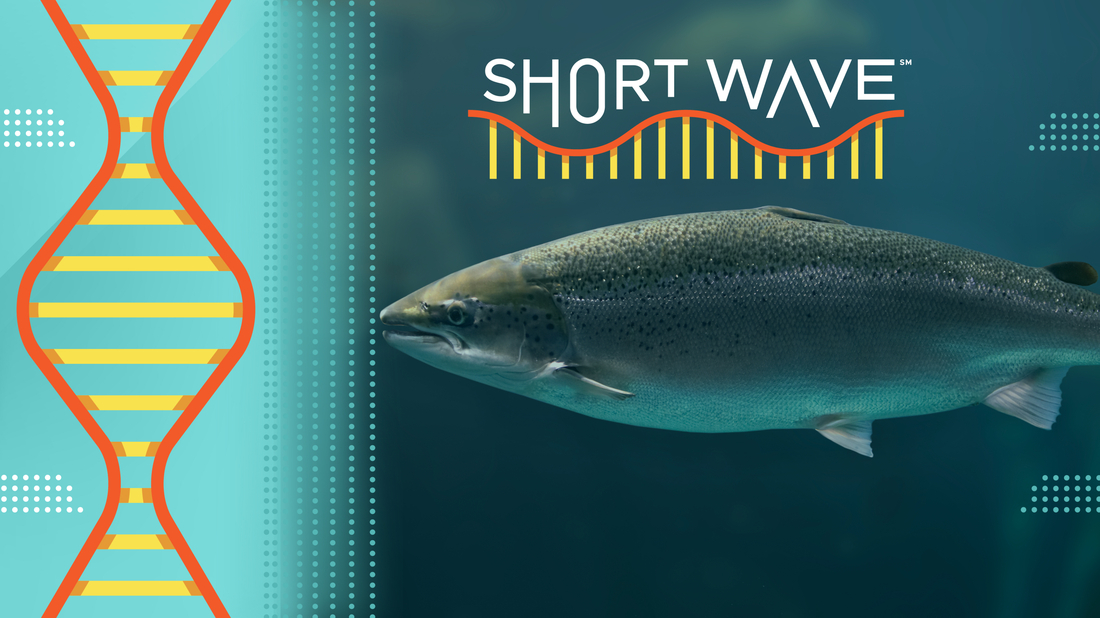
Coho salmon, known for their life cycle involving spawning in freshwater, ocean migration, and a return to their birthplace, have been facing a troubling phenomenon for decades. Researchers noticed that in urban streams of the Pacific Northwest, many Coho salmon were dying before they could spawn.
These salmon displayed disoriented swimming patterns and eventually succumbed before completing their life cycle. This raised alarms among researchers since the extinction of the species was a potential risk. Scientists, including biologists, modelers, community scientists, and environmental chemists, rallied together to identify the culprit behind these mysterious deaths.
Initial investigations focused on typical environmental factors such as temperature, oxygen levels, and known toxins. However, these were soon ruled out. Attention then shifted to chemicals used in tire manufacturing as a likely suspect. Identifying the specific chemical responsible remained a challenge.
The discovery centered on the harmful impact of these tire chemicals on the salmon, highlighting the significance of continued research and environmental monitoring. Understanding the interplay between urban pollution and aquatic life forms a critical component of conservation efforts.
Ongoing studies and discussions focus on the broader implications of urban pollutants and their effects on wildlife. This research underscores the crucial role of interdisciplinary collaboration in addressing environmental challenges.