
In August 2001, discussions between Mohammed Atta in the U.S. and Ramzi bin al-Shibh in Berlin revealed prospective targets for a significant attack. According to bin al-Shibh’s interrogations at Guantanamo and Donald Rumsfeld’s memoir, Known and Unknown, they used coded language likening their targets to academic fields. ‘Architecture’ referred to the World Trade Center, ‘arts’ to the Pentagon, ‘law’ to the U.S. Capitol, and ‘politics’ to the White House.
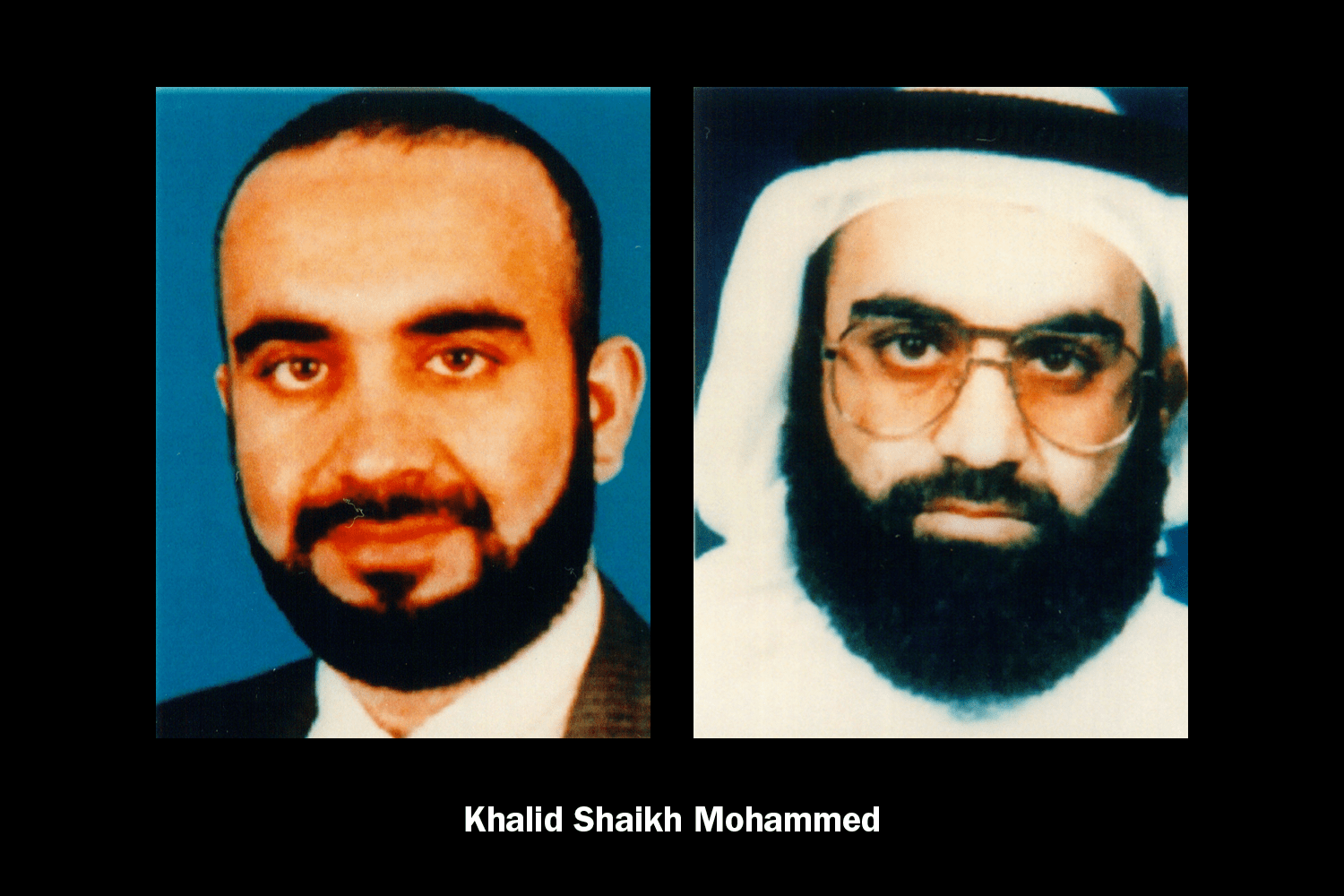
Since 1999, al-Qaeda leadership directed the attackers to focus on political, military, and financial targets. Osama bin Laden preferred the U.S. Capitol, associating Congress with American support for Israel. Nevertheless, Khalid Sheikh Mohammed indicated that Atta had the final call based on situational assessments.
With four available pilots, the team aimed to strike all targets simultaneously. Atta and Marwan al-Shehhi scouted key sites, including the World Trade Center and Washington D.C., reviewing potential targets. They realized the White House was challenging to hit due to its position between larger buildings. Subsequently, they planned simultaneous impacts on both World Trade Center towers, followed quickly by strikes on Washington targets.
While Atta possibly kept his detailed plan from al-Qaeda, bin al-Shibh urged retaining the White House as a target. Atta acknowledged the challenge, noting the difficulty during his reconnaissance.
The significance of targeting decisions is profound. Engineers have studied and concluded that impacts on both Trade Center buildings were crucial to their collapse due to the dispersal of fuel, debris, and intense heat. Had only one tower been hit, it might have stood. The collapse of the neighboring 7 World Trade Center, not directly struck, underscores the cascading effects.
If plans differed and the White House was hit, the implications could have been enormous. The potential destruction of a primary symbol of the nation, along with a shift in political continuity, might have altered the world’s trajectory. The presence of Vice President Dick Cheney at the White House and President George W. Bush’s absence could have led to significant global changes.