
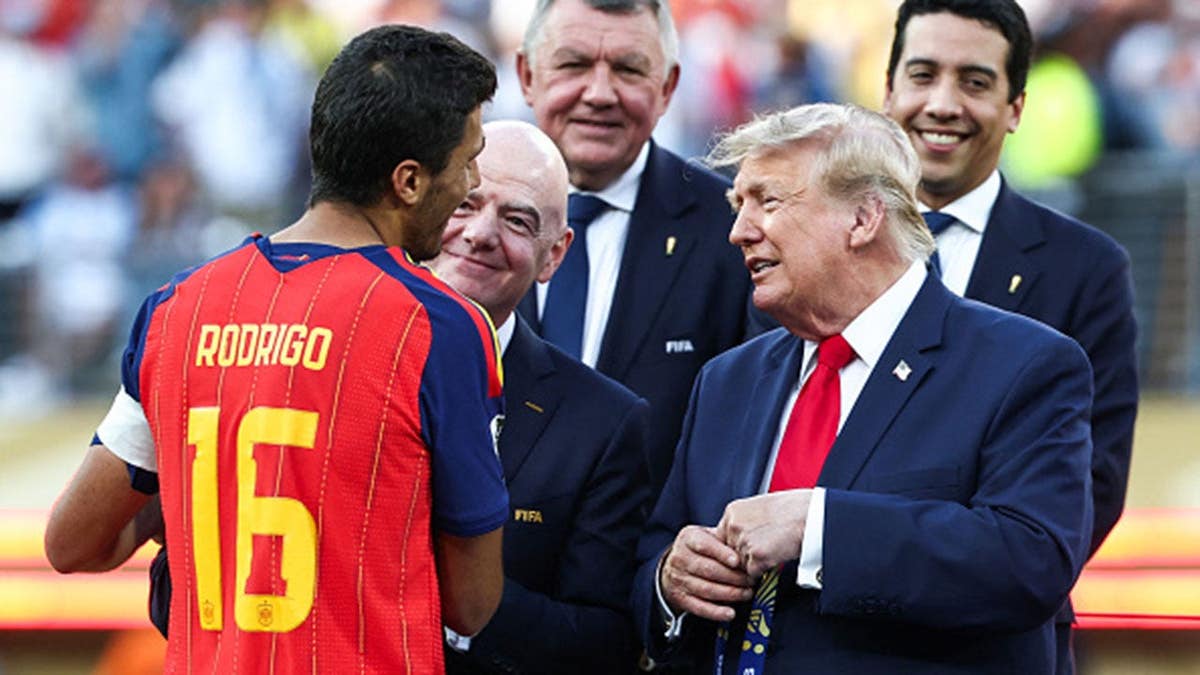
In 2018, President Donald Trump aimed to bring the FIFA World Cup back to the United States, envisioning a legacy of national unity and global hospitality as the country approached its 250th anniversary. His directive was clear: “Make it the best tournament ever.” This mission required a comprehensive government effort, leading to the creation of the White House Task Force on the 2026 FIFA World Cup during Trump’s second term.
The goal was to host the largest, safest, and most welcoming World Cup, creating memorable experiences for fans, athletes, and communities nationwide. Trump’s experience in hospitality and attention to detail set a standard for excellence. The event drew over 6.5 million fans to matches in 16 host cities across the U.S., Mexico, and Canada. The United States alone had 11 host cities, with stadiums filled to 99.7% capacity. FIFA Fan Festivals welcomed an additional 7.7 million visitors.
Fans from over 150 countries experienced American hospitality, and the tournament garnered over 20 billion video views globally. The World Cup received recognition not only for its attendance but also for its widespread economic benefits. Small businesses thrived, and local economies saw a significant positive impact.
Security was a top priority, with no major incidents reported. Federal coordination teams, supported by $625 million in funding for local law enforcement and $500 million invested in counter-drone technology, ensured safety. Collaboration with state and local officials improved preparedness, resulting in a robust information-sharing system that will prove beneficial in the future.
The World Cup’s success extended beyond immediate economic gains. Philadelphia, for example, projected a $770 million economic impact. New technologies, enhanced training, and strengthened international partnerships highlighted America’s capability to host large-scale events. This effort marked the beginning of what has been termed the “Golden Age of Sports,” with lessons drawn from this experience likely to shape future events.
Trump’s involvement in the 2026 World Cup realization was a personal achievement for him. It was an honor for those involved in the Task Force to contribute to this accomplishment. The hospitality, security, and top-notch venues showcased American excellence. The World Cup fostered a renewed appreciation of soccer within the country and strengthened the global perception of the United States.
Looking forward, as America prepares to host future events like the Olympics, the 2026 World Cup stands as evidence of its capacity to deliver on ambitious goals. It redefined international sports interaction, leaving a lasting legacy and highlighting the potential for future successes in America’s sporting endeavors.