
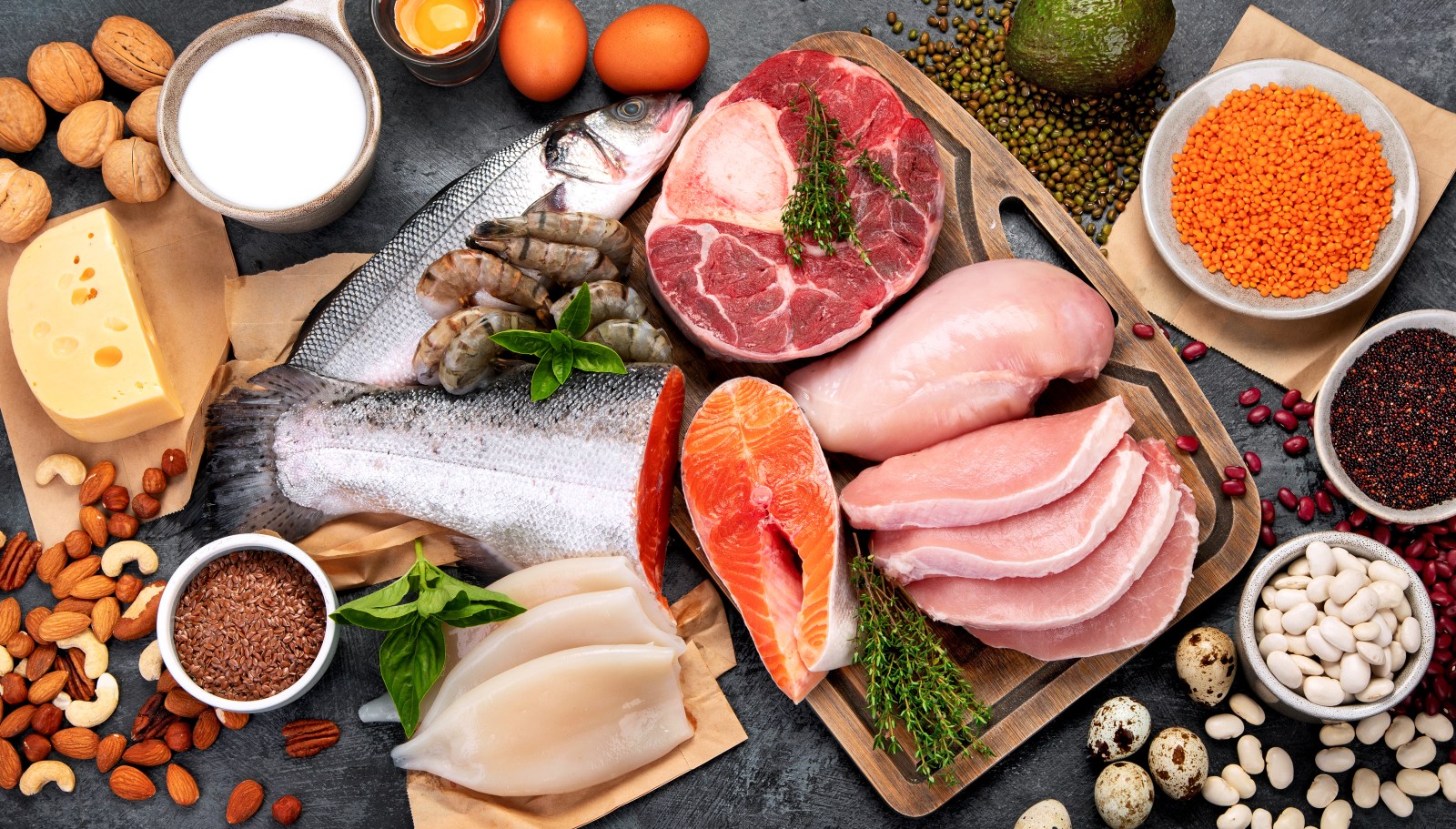
A recent scientific review published in Cell Press Blue suggests that high-protein diets and protein-fortified foods could be detrimental for sedentary adults. The review analyzed over 350 studies focusing on protein restriction and aging, examining organisms from yeast to rodents. It concluded that reducing protein intake, or limiting specific amino acids found in protein-rich foods, may enhance metabolism, reduce cellular damage, and activate biological pathways that promote longevity.
Protein and Dietary Guidelines
The review’s findings come as there is a growing national trend in favor of higher protein consumption. In early 2023, Health and Human Services Secretary Robert F. Kennedy Jr. highlighted updated dietary guidance encouraging Americans to prioritize protein. Current federal recommendations suggest adults consume around 1.2 to 1.6 grams of protein per kilogram of body weight per day. This is an increase from the longstanding Recommended Dietary Allowance of 0.8 grams per kilogram.
Benefits and Concerns of Protein Intake
Protein is critical for muscle growth, tissue repair, and recovery. High-protein diets are often recommended for athletes and older adults to preserve muscle mass and combat sarcopenia, which is age-related muscle loss. However, the new review indicates that for many sedentary adults, excessive protein consumption could negatively impact long-term health.
“It’s absolutely crystal clear that there are benefits of protein to muscle growth and exercise response of active individuals. But because most people are relatively sedentary, many people are likely consuming more protein than they actually need, which probably has negative health consequences,” said Dudley Lamming, a professor at the University of Wisconsin–Madison and co-author of the study.
The Science of Protein and Caloric Restriction
The research also addresses caloric restriction, a field in aging science that has shown reducing calorie intake without causing malnutrition can extend life span in animals and lower the risk of age-related diseases. Protein restriction may activate similar biological pathways as caloric restriction, possibly offering benefits without drastically cutting calories.
Why Reducing Protein Intake Might Be Beneficial
High protein intake might lead the body to prioritize growth processes over cellular functions essential for healthy aging and disease resilience. In animal studies, particularly involving mice, protein restriction showed improved metabolic health and extended lifespan, even with consistent overall calorie intake.
The review emphasizes the role of specific amino acids, such as methionine, isoleucine, and valine. Methionine is abundant in meat, fish, eggs, and dairy, while isoleucine and valine, part of branched-chain amino acids (BCAAs), are also found in meat, poultry, fish, dairy, and protein supplements. Plant foods like soybeans, beans, lentils, nuts, and seeds contain these amino acids too, though in varying proportions.
Evidence primarily from yeast, flies, and rodent studies associates protein restriction with longer life spans and better metabolic health. There are also human clinical trials suggesting that lower-protein diets can improve body weight, fat mass, and fasting blood sugar levels.
Individualized Nutritional Needs
Despite these findings, the authors warn that protein is not harmful and that healthy adults should not necessarily reduce their intake. Higher protein intake is beneficial in specific contexts. Extensive studies confirm that protein-rich diets assist older adults in maintaining muscle mass, enhancing strength with resistance training, and managing weight.
Due to the complexity of nutrition science, a physically active individual aiming to maintain muscle likely needs more protein than someone mostly sedentary. Age also influences protein requirements, with muscle loss speeding up in later years. The review suggests that dietary recommendations be more personalized, rather than assuming that more protein is unilaterally beneficial.