
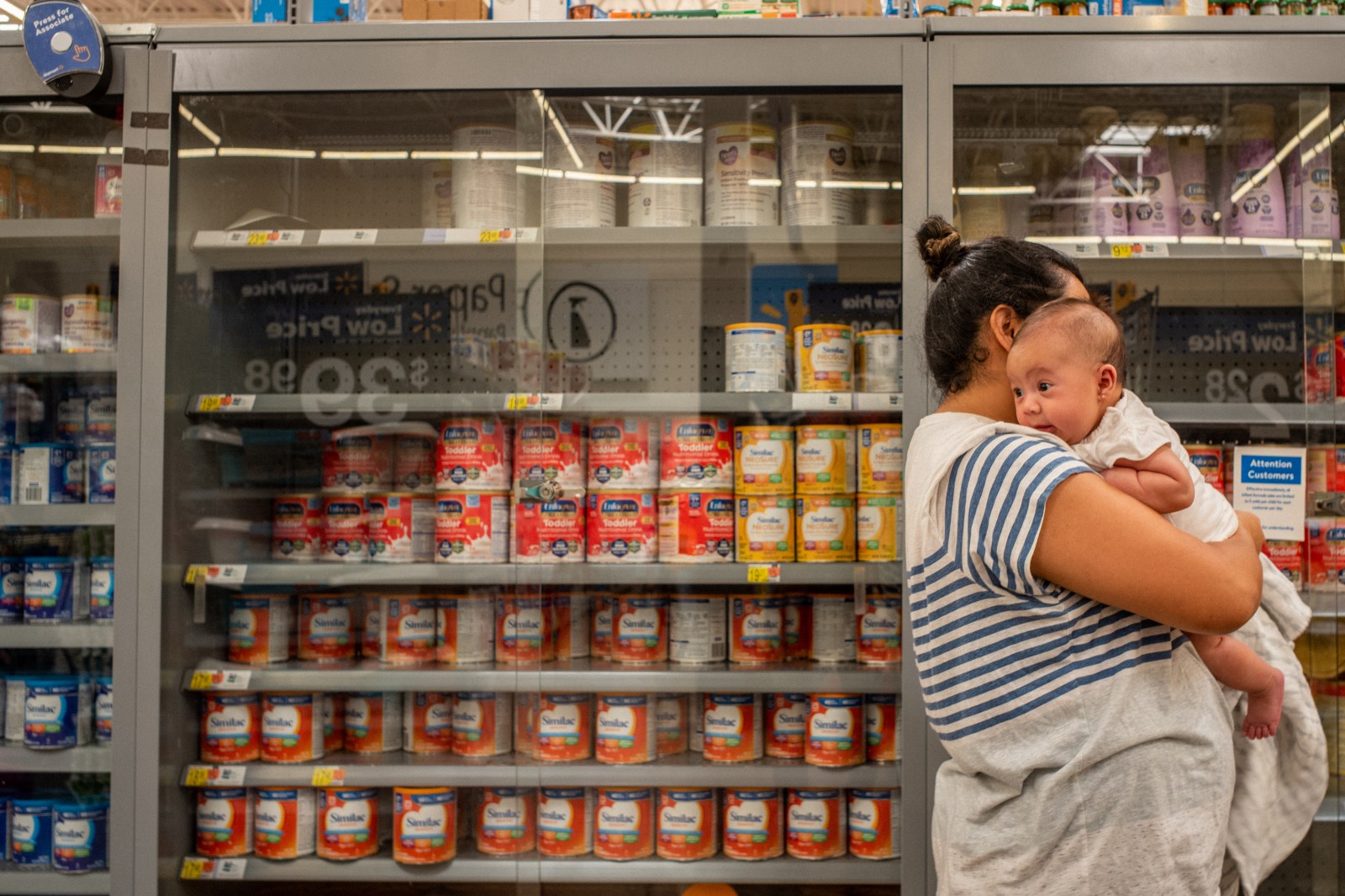
Republican Lawmakers Push for Infant Formula Safety
Republican legislators are urging Health and Human Services Secretary Robert F. Kennedy Jr. to enhance federal oversight of infant formula. They emphasize the need for stronger protections against heavy metals and contaminants found in products consumed by millions of babies. Despite a recent FDA study indicating the safety of the U.S. formula supply, lawmakers and consumer advocates are calling for formal limits and increased transparency.
Legislation to Set Contaminant Standards
Two new Congressional bills aim to establish contaminant standards for infant formulas and conduct research into the health effects of toxic metals like arsenic, lead, cadmium, and mercury. Under Secretary Kennedy and President Trump’s administration, the FDA undertook significant reviews of contaminants in infant formula, expanding testing and surveillance to ensure reduced contaminant levels and increased transparency for parents.
An HHS spokesperson stated, “Infant formula is a critical source of nutrition early in life. Protecting babies and young children remains central to the Department’s Make America Healthy Again mission.”
Details of the FORMULA Act
Florida Representative Brian Mast introduced the FORMULA Act of 2026 on July 20. The bill proposes to amend the Federal Food, Drug, and Cosmetic Act, establishing maximum permissible contaminant levels in infant formulas. Kennedy would base regulations on factors such as the cumulative health impacts of contaminants, their prevalence in agricultural soil and source water, and their bioaccumulative nature in the human body.
Additionally, the bill mandates manufacturers to test formula and keep records for at least two years after the formula’s expiration. It would require an annual report to Congress listing violators of standards and highlighting progress in reducing contaminants.
Safe Baby Formula Act
On July 27, Representative Tom Barrett of Michigan introduced the Safe Baby Formula Act of 2026. This bill demands an HHS study on the effects of arsenic, cadmium, lead, and mercury in infant formula, with results due within a year. The bill also necessitates establishing action levels for these contaminants while considering the feasibility, enforcement capacity, and impact on food security.
Barrett stresses, “Parents shouldn’t have to worry about what’s in the food they buy for their kids—especially those with newborns or military families. Serious reforms are needed for transparency and healthy options.”
Consumer Advocacy on Contaminant Limits
Consumer advocates argue that unlike the U.S., countries such as the European Union, Canada, and Australia have enforceable limits for contaminants in infant formula. Attention increased after Consumer Reports’ independent testing revealed potentially harmful contaminant levels in some formulas, urging further scrutiny.
Consumer Reports found that half of the 41 tested powdered formulas had potentially harmful levels of contaminants. Notably, inorganic arsenic was present in formulas like EleCare Hypoallergenic and Similac Alimentum, despite regulations laid out by the European Commission.
FDA Findings on Formula Safety
FDA analysis revealed most U.S. formula products meet high safety standards. Despite the detection of arsenic, levels remained below harmful thresholds such as 4.7 parts per billion in over 95% of samples. The agency’s findings reassured parents about the formula’s safety but highlighted the need for federal contaminant limits.
Choosing the Best Baby Formula
- Enfamil Infant Formula concentrated
- Enfamil NeuroPro ready-to-feed
- Similac 360 Total Care ready-to-feed
- Kendamil First Infant Milk ready-to-feed
Pediatricians advise selecting formula based on nutritional needs, availability, and physician recommendations. Liquid formulas, requiring no water mixing, ensure purity during preparation.
Water Quality and Formula Preparation
Experts highlight the significance of using distilled or purified water for formula preparation. This practice ensures contaminants are minimized. They also recommend boiling tap water before use and seeking pediatrician advice on water quality concerns.
The FDA’s findings reassured many parents, but lawmakers argue for further action. Establishing formal contaminant limits and increasing transparency may shape the national debate on infant formula safety.