
The Changing Housing Market in Denver
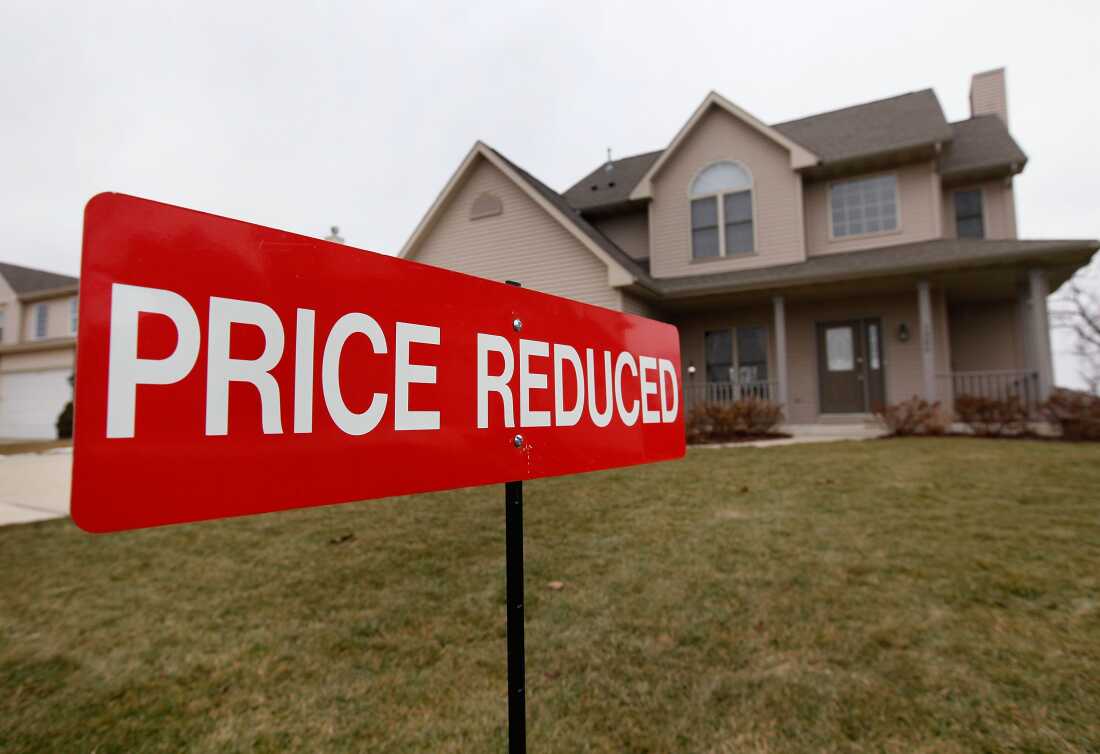
Home prices and rents are declining in the Denver metro area. According to the S&P CoreLogic Case-Shiller Home Price Index, Denver is experiencing one of the steepest drops in housing prices nationally. In particular, property values have fallen over 2% compared to the previous year. If adjusted for inflation, the decline is even more pronounced.
Rents have seen significant reductions too. For residents like Karl Baumgartner, this trend offers new opportunities. Baumgartner, an internal medicine resident, recently moved to a bigger apartment that was previously beyond his budget. With rent down, Baumgartner enjoys amenities that were unattainable before the price drop.
For renters, the fall in rental prices is a clear advantage. Baumgartner shares that one of his friends negotiated her monthly rent down by $500. She demonstrated to her landlord that similar apartments in her area had significantly lower rents. Many young professionals are finding this reduction particularly beneficial as they navigate their early careers burdened by debt.
Economic Implications of Declining Home Costs
While Denver renters celebrate affordability, Baumgartner questions the broader economic impact. Falling prices, while beneficial to tenants, may have negative implications for homeowners and landlords. His query raises an important point: does this reflect a healthy market, or could declining housing costs signal broader economic distress?
The economics surrounding housing prices are complex, without unequivocal answers. Falling property values often benefit renters like Baumgartner. However, lower housing costs can adversely affect homeownership and landlord investments. Declining home prices might indicate a thriving market with builders addressing supply-demand equilibrium, or they might signal economic issues.
Challenges from Declining Home Prices
Consider the case of Detroit. After extensive deindustrialization, Detroit faced a declining population and economic hardships. Home values dropped over 80% during the housing bust in the 2000s. This affordability emerged not from abundance but from economic collapse. With neighborhoods deteriorating, generational wealth vanished for many residents.
Falling home values can depress homeowner spending, a phenomenon known as the wealth effect, according to Daryl Fairweather, Redfin’s chief economist. Economist Eric Zwick recalls 2008’s financial crisis, where declining property values left many owners owing more than their homes’ worth. The crisis was exacerbated by lax lending standards and led to widespread economic repercussions.
Declining housing prices threaten economic sectors like construction and affect municipal tax revenues. Such declines may also result in forced sales, foreclosures, and hindered business operations.
Beneficial Aspects of Lower Housing Prices
Conversely, not all implications are negative. Falling housing costs can alleviate workers’ financial burdens in regions with severe affordability issues. Lack of housing development in these areas restricts workers from moving to places with better job prospects, slowing economic growth.
Researchers Chang-Tai Hsieh and Enrico Moretti found that stringent housing restrictions in regions like the San Francisco Bay Area had significant economic impacts, impeding worker relocation and productivity.
In Denver, economic indicators suggest the decreased housing costs may boost local growth. Kevin Matthews from Denver YIMBY asserts that affordability issues have challenged Denver’s economy by limiting worker relocation.
Indicators of Healthy Market Dynamics
How can one gauge whether price declines signal healthy economics? Several factors can be insightful:
- Supply vs. Demand: Are prices lower due to increased supply or decreased demand?
- Land Values: Declining land values could indicate broader economic issues.
- Price to Income Ratio: This metric compares housing costs to income levels in the area.
- Rate of Decline: Gradual drops tend to be manageable, while rapid declines can signal distress.
In Denver, price reductions seem largely driven by increased housing supply, reflecting a healthy market. Although some out-migration is noted, industry experts do not view this decrease as alarming.
Denver’s recent residential construction surge suggests economic resilience rather than downturn. New housing projects have led to affordability without broad economic downturn.
Ultimately, Denver’s renters, including Baumgartner, benefit from a market adapting to demand.