
Artificial intelligence has moved beyond being a mere software upgrade or a chat interface on smartphones. Significant financial investments in digital infrastructure have shifted it into a crucial component of the global economy, raising multiple concerns.
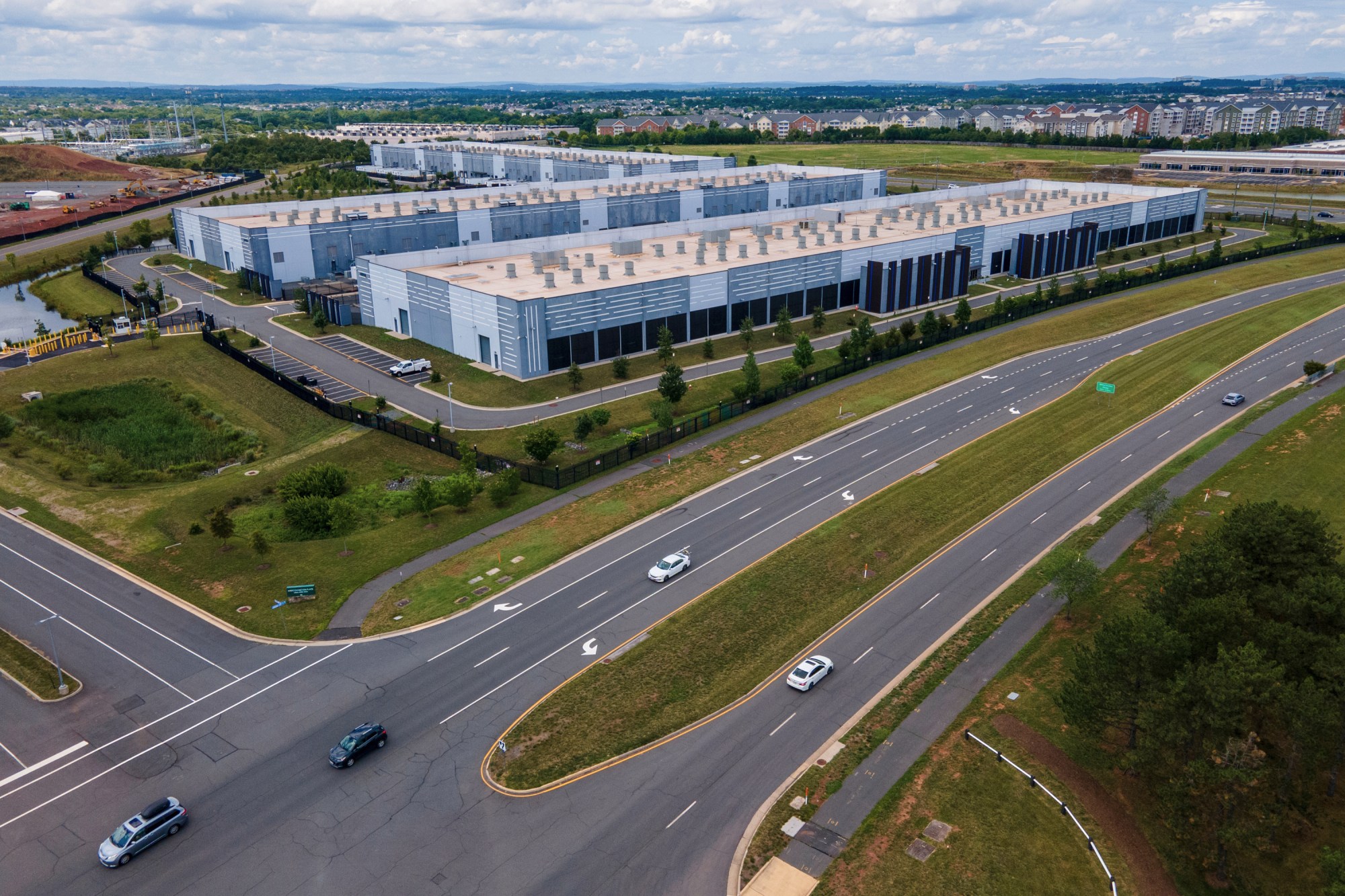
Capital expenditure for large tech companies now mirrors the defense budgets of some nation-states. Significant financial resources are being funneled into silicon chips, liquid-cooled data centers, concrete structures, nuclear power restarts, and high-voltage grids. Industries across the board, including heavy industry, commercial real estate, utilities, and green energy, are banking on continued demand for computing power.
Silicon Valley has managed to offload financial risks to the real world. If there’s a sudden realization that these physical assets might not yield significant returns, the economic repercussions could impact industries like cement production and power generation before it affects Silicon Valley offices.
The Speculative Nature of Tech Investments
Tech companies and venture capitalists are injecting billions into infrastructure for software demand that currently exists mainly in prospects. Building modern data centers involves significant upfront costs, long-term power contracts, and rapidly depreciating hardware.
For instance, Nvidia GPUs can depreciate quickly with the release of faster chips. If enterprise software income falls drastically short of expectations, the new server farms might become symbols of overinvestment. The valuations based on continuous growth could vanish, leaving corporations with obsolete hardware.
Even people who ignore tech news face risks tied to this potential crisis. The stock market, driven mainly by a few mega-cap tech firms, impacts various financial portfolios like pension funds and 401(k) accounts. People unaware of tech jargon can still suffer financial losses if tech stock valuations plunge.
Employment Market Paradox
Corporate leaders in finance, logistics, and retail have promoted hiring freezes and borrowing based on future labor cost reductions through automation. A Microsoft executive highlights the reliance of AI models on “the largest theft of labor in history.”
If software automation fails to materialize, companies may respond to unmet productivity goals by rapid cost-cutting. This scenario could lead to mass layoffs as firms seek to mitigate the costs of unused subscriptions and infrastructure.
The Financial System’s Role
Banks and lenders have extensively funded data center construction and specialized hardware. Private credit funds have invested heavily in risky tech ventures for higher returns. If these investments lose potential, the resulting debt doesn’t disappear. Mortgage defaults during the housing crisis similarly crashed the financial system.
A rapid decline in hardware value could convert failing software projects into a banking crisis, causing liquidity issues and frozen credit markets.
The financial markets currently see digital infrastructure as a secure asset class. However, history shows that when Wall Street treats speculative yield as guaranteed, consequences follow with repercussions.
John Mac Ghlionn is a writer and researcher focused on culture, society, and technology’s impact.