
Donald Trump reshaped the Republican Party, pushing out incumbents who opposed his style. Now, the Democratic Party faces a similar transformation. Many traditional Democratic politicians are being replaced by candidates with democratic socialist views.
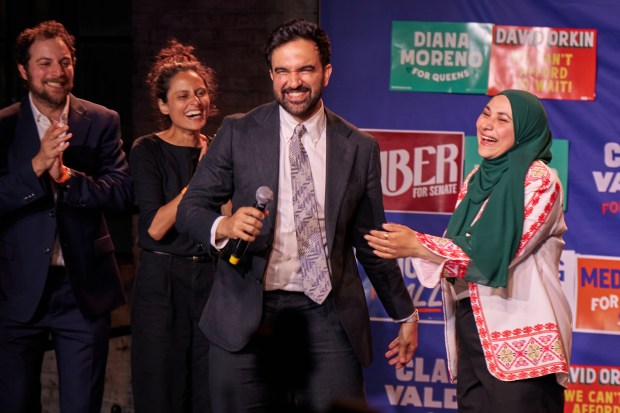
Recently, New York’s DSA Mayor Zohran Mamdani helped three newcomers defeat established Democrats in primary elections. This trend continued in Denver where Melat Kiros, a democratic socialist, won against long-serving Rep. Diana DeGette by more than 10 points.
Kiros and others have faced controversy for past statements. Kiros once appeared to hold the U.S. accountable for 9/11. Another victor, Darializa Avila Chevalier, expressed views against U.S. deportations and borders. She also participated in a rally against Israel soon after a tragic attack by Hamas, an event criticized by New York’s governor.
The shift in voter support reflects dissatisfaction with current Democratic leadership. Voters in urban areas seem eager for fresh faces and new energy. However, while these candidates resonate in blue districts, their ideas may struggle to gain traction nationally.
Many in the Democratic base worry about the party’s leftward drift. While some liberals support these changes, others remain cautious about extreme views. The party risks alienating centrist voters, a crucial segment in national elections.
The success of democratic socialists raises questions about the party’s future. Public figures like Bernie Sanders see these victories as signs of a coming political shift.
Gallup polls show a rise in independent voters. Many Americans are leaving traditional parties, seeking leaders who focus on practical solutions and stability. Democrats have an opportunity to appeal to these voters by addressing their concerns.
The challenge lies in balancing progressive and centrist priorities. The party must find ways to unite different wings to maintain broad appeal. As ideological lines solidify, Democrats must decide if they’ll chase or resist this leftward momentum.