
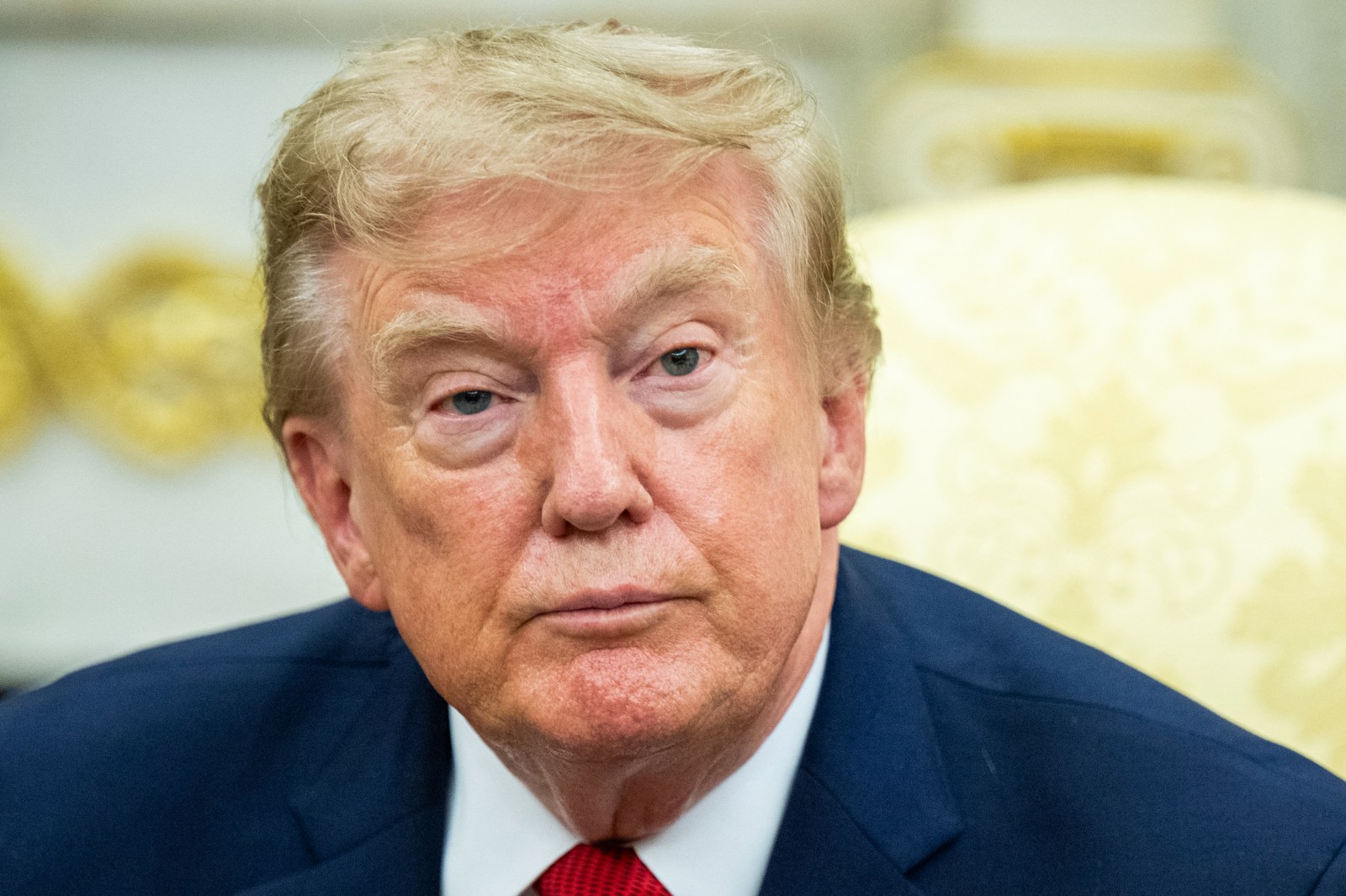
President Donald Trump’s recent executive order aims to restrict birthright citizenship, potentially impacting international surrogacy. The order, named ‘Continuing to Protect the Meaning and Value of American Citizenship,’ aims to deny citizenship to certain children born from surrogacy when neither parent holds U.S. citizenship.
Impact on International Surrogacy
The order directs federal agencies not to recognize U.S. citizenship for children born under specific conditions, including commercial surrogacy where neither parent is a U.S. citizen. Approximately 30% of surrogacy births in the U.S. involve parents residing overseas. The order follows the U.S. Supreme Court’s ruling in Trump v. Barbara, which invalidated an earlier attempt to limit birthright citizenship.
Challenges against the order are already in progress. There’s concern about the order’s execution since parentage orders remain confidential, and birth certificates do not specify surrogate births. Surrogacy advocates argue that international parents prefer the U.S. due to its legal protections and medical expertise, rather than solely for securing citizenship.
“Birthright citizenship can be a factor, but it’s not always the primary intention,” said Dipesh Patel, an expert working with LGBTQ+ couples on IVF and surrogacy.
If the order is blocked, states might attempt to limit international surrogacy themselves. Some states, such as Louisiana and Nebraska, already restrict or forbid compensated surrogacy. Other states could adopt similar measures if international surrogacy concerns grow.
Popularity and Demographics of International Surrogacy
International surrogacy accounts for a significant portion of the U.S. fertility sector. A 2024 study in Fertility and Sterility examined gestational carrier embryo transfers from 2014 to 2020. Findings show 32% involved international intended parents, with a rise from 2,758 cycles in 2014 to 4,905 cycles in 2019, dipping during the COVID-19 pandemic.
The U.S. attracts international surrogacy due to restrictive foreign laws. Many international parents rely on American programs for legal clarity and parental rights. They often differ demographically, tending to be older, predominantly Asian males, and more likely to use donor eggs and genetic testing.
Leading Countries in U.S. Surrogacy
The study highlighted that China leads international surrogacy in the U.S., representing 41.7% of international intended parents. France and Spain follow, with 9.2% and 8.5%, respectively. In places like China, strict laws against commercial surrogacy drive many to seek the U.S. as a viable option.
“The U.S. is among the costliest places for surrogacy,” noted Patel, highlighting expenses often reaching $150,000-$250,000+.
The executive order introduces uncertainty for intended parents from these regions. If applied broadly, acquiring necessary documents for their children may be complicated. Eloise Drane, CEO of Family Inceptions, indicated that intended parents often remain in the U.S. for extended periods post-birth, awaiting essential documents for their newborns.
This order, if enacted, could disrupt international surrogacy significantly, particularly affecting families reliant on U.S. surrogacy due to legal and environmental constraints in their home countries.
Presently, law experts suggest that while challenges might arise, families can still manage to bring their children home. Some may delay their plans, awaiting potential legal challenges to Trump’s order.