
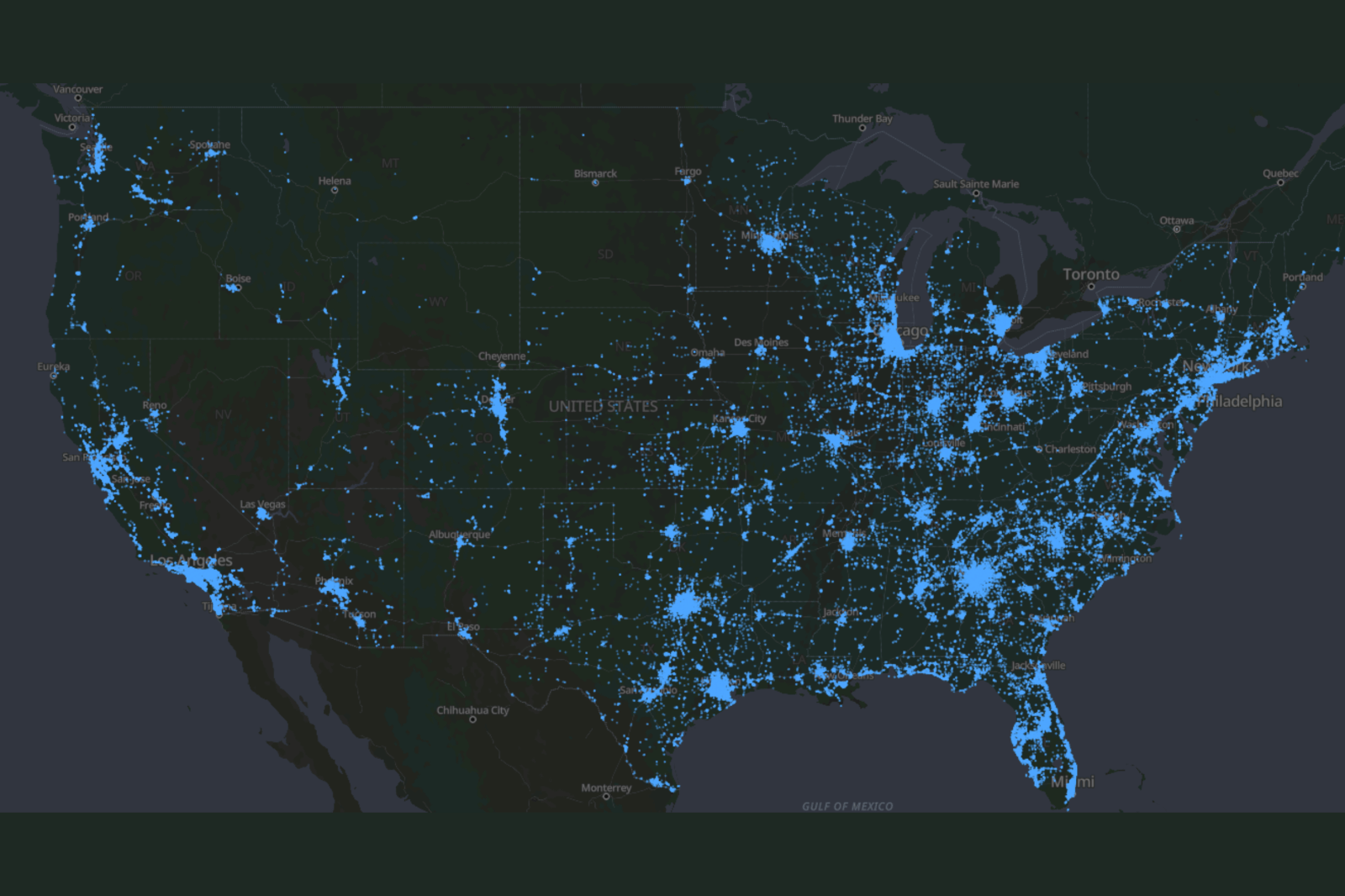
Flock Safety runs a network of automated license plate reader (ALPR) cameras positioned on roads, intersections, and neighborhood entrances. These cameras gather license plate data alongside details like a vehicle’s color, make, and model. Law enforcement agencies participating in the program can then search this information.
Proponents claim that Flock cameras have become crucial investigative tools. Police departments nationwide have credited these cameras with identifying suspects, recovering stolen vehicles, and generating leads in criminal cases. Such benefits have contributed to the company’s swift growth, with installations in thousands of communities across the United States. The anti-surveillance group DeFlock asserts they have mapped over 122,000 license plate reader cameras nationally.
Why Are Flock Cameras So Controversial?
The controversy arises from the feature supporters find most valuable: tracking vehicle movements. Critics point out that while one camera captures a fleeting image, an upgraded network can chronicle a person’s movements extensively. Privacy advocates highlight the risk that these systems might disclose where people live, work, worship, seek medical care, or attend political gatherings.
Resistance to Flock cameras has grown beyond traditional privacy groups, with several communities rejecting or dismantling camera networks over surveillance concerns. Some Republican legislators are advocating for stricter regulation or restriction of ALPR technology, contending it has evolved into a broad surveillance tool threatening privacy rights and constitutional safeguards, notably those in the Fourth Amendment.
Concerns have surfaced about potential misuse of the system. Allegations against officers in various areas for inappropriate database access underscore these issues, leading critics to question the effectiveness of safeguards designed to prevent abuse.
Supporters, on the other hand, argue that isolated misuse should not overshadow the technology’s crime-solving role. They believe stronger audits and access controls can address abuse without eliminating a tool many agencies consider effective. The tension between public safety and privacy defines the current debate over Flock cameras.
Understanding the Fourth Amendment
The constitutional discussion centers on the Fourth Amendment, which guards against “unreasonable searches and seizures.” Historically, courts typically rule little privacy expectation exists for information exposed publicly. Since license plates are visible on public roads, courts often don’t see recording them as a Fourth Amendment search.
Supporters of Flock cameras heavily rely on this perspective. Yet, critics contend that modern surveillance technology changes the landscape. They argue the real issue isn’t police observing a car publicly but whether authorities can compile extensive observations into a database reconstructing individual routines and movements.
This argument draws from the 2018 Supreme Court decision in Carpenter v. United States, where the Court held that individuals have a privacy expectation in cellphone location data despite it being held by carriers because it reveals significant personal insights. Privacy groups argue ALPR systems raise similar concerns by potentially exposing movement patterns.
Are Flock Cameras Unconstitutional?
No court has definitively ruled Flock cameras unconstitutional. The key legal test involves Schmidt v. City of Norfolk, a case challenging Norfolk, Virginia’s Flock camera network. Plaintiffs assert that recording massive location data amounts to a warrantless search breaching the Fourth Amendment.
In January 2026, a federal judge ruled for Norfolk, stating the cameras didn’t violate constitutional rights. The judge reasoned the system didn’t monitor all individual movements and mostly relied on publicly viewable information. This decision, now on appeal, might be pivotal in determining constitutional privacy protections in relation to surveillance technology.
FlockHopper and the Broader Surveillance Debate
The controversy has sparked initiatives and tools designed to reveal the breadth of the Flock camera network. FlockHopper showcases how interconnected ALPR systems permit cross-jurisdictional vehicle information searches. Privacy advocates believe projects like this expose the operational mechanics of surveillance networks and the potential reach of agencies accessing collected data elsewhere.
Proponents argue that such data sharing is vital for solving crimes spanning multiple cities and states.
A Constitutional Challenge for the Digital Era
The Flock camera debate extends beyond simple license plate recording. Proponents emphasize a technology helping law enforcement identify suspects and tackle crime. Critics warn of a burgeoning surveillance infrastructure tracking movements of numerous Americans without suspicion of legal wrongdoing.
Courts consistently maintain limited privacy interest in publiclyobservable road activity. Yet, unresolved is whether large-scale, long-term data collection, storage, and cross-jurisdiction searches create a fundamentally new challenge. This matter is evolving through judicial, legislative, and municipal avenues nationwide and could shape how the Fourth Amendment addresses emerging surveillance technologies.
Newsweek reached out to Flock Safety and Orin Kerr, a Stanford Law School Professor and leading Fourth Amendment expert, for comments.