
Internet Subsidies in Alaska: An Overview
Alaskan companies receive billions in telecom subsidies, yet the state ranks last in internet speed. The federal program aims to enhance internet access in remote areas. However, the results show limited success.
Questionable Subsidy Allocations
Some facts about the subsidies:
- One company receives over $350,000 annually to serve 300 buildings, though the population is less than 80.
- Another company, Summit Telephone, receives over $1 million annually despite having faster alternatives available.
Case Study: Summit Telephone
At the start of his federal prison sentence for tax evasion, Roger Shoffstall lost his phone privileges for running his business from prison. Despite his legal troubles, Shoffstall’s company still benefits from substantial subsidies.
Summit Telephone receives over $1 million annually, funded by the Universal Service Fund, a charge on your phone bill. Despite this investment, Alaskans still experience poor internet connectivity.
Discrepancies in Service Delivery
Despite significant investment, Alaska lags in high-speed internet access. Many areas remain unwired, and the internet speeds are among the slowest nationwide. Some residents pay high prices for subpar service.
Satellite internet, such as Starlink, offers faster, more affordable options. However, it does not qualify for subsidies under current rules.
The Role of the FCC Subsidy Program
The FCC program’s design creates loopholes that allow funds to flow to companies with minimal service provisions. Companies can continue receiving subsidies long after their technology becomes obsolete or when faster options are available to consumers.
Summit Telephone, for example, receives substantial funds even as customers migrate to alternatives like Starlink. The FCC has set specific rules but lacks strong auditing to ensure effectiveness.
Historical Context and Political Influence
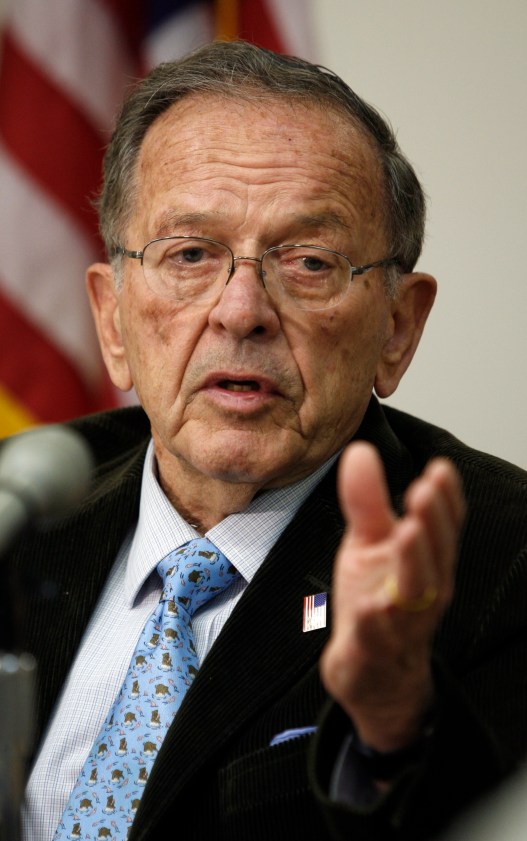
Alaska’s disproportionate share of subsidies is traced back to Sen. Ted Stevens, influential in passing the 1996 Telecommunications Act. He ensured that Alaskan companies got special consideration for federal funding.
This has led to a system where subsidies are distributed based on outdated goals. Attempts to reform the system encountered political pushback.
Issues of Compliance and Financial Discrepancies
Summit’s filings show expenditures often tied to transactions between the company and Shoffstall. Most of the company’s revenue comes not from customers, but from subsidies and telecom industry payments.
Shoes with Shoffstall’s criminal record, similar cases have faced FCC scrutiny before. Yet, his company continues to gather substantial funds annually.
Rethinking Subsidy Distribution
Experts argue for a shift towards direct subsidies to consumers, allowing them to choose their providers. This approach could potentially include satellite providers, offering competitive speeds and prices.
Such a change could address the fundamental issue of access and stimulate competition, improving services for remote communities.