
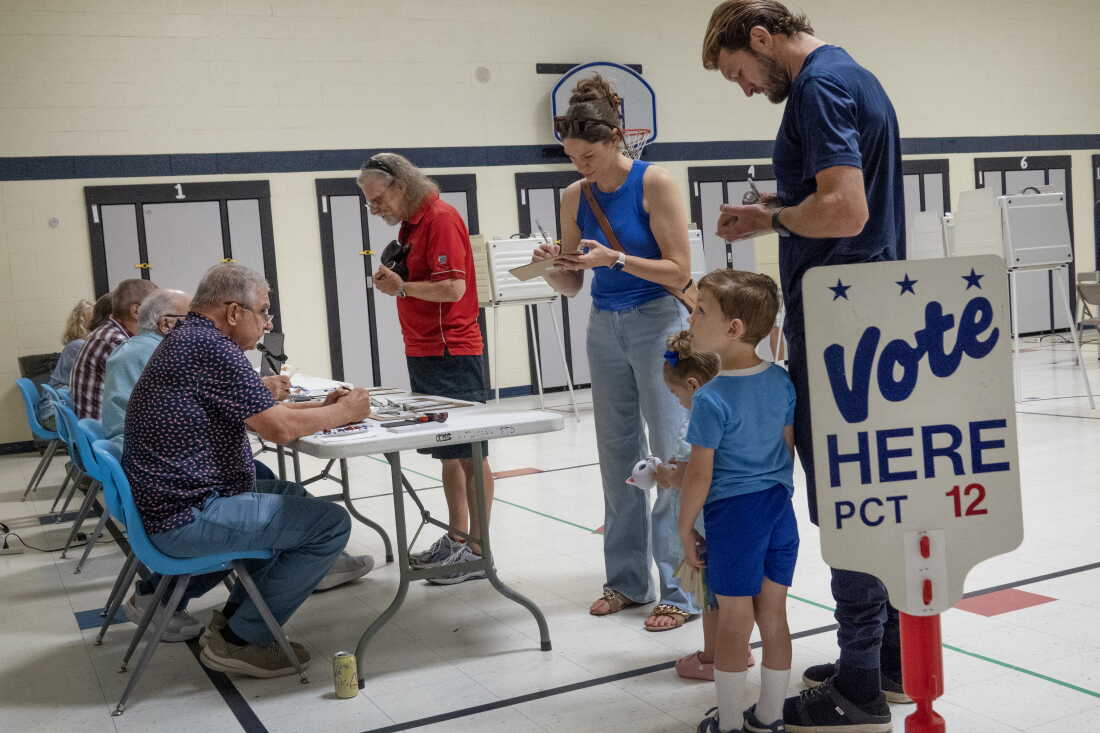
Voters recently gathered at a polling place in Shelby, Michigan. Historically, creating a comprehensive list of American citizens is unprecedented. Managing voter lists has always been the responsibility of individual states, as mandated by the Constitution. It clearly states that states have control over elections.
The current administration is moving forward with an unusual and undefined project. It aims to assemble state-by-state lists of individuals deemed eligible citizens over 18, allowing them to vote in the upcoming midterm elections. Mysteriously, the ambitious plan failed to meet its own deadline for publishing this data through an online portal, initially set for 60 days before Election Day.
Department of Justice attorneys communicated to opposing counsel in two lawsuits that they would provide a 48-hour notice to plaintiffs before launching the citizenship portal, rather than meeting the set deadline. This follows court filings indicating such plans. While the creation of a comprehensive citizens list was never attempted before, President Trump has sought executive control, particularly in elections.
The executive order supporting this move was signed by Trump on March 31. Initially, a lower court blocked its key elements in 23 states plus Washington, D.C. However, the Supreme Court later stayed this injunction, allowing the implementation of the plan.
The order instructed U.S. Citizenship and Immigration Services and the Social Security Administration to prepare “State Citizenship Lists” identifying likely citizens in each state, directing them to send these list details to state officials at least 60 days before each federal election.
The executive order’s next section emphasizes that the U.S. attorney general will focus on investigating and prosecuting officials who issue federal ballots to unauthorized individuals. Jules Torti from Protect Democracy expressed concern. He noted, “The lists may be inaccurate, risking significant disenfranchisement. States might also face pressure to use these lists to avoid federal scrutiny.”
The Electronic Privacy Information Center (EPIC) joined individual voters, pushing for a federal judge in Maryland to stop the administration from creating and sharing these lists online. The motion questions a June 8 memo authored by USCIS director Joseph Edlow outlining the plan. Protect Democracy and Citizens for Responsibility and Ethics in Washington argue this plan breaches several federal laws, including the Privacy Act, Social Security Act, and Administrative Procedures Act.
The Privacy Act demands agencies provide 30 days notice, allowing public feedback when personal data is used for new purposes. The EPIC lawsuit argues the administration lacks accurate data on U.S. citizens, especially those who frequently move, change names, or are foreign-born. For instance, Social Security’s citizenship data, which often remains outdated, especially for those who have naturalized.
Torti noted that the administration’s commitment to creating citizenship lists, especially closer to Election Day without the initial deadline, adds “chaos and confusion” for officials and voters alike. This scenario risks disrupting the electoral process. The Department of Justice and Homeland Security, responsible for compiling the lists, did not respond to NPR’s requests for comments.
The June 8 memo planned for the portal to be accessible by June’s end, with another for citizens to verify their details at a later time. Yet, these deadlines passed without updates. Although the government secured a domain for the state portal, it briefly went live only displaying “Coming Soon,” as court filings reveal.
Lawyers supporting Democratic groups challenged the March disclosure order, demanding more details about the administration’s intent to use this citizenship portal. Recent filings urged the court to prompt the government for immediate updates. Simultaneously, Homeland Security has increased efforts to analyze voter rolls, aiming to identify noncitizens registered and planning to vote. Past audits show noncitizen voting is rare.
Recently, ICE requested information on vendors capable of compiling public voter rolls from all states, Washington, D.C., and territories to support Homeland Security Investigations’ fraud detection efforts. NPR’s Hansi Lo Wang contributed to this analysis.