
The Complexities of U.S. Deportations to Third Countries
Nearly one million individuals faced deportation from the U.S. during the first year and a half of President Trump’s second term. Most were sent back to their home countries, but around 25,000 were sent to “third countries” – nations not their own or the U.S. These deportations, though legally permissible, occurred on an unprecedented scale.
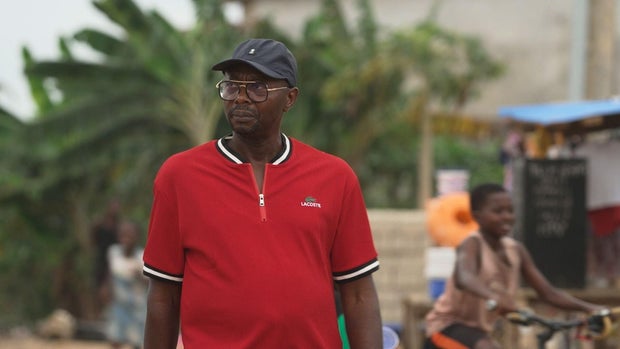
A five-month investigation revealed individuals placed in countries where U.S. judges determined risks of persecution or torture were high. Among those affected was Moussa Diawara, who resided in the U.S. for 25 years without a criminal record. Deportation protection he held due to risks in his home country, Mali, was overlooked as he was sent to Ghana.
Moussa Diawara’s Case
On a night shift return home in Houston, Diawara encountered ICE agents awaiting him. After three weeks in detention, without lawyer access, he was deported to West Africa. We connected with him two months later, displaced and homeless in Mali. Risk was amplified by his conversion to Christianity, a serious concern in Muslim-majority Mali.
Third Country Deportations: U.S. Policy and Legal Concerns
The Trump administration’s approach marked a shift, involving agreements with other nations to accept deportees in exchange for U.S. aid. Instances like Diawara’s, where deportees were quickly moved to prohibited countries, raise serious legal questions. When reaching other individuals on Diawara’s flight, many reported being unwillingly sent back to their home countries despite risks.
Moussa Diawara: For me, America was everything. I called America my home.
The DHS maintained safety assurances existed. However, legal and humanitarian questions emerged from these deportations. An appeals court ruling found such policies unlawful due to due process denial, yet deportations continue pending Supreme Court hearings.
Impacts on Families and Legal Proceedings
Diawara’s deportation left his Texas-based family in turmoil. His wife Barbara, a nurse, and their children, Corey and Chloe, expressed distress over their loss. The ongoing legal battle aims to reunite them.
A statement from DHS aimed to clarify procedural elements, acknowledging deportee complaints but sustaining their method aligned with safety goals. Still, questions about treatment and consent are yet to be fully addressed.
With multiple deportees affected by similar circumstances, the case represents broader systemic issues within U.S. immigration practices.
Produced by a team dedicated to unveiling these complexities, the article intends to prompt further scrutiny and action on current immigration policies.