
In 1913, Antonino Alati departed southern Italy in search of a better life. Like many Italian immigrants, he faced negative perceptions in the United States, where Italians were often labeled as poor, unclean, and unwilling to assimilate. Politicians sought to limit their entry, citing Italians as less intelligent than previous immigrant waves. Despite these challenges, Alati emigrated to the U.S., sending for his wife and children, including his infant son Salvatore.
Changing their name from Alati to Alito, the family saw Salvatore become Samuel. The next generation achieved significant recognition with Samuel A. Alito Jr. serving as a U.S. Supreme Court justice, the second Italian American to hold such a position after Antonin Scalia. During his confirmation hearings in 2005, Alito emphasized his father’s perseverance, which led to a better life for his family in America. By that time, Italian Americans had become integral to American culture, contributing to music, politics, and cuisine.
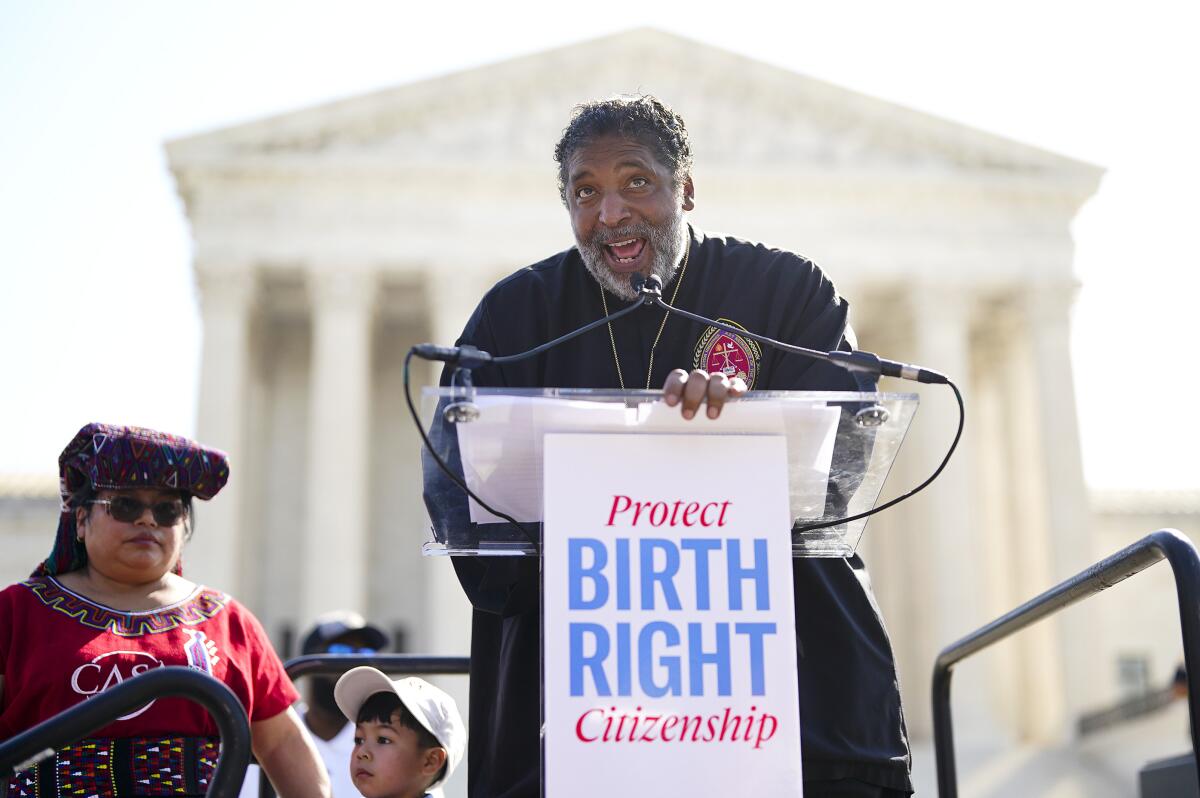
Samuel Alito’s dissent in a Supreme Court decision rejecting the termination of birthright citizenship illustrates a departure from the immigrant experience of his forebears. Alito’s dissent invokes strong language to describe the perceived impact of undocumented immigrants, echoing past prejudices against Italians. He questions the loyalties of U.S.-born children of immigrant parents, reminiscent of challenges faced by Italian Americans concerning their religion and patriotism.
Alito’s argument includes an unproven claim that fraudulent practices allowed many agricultural workers to gain citizenship after President Reagan’s 1986 amnesty. These accusations parallel historic criticisms of Italians seeking naturalization. His dissent stands in contrast to other Catholic justices, who supported the majority decision upholding birthright citizenship.
As some families forget their migration narratives, they may adopt positions against immigration policies that once benefited them. Alito’s stance against birthright citizenship highlights this shift. Despite agreeing that individuals born to undocumented parents possess a moral claim to remain, he criticizes birth tourism, where foreign nationals exploit American generosity without contributing.
Alito’s critique extends to President Trump’s attempt to eliminate birthright citizenship via executive order. He views this effort as a constitutional misstep driven by bias, rather than legal soundness. Fortunately, the attempt failed, preserving the 14th Amendment’s promise.
Alito warns that upholding birthright citizenship might harm the country’s future. However, historical evidence suggests fears about new immigrants are frequently unfounded, as exemplified by the successes of both the Alito and other immigrant families. In the U.S., descendants of once-demonized groups can paradoxically align with opinions that echo past discrimination.
This voting record reflects a departure from shared immigrant aspirations, aligning instead with those who opposed immigrant inclusion originally. This serves as a reminder of the ongoing dialogue and struggles surrounding immigration policy in America.