
As election night approaches, viewers of “The Five” on Fox News Channel, a popular show where I share my perspectives as a Democrat, might notice my anticipation for Democrats achieving significant victories nationwide. Polls suggest we might flip the House and potentially the Senate. Yet, past disappointments keep me cautious until the actual results come in.
Being a Democrat doesn’t mean agreeing with everything within the party. Sometimes the far-left goes too far, creating an exclusionary atmosphere for moderates like myself. A prime example is the content presented by far-left Twitch streamer Hasan Piker regarding Marxism and China, views I fundamentally reject.
Two significant events illustrate my evolving viewpoint in recent years. First, the COVID-19 pandemic. While I respect Dr. Anthony Fauci for his long service, I felt mask mandates extended excessively. In a podcast interview with conservative co-host Greg Gutfeld, we discussed his frustration with governmental overreach, reflecting a sentiment that government directives had become overbearing.
The second example is the Jussie Smollett case from 2019, a time when societal tensions were less pronounced. Initially defending Smollett, I allowed bias to overshadow judgment, ignoring early skepticism surrounding his claims.
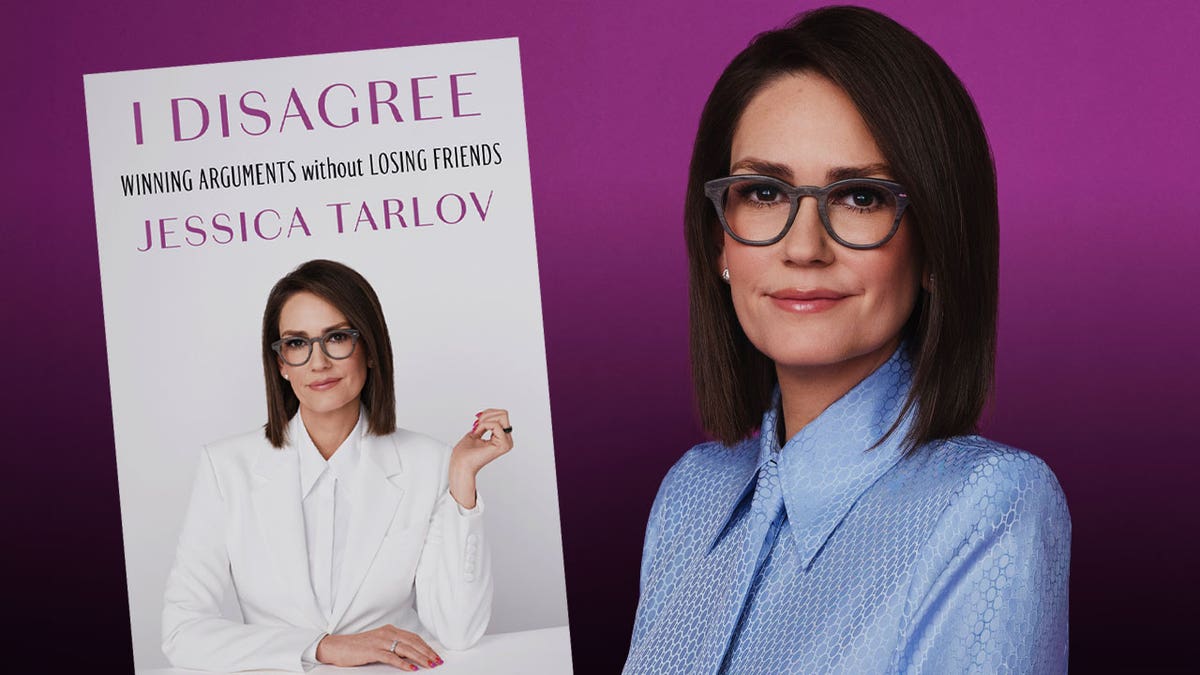
“We must improve our ability to admit mistakes. Without that, we hinder meaningful discourse and relationships,” I emphasize in my new book, “I Disagree.”
The art of conversation is underpinned by substantial data and science. Recognizing this is crucial for engaging debates and building meaningful connections. Often, when confronting opposing facts, people’s defensive behavior is not out of ignorance. Instead, their brains instinctively shield them from discomfort, a phenomenon called “motivated reasoning.” This results in what sociologists term “cognitive armor,” an automatic compensation mechanism that filters reality.
Research from the University of Southern California reveals that when voters encounter statements opposing their beliefs, brain regions associated with physical pain activate. Sifting through news today is taxing, compounded by the infiltration of misinformation.
The 2025 film “Eddington” illustrates divisions magnified by COVID. Set during a mayoral election in New Mexico, it stars Joaquin Phoenix as a sheriff resisting mask mandates while Pedro Pascal’s character enforces them. This scenario underscores the ideological splits that plague communities, turning civics into a battleground.
The character’s skepticism about institutional authority in “Eddington” mirrors real-world divisions, illustrating the fragility of social bonds. While exaggerated for cinematic effect, the message resonates: fractured relationships are difficult to mend.
Greg Gutfeld persuaded me to view “Eddington,” paralleling societal debate dynamics. The resistance to pandemic measures mirrors other areas of societal compulsion, like pronouns. These issues often polarize society into binary camps.
Our discussions highlighted differing personal experiences; his view of mandates as infringements contrasted with my family’s health challenges during the pandemic. This reflects the ongoing debate about COVID responses and lingering questions on necessary precautions versus rights violations.
The Smollett incident underscores the need to confront biases. Initially supporting him, my perception was later challenged as the hoax revealed itself. The lesson is to approach debates factually, without prejudice.
Engaging with contrary opinions now drives my understanding, reinforcing Greg’s analogy of “testing ideas against resistance,” akin to lifting weights. This dynamic nurtures profound insights and promotes shared realities, essential for societal cohesion.
Excerpt from “I DISAGREE: Winning Arguments Without Losing Friends” by Jessica Tarlov. © 2026 by 19 Jay LLC. Available with permission from Random House.