
Religious Liberty and George Washington’s Legacy
As the United States celebrates its 250th anniversary, speeches on freedom and religious liberty abound. George Washington’s 1790 letter to the Hebrew Congregation of Newport, Rhode Island stands out. He promised that the nation would “give to bigotry no sanction, to persecution no assistance.” It’s pertinent to assess how well America upholds this ideal today.
Security at Places of Worship
I recently attended Friday prayers at a mosque in Los Angeles. Five armed guards were present as over a thousand worshippers gathered. This security presence felt routine. A prior visit with my daughter led to her photographing a guard with a bulletproof vest and what appeared to be a semiautomatic rifle. Her question, “Is this normal?” lingered. Unfortunately, the answer is yes, and that is troubling.
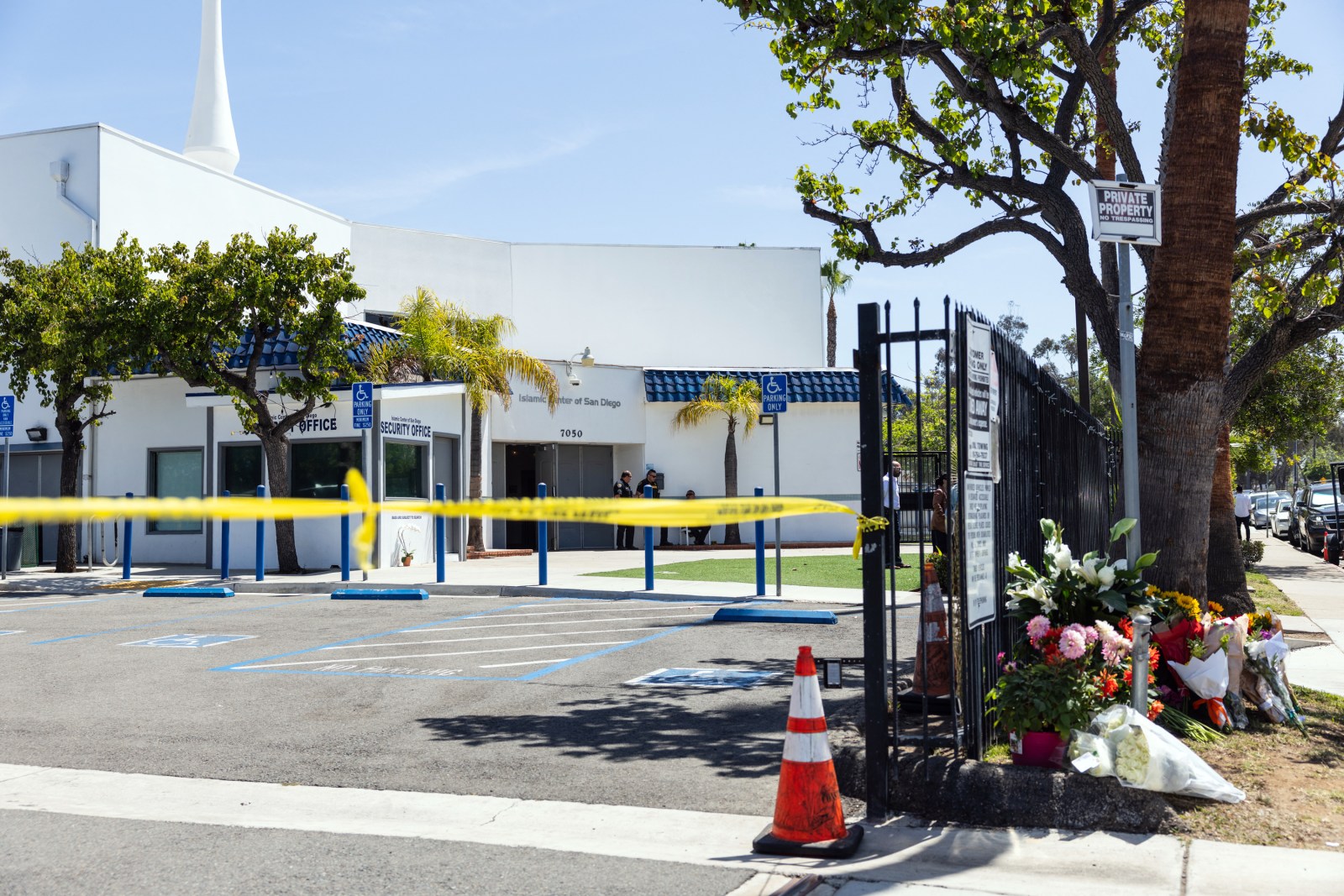
The recent attack on the Islamic Center of San Diego left three individuals dead, including a security guard. More than 130 children were present that day. The Center for Strategic and International Studies calls this the first ideologically motivated lethal attack on a U.S. mosque this century. It marks a grim milestone, reflecting the severe threats faced by houses of worship.
Preparedness and Challenges Across Faiths
The Islamic Center had federal and state security measures, yet tragedy struck. These precautions, such as surveillance cameras and trained personnel, may have mitigated greater loss. However, extraordinary security measures are now routine across American houses of worship.
This issue is not unique to Muslims. Jewish, Christian, Sikh, Hindu, and other communities face similar threats. The question is how do places of worship remain welcoming while ensuring safety?
Security costs are significant. Each dollar spent on security detracts from funding for education or community programs. After the San Diego attack, contributions for security instead of services are increasingly common, highlighting this concern.
The Rising Threat and Necessary Reflection
Attacks on Muslims have increased elevenfold, says the Muslim Public Affairs Council. At UC Berkeley’s Othering and Belonging Institute, more than 80% of anti-Muslim incidents go unreported. Fear shows in parents worried about children’s safety and worshippers cautious about their surroundings.
The Council on American-Islamic Relations in California questions if Muslim institutions receive fair security grants. The larger concern is why security needs are rising for religious institutions.
Since 9/11, American Muslims face heightened scrutiny. Mosques experience surveillance, vandalism, and threats. Anti-Muslim rhetoric becomes mainstream, influencing perceptions and fostering environments where fear grows.
Reflecting on America’s Religious Freedom
The deadly San Diego attack highlights America’s struggle with religious freedom. Observing the nation’s achievements is essential, yet reflection is crucial. Protecting religious liberty impacts all faith communities.
As Washington’s legacy reminds us, the challenge isn’t merely security measures, but why they’re necessary. Celebrating anniversaries prompts consideration of how the country protects religious freedom, aligning with the promise to support its realization.
Faisal Kutty, a law professor at Southwestern Law School, presents these reflections. He is also affiliated with the Rutgers Center for Security, Race and Rights and contributes to the Washington Report on Middle East Affairs.
The views expressed are the author’s own.