
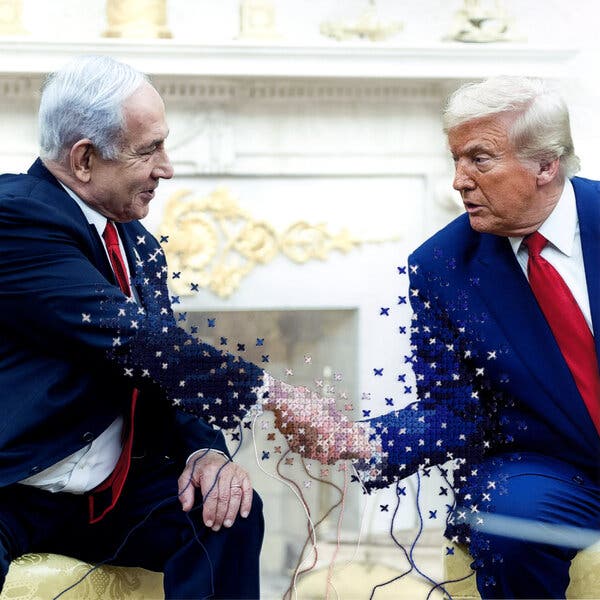
After the October 7, 2023 attack by Hamas, Israel found itself vulnerable. The country’s leaders, including Prime Minister Benjamin Netanyahu, sought to project strength by setting high goals of invincibility. Netanyahu’s approach involved a campaign that severely impacted Gaza. He also directed military actions towards Hezbollah in Lebanon, Houthis in Yemen, and Iran.
The Netanyahu administration pushed for unrestrained warfare as its key objective. For Israelis, supporting this was synonymous with being pro-Israel, and questioning it was frowned upon.
This context explains why some Israelis expressed shock over a reported rift with the Trump administration. Instances include President Trump’s leaked comments about Netanyahu, criticizing Israel’s actions in Lebanon and calling him “crazy.” Vice President JD Vance also suggested to dampen Israel’s assertive military policies.
Though Netanyahu has not openly shown discontent, his supporters, particularly in Israeli media, have not held back. A far-right TV host, Yinon Magal, had strong words for Vance and derogatorily referred to Trump’s envoys. Another ally of Netanyahu mentioned being “in shock” about Trump’s deal with Iran.
A poll after the U.S.-Iranian agreement showed a notable decline in Trump’s popularity in Israel. While a complete fracture in U.S.-Israeli relations hasn’t occurred, the bond is evidently strained. Israel’s dominance in regional politics, supported by the U.S., faces uncertainty.
The fissure became clearer with Vice President Vance’s remarks. He advised Israel to reconsider its stance on solving security issues through military means. During a press briefing, he emphasized the importance of allied support, cautioning Israeli leaders against alienating the U.S.