
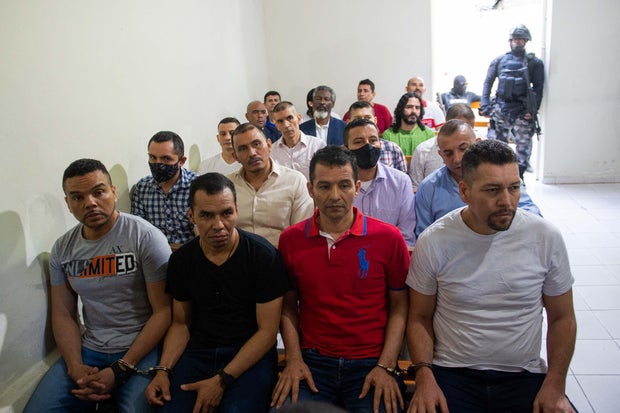
Eighteen individuals arrested in connection with the assassination of Haitian President Jovenel Moïse in July 2021 were awaiting extradition to the U.S., concluding a prolonged judicial process in Haiti. This assassination had greatly impacted the Caribbean nation. The suspects will stand trial in Florida, according to U.S. Attorney for the Southern District of Florida, Reding Quiñones.
Quiñones remarked, “Today marks the next major phase in our pursuit of accountability for the assassination of President Jovenel Moïse.” He emphasized the ongoing efforts to trace the evidence to anyone involved in the planning, funding, or execution of the crime. Five years after the incident, the push to bring defendants before American courts continues.
While Quiñones did not specify the identities of the suspects, the group still in Haiti includes over a dozen Colombian soldiers and a former Haitian government official. During a hearing at the Court of Appeals in Port-au-Prince in January 2025, the Colombian suspects were seen in handcuffs.
Quiñones noted that 30 individuals had been charged in connection with Moïse’s murder. FBI Special Agent in Charge Brett Skiles highlighted multiple arrests made both in the U.S. and internationally. He assured that authorities are committed to holding everyone accountable who allegedly profited from the killing of a state leader.
The extradition coincides with ongoing U.S. prosecutions and sentencing of various other suspects involved in the case. A jury in Florida convicted four men in May, with at least five pleading guilty and currently serving life sentences. Those convicted include Arcángel Pretel Ortiz, Antonio Intriago, Walter Veintemilla, and James Solages, all of whom had initially declared innocence. Prosecutors argued these men played pivotal roles in planning the assassination, and the jury concluded they conspired to kill or abduct Haiti’s leader, also offering material support for the scheme.
Martine Moïse, the former first lady, sustained injuries during the assassination. In March, she provided graphic and emotional testimony in Miami federal court about the attack at their Petionville residence. She accused then-President Michel Martelly and former Prime Minister Ariel Henry of having ties to the murder. In 2024, a judge in Haiti indicted Martine Moïse on charges of complicity and criminal association. Her lawyer dismissed the allegations as “ridiculous and unjust.”