
In December 2023, Chicago faced a migrant crisis as busloads arrived from Texas, overwhelming local capacity to shelter them. Overflowing temporary city shelters led to tent camps lining sidewalks near police stations. Residents and politicians were concerned about hundreds of migrants, primarily asylum seekers, stranded in a new city during harsh Midwest winter.
These migrants sought permanent residence away from violence and hunger, having completed paperwork in Texas. In Oak Park, many found support at the Oak Park Migrant Ministry housed in a former Catholic school, providing meals, clothing, and translation help. Celine Woznica remembers the initial waves in late 2022, as ministry volunteers offered emergency aid like clothes, tents, and mattresses.
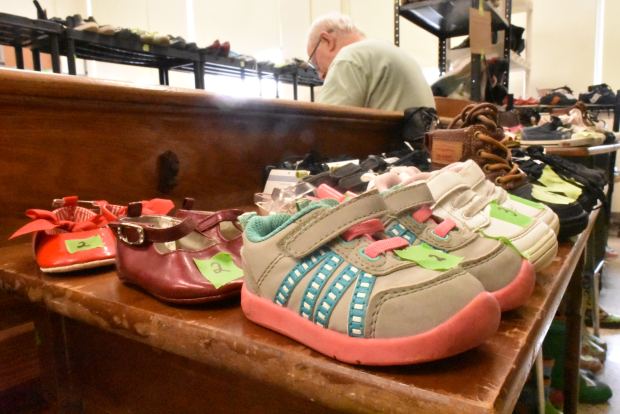
The St. Catherine’s-St. Lucy rectory became a hub for essentials like showers, clothing, and suitcases. Woznica noted the vast supply overflowed into the church. Volunteers arranged donated items for distribution each week, ensuring migrants received necessary support.
The ministry operates efficiently now, with rooms stocked like free stores offering bedding, clothing, and toiletries. Migrants receive folders of emergency services, including custody documents for their children should parents be detained. Amid fears, many parents rely on faith, hesitant to appoint custodians.
“God will never abandon you, but you need to do what you need to do,” Rev. Carl Morello advises.
Migrants like Angel Suarez—awaiting his November court date—hope to stay permanently. A Venezuelan immigrant, Suarez believes in showing he deserves residency, despite lacking legal representation. As he works delivery jobs, he aims for stable employment, clinging to the possibility of a legal path.
Cynthia Brito, an advocate, observed many migrants work tirelessly under unstable status. Fear of deportation drives them to save money, despite uncertainty. Recent immigration law changes add complexity, as the Supreme Court’s decision affected temporary protected status for Venezuelans amid crises in their home country.
Suarez expresses both hope and worry, reflecting on Venezuela’s struggles and the uncertainty he faces. Mega-master hearings have accelerated cases but overwhelmed the system, leaving migrants like Suarez on edge.
Brito describes chaotic court conditions, where many lack legal counsel or translators. The crowded atmosphere and treatment from authorities contribute to confusion and fear. Outside courtrooms, families fear arrest which could mean missing hearings or months in detention.
Migrants consider return due to overwhelming anxiety. The journey to the U.S. was perilous, across disease-ridden, dangerous paths, with Suarez recounting harrowing experiences. As his court date approaches, the value of the journey remains uncertain.