
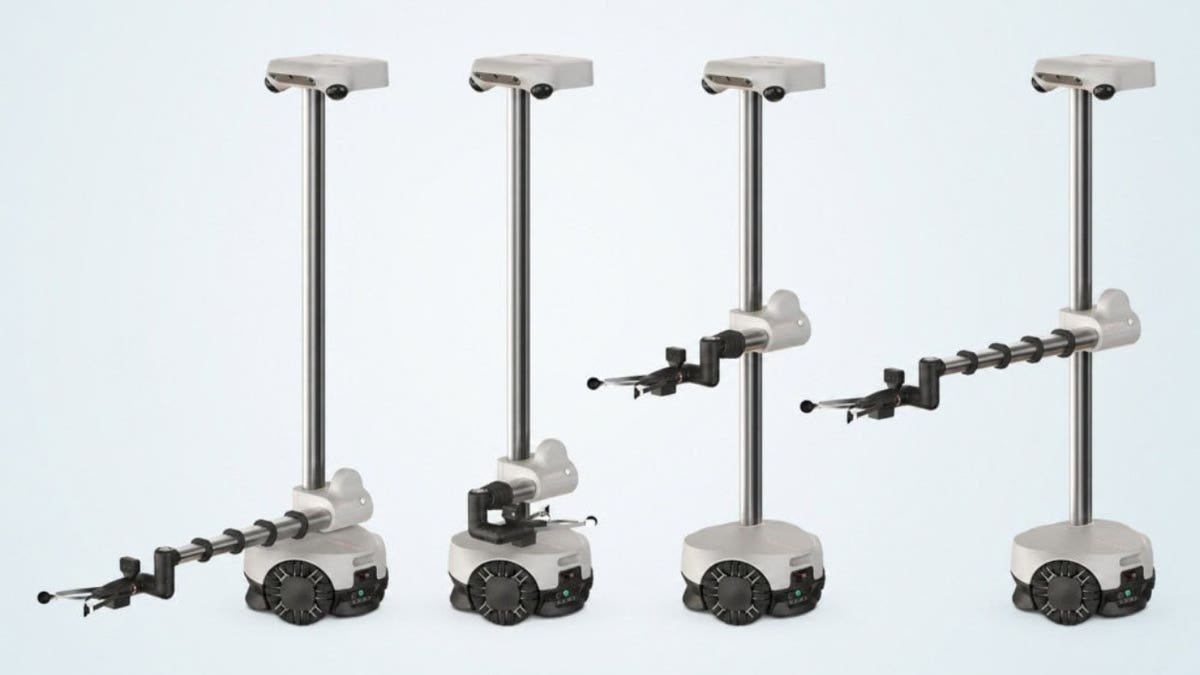
A new wheeled robot, called Stretch 4 by Hello Robot, offers practical help at home before humanoid robots are widely available. Unlike human-shaped robots, Stretch 4 focuses on functionality over form, using wheels for mobility inside homes filled with rugs, cords, and narrow spaces.
The Design and Purpose of Stretch 4
Stretch 4 is designed to assist indoors, featuring a wheeled base, lifting column, and extendable arm to reach various heights. Its design prioritizes safety and practical assistance, making it a realistic choice for home use. Though currently aimed at research, future plans include home pilot deployments to test its capabilities in real-life settings.
Why Wheels Over Legs?
While humanoid robots gain attention for their human-like appearance, their legs introduce balance and complexity challenges. In contrast, wheels are more suited for real environments, inspired by powered wheelchairs. This design fits homes already adapted for people with mobility aids, supporting smoother and safer navigation.
Navigation and Control
Stretch 4 features an omnidirectional base, allowing it to move in any direction without turning, crucial in tight spaces. Developed from wheelchair technology, this base enhances maneuverability around furniture and obstacles. The robot also uses advanced sensors, including lidar and depth cameras, to better understand and navigate its surroundings.
Human Control and Safety
Despite autonomous capabilities, Stretch 4 involves human oversight, ensuring safer operations. This is vital for home environments that are unpredictable and cluttered. Safety features such as force limiting and collision avoidance further enhance its reliability, crucial for vulnerable users like older adults.
Potential Impact on Users
Stretch 4 could significantly aid those with severe mobility impairments by performing tasks like picking up items or reaching shelves. This utility was demonstrated by testing with paralyzed user Henry Evans, showing how a wheeled design can provide substantial assistance.
Cost and Availability
The robot costs $29,950, initially targeting researchers and organizations interested in pilot programs. While not yet aimed at general consumers, these early trials hope to refine the system for broader home use.
The Bigger Picture
Stretch 4 illustrates that the first truly helpful home robots may prioritize practicality over humanoid aesthetics. By focusing on real tasks like moving items safely, it supports independence for those with limited mobility. This approach might set new standards for home assistive robots, emphasizing functionality over appearance.