
An Alliance to Counter China’s Influence
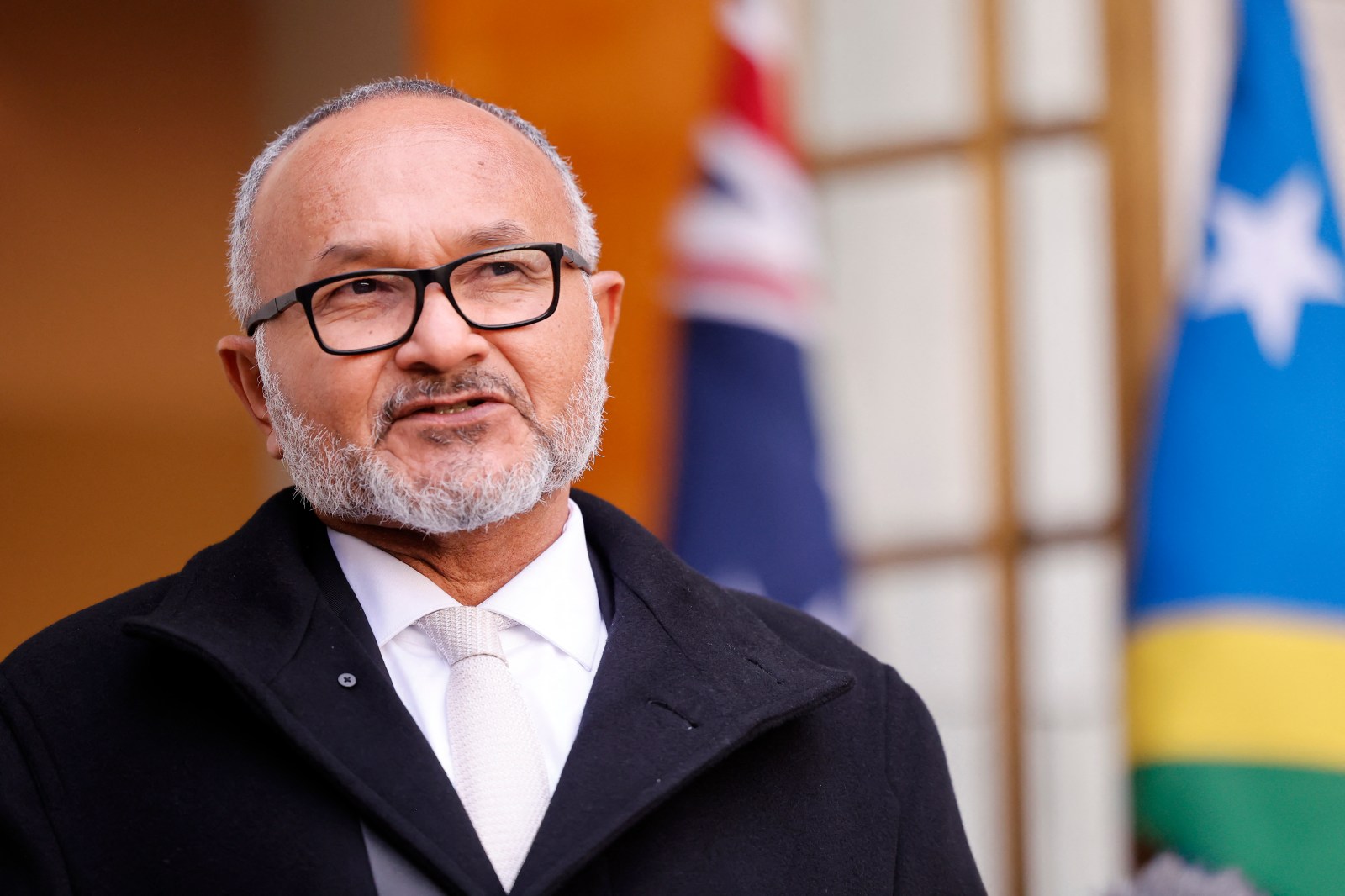
A new treaty between Australia and the Solomon Islands aims to counter China’s influence in the South Pacific. Australia’s commitment involves investing at least $980 million Australian dollars (over U.S. $700 million) in the Solomon Islands’ economy and politics. This move follows separate security agreements that Australia signed with Vanuatu and Fiji, which also pivoted away from China. China had previously invested significant aid in these nations.
Checkbook Diplomacy
Both China and the U.S. understand the power of financial diplomacy. While democratic values are important, economic aid often has greater influence on smaller nations. The U.S. has historically employed similar tactics, as seen with the “compacts of free association” treaties with Micronesia, the Marshall Islands, and Palau in exchange for economic support.
Economic Support in Global Competition
In 2024, the U.S. Congress passed $7.1 billion in funding through 2043 for its strategic position in the South Pacific amid global competition with China. China, meanwhile, capitalizes on regions where Western countries show less interest.
China’s Investment in the Pacific
Since 2008, China has invested heavily in the Pacific islands, committing $7.5 billion and spending at least $5 billion on development aid. China’s Belt and Road Initiative has funded infrastructure in countries like Vanuatu and Fiji. Australia’s recent fiscal commitments have been seen as steps to counter China’s influence, with cooperation among Western nations praised.
U.S. Proactive Moves
The U.S. adopts a similar strategy in other regions. American investment in Armenia and Azerbaijan aims to counter Russian and Iranian influences. Likewise, strategic cooperation with New Zealand targets Chinese access to critical minerals in the Cook Islands.
Challenges and Opportunities
In 2022, Solomon Islands’ former leadership surprised the West by signing a security agreement with China. Yet, recent changes indicate a shift. Prime Minister Matthew Wale has expressed skepticism about China’s reliability. This presents a window for Western nations to regain influence.
Despite reduced demand for Chinese loans due to debt concerns, and China’s fiscal constraints, Chinese state-owned enterprises still play a major role in Pacific infrastructure. China remains a significant player in the region, affecting future dynamics.