
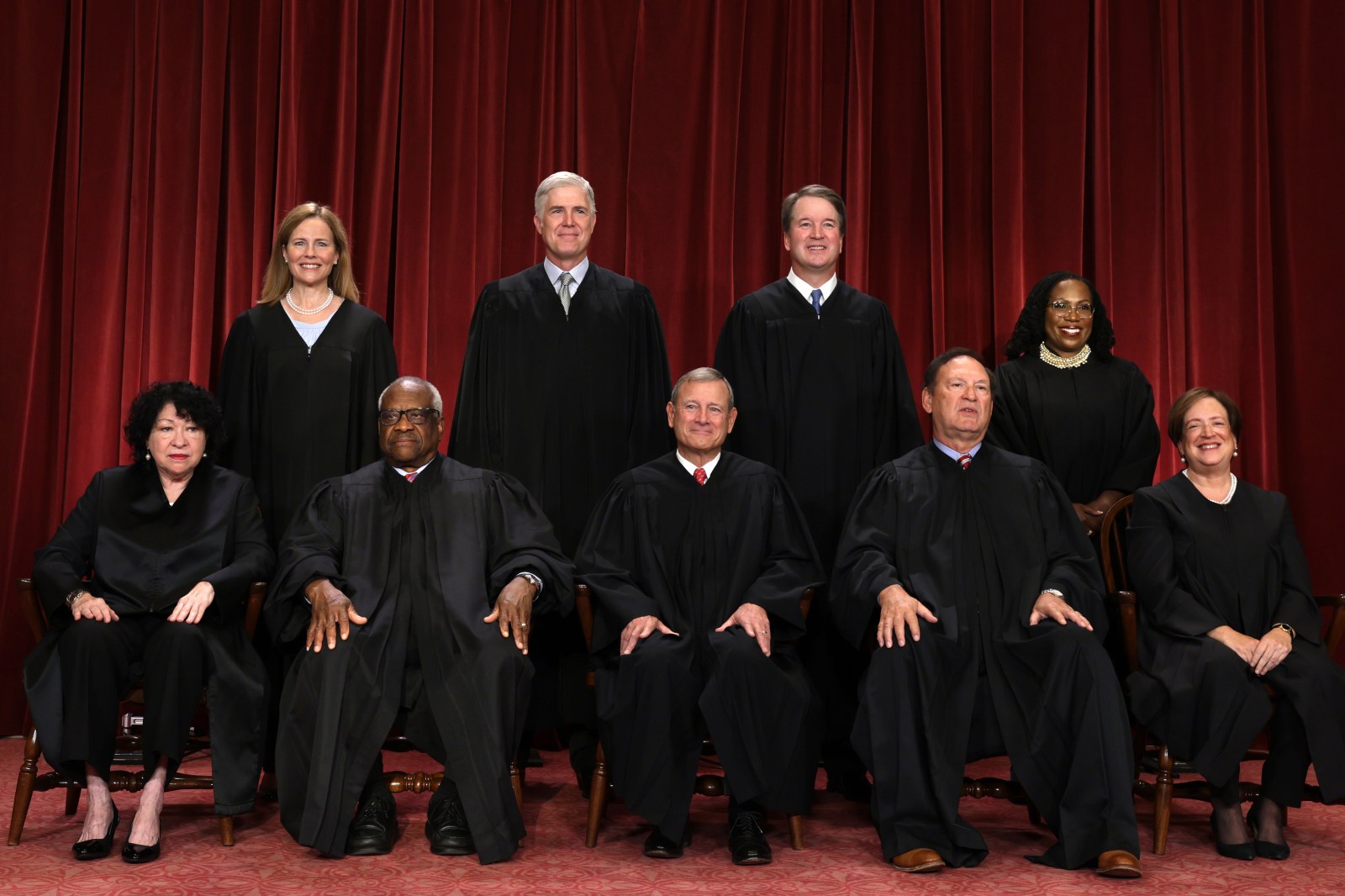
The U.S. Supreme Court starts its new term this week. The justices will decide on cases with significant implications for the Second Amendment, voting rights, and climate change lawsuits. These rulings will address contentious political issues over the coming year.
Trust in the court is waning. Some polls indicate that Americans see it as increasingly political. During the most recent term, the court dealt with important legal questions related to President Donald Trump’s agenda. This included decisions on tariffs and birthright citizenship, as well as voting rights and transgender athletes.
The court plans to hear about 29 cases this term. More may be added in the coming weeks, making the docket still incomplete. Here is an examination of three key cases the court will address:
Voting Rights: Republican National Committee v. Mi Familia Vota
This case challenges Arizona election laws. They require voter registration applicants to provide evidence of citizenship and authorize the removal of non-citizens from voter rolls. The Ninth Circuit Court of Appeals previously ruled that federal law preempts these state laws. Petitioners, including the Republican National Committee (RNC), seek relief from the Supreme Court, arguing the Ninth Circuit erred.
The court will consider whether the National Voter Registration Act or federal decrees prevent Arizona from enforcing these laws. Paul Collins, a professor at the University of Massachusetts Amherst, noted the court’s conservative majority may support policies that challenge voting access. This could potentially undermine democratic processes.
Second Amendment: Viramontes v. Cook County
In this case, the court will examine the rights to possess AR-15s under the 2nd and 14th Amendments. Petitioners challenge a Cook County ban on AR-15s, arguing they are in common use and should be protected by the Constitution.
Petitioners draw upon Justice Brett Kavanaugh’s views supporting the common use of AR-15s. However, Cook County argues they are weapons of war with no community place. Collins predicts the court might strike down the ban, favoring gun-rights advocates.
Climate Change Lawsuits: Suncor Energy v. Boulder County
This case concerns a lawsuit from Boulder against energy companies for contributing to climate change. Boulder seeks compensation for local damages from extreme weather caused by fossil fuel production.
The court will decide if federal law precludes state claims and if it has jurisdiction over the case. Justice Samuel Alito recused himself due to a conflict of interest. Collins thinks remaining conservative justices are likely to support energy companies, potentially impacting similar lawsuits nationwide.
Supreme Court Faces Low Trust Levels
A Gallup poll shows only 34 percent of Americans approve of the Supreme Court, with 61 percent disapproving. Approval varies widely by political affiliation, with Republicans generally more supportive than Democrats.
Paul Collins suggests these cases provide conservative justices a chance to adjust public perceptions. The court faces scrutiny as it addresses issues of gun violence, voting rights, and climate change.
Justices have acknowledged the declining trust. Justice Ketanji Brown Jackson has questioned the court’s emergency docket use, highlighting the importance of transparent processes.
Conservative Justice John Roberts emphasized careful precedent overturning. Misuse of the court’s emergency docket for swift decisions continues to be a point of contention.
Trump has voiced strong criticism of the court’s decisions that oppose his interests, revealing ongoing political tensions affecting public perceptions of the court.