
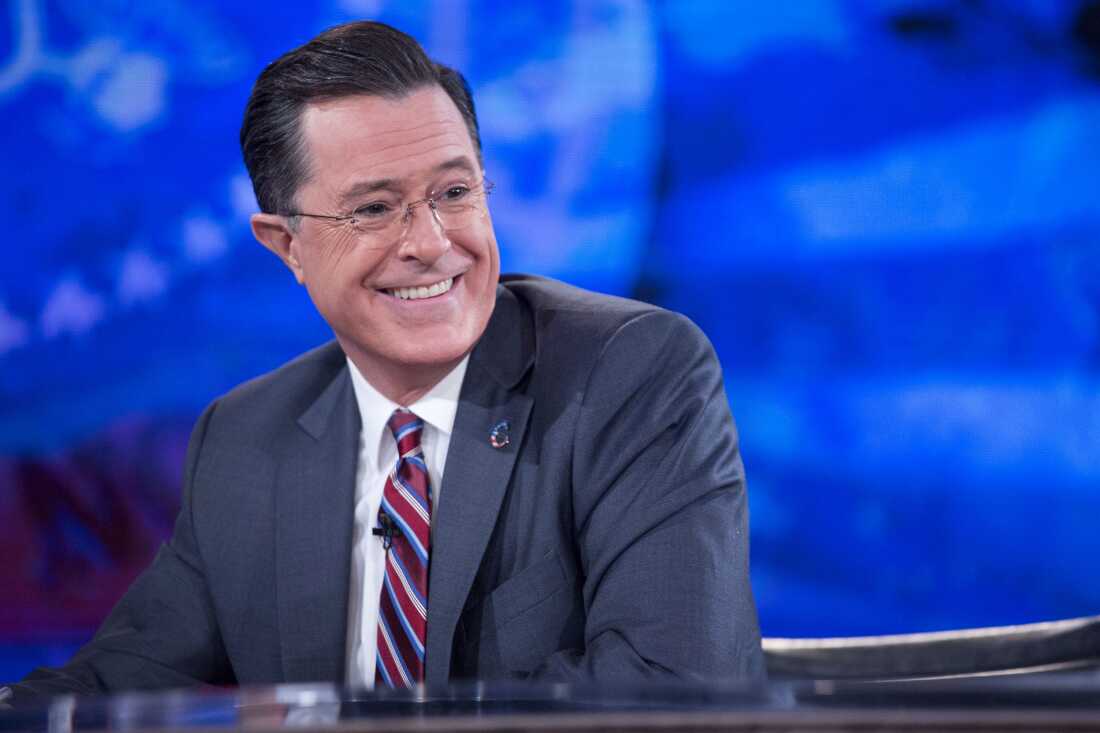
Over two decades and more than 3,000 episodes, Stephen Colbert carved a formidable legacy in television. His defining contribution lies in a single term: truthiness. He introduced this concept during the premiere of The Colbert Report, a spin-off from The Daily Show.
Colbert portrayed an exaggerated version of TV pundits, inspired by figures like Bill O’Reilly. He championed the belief in things that feel true, irrespective of facts. “I don’t trust books,” he joked. “They’re all facts and no heart.”
As The Late Show concludes after 11 years, some theorize CBS canceled it to silence a prominent critic of President Trump. Colbert consistently opposed truthiness. Roy Wood Jr., a former The Daily Show correspondent, highlights Colbert’s unwavering commitment to truth.
Stephen Colbert has shown the power of sticking to the truth,” Wood affirms. “He didn’t blink. This is the most sensitive administration we’ve faced as comedians. He stayed steadfast.
Former Daily Show contributor Hasan Minhaj notes Colbert’s evolution with his audience. Starting as a Daily Show correspondent, Colbert transformed from a character on The Colbert Report to revealing more of himself as The Late Show host.
A Sketch Comic Destined for Impact
Hailing from South Carolina, Colbert honed his skills at Second City in Chicago. He understudied for Steve Carell, leading to key roles in a sketch show with Dana Carvey in 1996. Joining The Daily Show allowed Colbert to develop his “high status idiot” persona, satirizing cable news pundits.
Minhaj recalls an email from Colbert outlining tips for political satire. “His field pieces became the benchmark for correspondent performances,” Minhaj shares, emphasizing Colbert’s commitment to satire.
Working with host Jon Stewart, Colbert and others focused on news-driven satire. In 2005, Colbert spun off his character in The Colbert Report, creating a memorable figure who testified in character before Congress and roasted President George W. Bush at a correspondents’ dinner.
Colbert’s character was perceived by some, like Tom DeLay, as genuine. Media analyst Bill Carter asserts, “His maximum impact came in The Colbert Report. He was most original, playing a character for nine years.”
Colbert used his platform to reflect on conservative punditry, especially on Fox News. “He’s always been trying to hold a mirror to the country,” Wood notes.
Transition to Network Television
When David Letterman retired from CBS’s The Late Show in 2015, Colbert stepped into the role. Facing the challenge of being himself on air, Colbert excelled by balancing satire with sincerity.
Initially hesitant to focus heavily on politics, Colbert found his footing by 2016. He embraced live shows and new production leadership, unveiling more of his personal side, including his Catholic faith and passion for The Lord of the Rings.
Critics debate whether political intensity impacted ratings. Carter argues modern audiences operate in information silos, complicating broad appeal. “This era’s late night hosts struggle to connect across political lines,” he observes.
The Future for Colbert
As The Late Show ends, speculation surrounds Colbert’s next steps. He’s working on a new Lord of the Rings project with his son but hasn’t detailed future plans.
Both Minhaj and Carter suggest a Broadway one-man show, integrating Colbert’s character work from The Colbert Report. “He can improvise, do comedy, and be sincere,” Minhaj reasons.
Colbert’s departure from CBS leaves a void in late night television, yet Carter predicts viewership shifts to Jimmy Kimmel’s show. Meanwhile, his comedic evolution may again redefine satire. In a world veering into absurdity, Colbert’s incisive voice underscores the ongoing need to challenge superficial truth.