
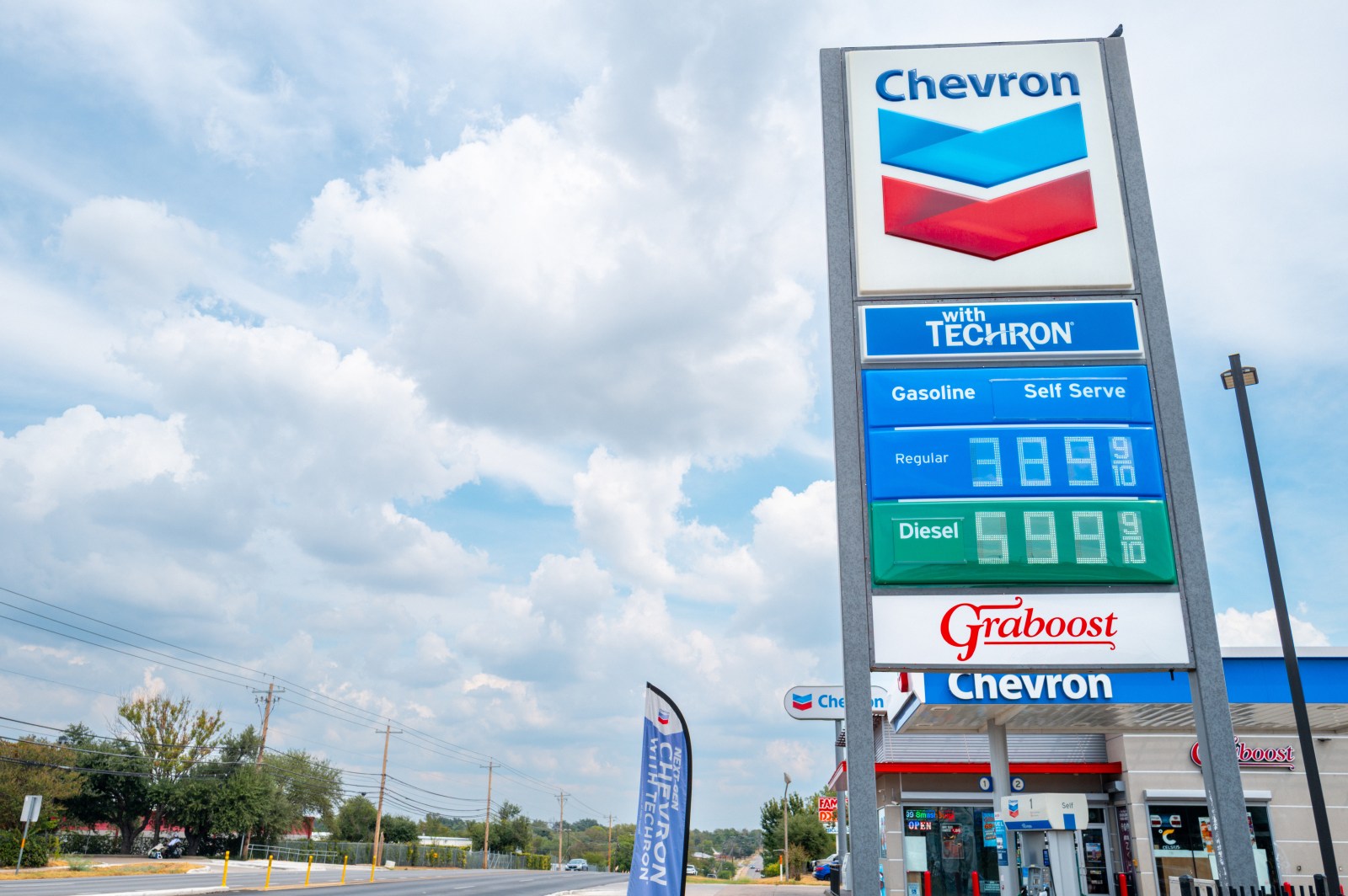
Multiple states are waiving fuel taxes and extending existing moratoria in response to increased costs caused by the Iran war. Households and the economy are feeling the impact. According to AAA, the national average for regular unleaded fuel is $4.41 per gallon as of Thursday, while diesel sits at $6.39. A year ago, these prices were $3.16 and $3.71, respectively. The Watson Institute of International and Public Affairs estimates that American households have incurred over $122 billion in additional fuel costs since the conflict began in late February.
Indiana Extends Fuel Tax Waiver
Indiana Governor Mike Braun, a Republican, announced he signed an order to extend the waiver on the state’s gas sales and excise taxes for another month. Braun first declared an “energy emergency” in April. This declaration, previously set to end on October 5, will now last through November 4. This extension includes relaxed rules around dyed diesel, providing relief to the agricultural and timber sectors.
“The added cost of fuel prices caused by continued disruptions to the global oil supply can make a major difference in farmers’ success,” he wrote on X. Newsweek has contacted Braun’s office for comment.
Gas Tax Suspensions Across States
Indiana’s gas prices currently average $3.81, up from $3.07 a year ago but lower than the state’s $5.24 record. Braun initially suspended the 7% gas sales tax in April and paused the 36-cent-per-gallon excise tax in May, resulting in a 61-cent reduction per gallon for drivers.
About a third of U.S. states pursued tax-related relief by October 1 due to the Iran war. Relief measures range from targeted exemptions to comprehensive tax breaks. Georgia was the first to suspend taxes after the war started on February 28. Republican Governor Brian Kemp extended the suspension through October 29, citing unstable global markets leading to price shocks.
Ohio lawmakers passed a 90-day pause on gas and diesel sales taxes with bipartisan support. Republican Governor Mike DeWine plans to sign the bill, although he previously warned of funding risks for the state’s transportation department.
Recently, governors in Alabama, Louisiana, and Texas pushed for targeted relief for farmers facing high diesel costs during peak harvest season.
Concerns Over Budget Impacts
Budget concerns surround these tax suspensions. New York’s Democratic Governor Kathy Hochul expressed skepticism, recounting minimal impacts from a previous tax suspension in 2022. Hochul argued for the federal government to suspend its 18.4-cent-per-gallon excise tax, blaming the rising costs on the Trump administration.
President Biden said in May he would suspend the federal gas tax “until it’s appropriate,” but the administration hasn’t acted. Bipartisan efforts in Congress remain stalled.
South Carolina Governor Henry McMaster, in mid-September, opposed suspending the state’s 28-cent-per-gallon gas tax due to the impact on road funding. He cited the long-term need for infrastructure projects.
Braun acknowledged Indiana’s tax pause removes significant revenue from the state. Despite delivering “over a billion dollars’ worth of savings” for drivers, he credited healthy state reserves for enabling this.
Contact Newsweek editors Ben Kelly and Cristina Diciu for more information on this story.