
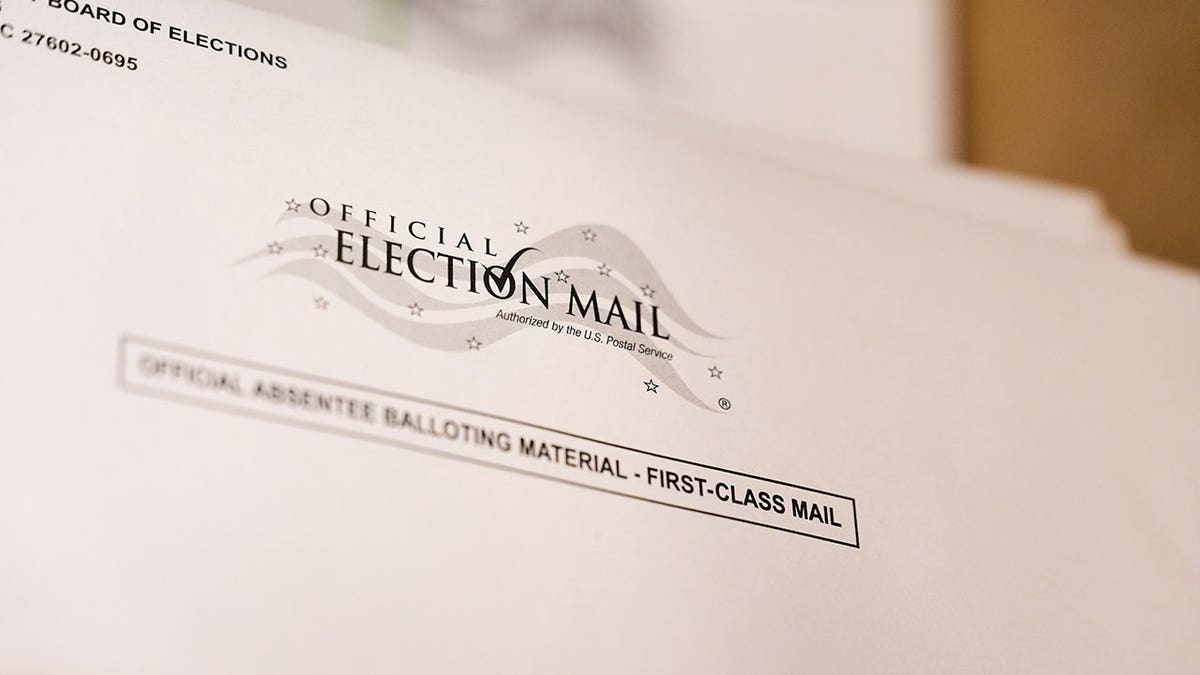
Legal disputes have intensified as 24 states and Washington, D.C., sue the United States Postal Service (USPS) over mail-in voting rules ahead of the midterm elections. Kerri Urbahn, a legal editor from Fox News, joined ‘Fox & Friends’ to provide insights into these lawsuits. The discussion focused on a Supreme Court decision and specific USPS rules requiring barcodes on mail-in ballots.
On Sunday, the Trump administration filed an appeal with the Supreme Court to enforce restrictions on mail ballots. As ballots start arriving across various states, this appeal aims to overturn a preliminary injunction issued by U.S. District Court Judge Indira Talwani. This injunction prevents the USPS from enforcing multiple requirements for mail-in ballots in the November elections.
“Ballots have already begun to be mailed in North Carolina, and more States will begin the mailing process as the injunction remains in place,” Solicitor General John Sauer wrote, emphasizing the impact of the injunction on the electoral process.
Sauer argued that keeping the injunction could cause “confusion and chaos” as states prepare to mail ballots. He emphasized that compliance with the Postal Service’s rules remains voluntary, creating potential inconsistencies. The administration views the rule as a lawful exercise of USPS’s authority to regulate mail, clarifying that it does not govern federal elections.
The rule mandates that federal election ballots sent through the mail must include certain features: the official Election Mail logo, specific automation requirements, and unique barcodes. It also requires state election officials to submit envelope designs for review and disclose information about ballot recipients. The intention is to enhance ballot mail handling and delivery, while also safeguarding against misuse of the mail system for voter fraud.
Critics, including Democratic-led states and voting rights advocates, argue that the changes are unconstitutional. They claim there’s insufficient time for election systems to adapt to the new rules before November. However, the administration rejects these concerns, asserting that Congress has granted USPS broad regulatory power over mail handling and delivery. It stresses that the rule does not dictate ballot content, voter eligibility, or election deadlines.
This dispute marks the third attempt by the administration to seek Supreme Court intervention. Previously, the court permitted the administration’s plan to proceed but has yet to rule on the legality of the restrictions themselves. The outcome of this conflict could significantly impact the November elections, where control of Congress is at stake, as nearly one-third of U.S. voters use mail-in ballots.