
Introduction to AI and Energy Management
As the demand for electricity grows due to AI developments, two states are adopting different strategies to manage concerns about increased utility costs. New Jersey and Indiana are focusing on how large data centers’ energy needs could impact household utility bills, each taking distinct approaches to safeguard ratepayers.
New Jersey’s Proactive Legislation
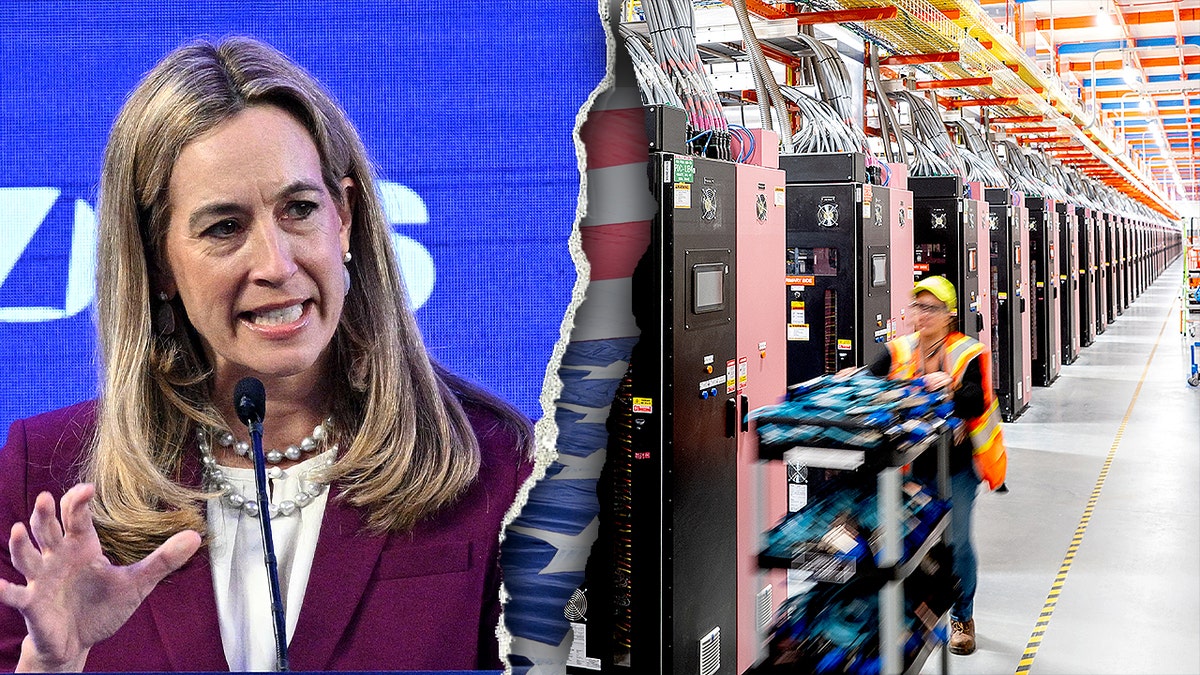
Governor Mikie Sherrill of New Jersey has implemented a strategy that enforces ground regulations before data centers connect to the grid. The legislation, signed in July, obligates the New Jersey Board of Public Utilities to create a specific rate structure for large data centers. This ensures that costs for substations and other grid upgrades primarily benefiting these centers do not add to other customers’ bills.
The law mandates these centers to commit to paying for at least 85% of the requested electricity capacity for a decade, even if their usage decreases or they shut down. Additionally, it encourages the adoption of clean energy solutions, efficient power usage, and reducing electricity demand during emergencies.
CHINESE BOT FARM CAUGHT RED-HANDED TRYING TO INFLUENCE HEATED AI DATA CENTER DEBATES
Governor Sherrill has introduced complementary measures that require operators to report their energy and water usage biannually. This reporting, alongside new municipal guidance, aims to provide officials with a clearer understanding of the centers’ demands, aiding communities in assessing impacts and negotiating with developers.
Indiana’s Collaborative Framework
In contrast, Indiana opts for a collaborative approach. State regulators, alongside Indiana Michigan Power (I&M) and consumer advocates, crafted a plan tailored to specific projects. The initiative followed planned projects like Amazon Web Services’ $11 billion campus and Google’s $2 billion venture in Indiana.
The 2025 agreement obligates new large customers, including data centers, to make long-term financial commitments for their requested electric service. I&M posits these commitments can translate new demand into benefits for existing users. With this setup, I&M proposes a base rate reduction of $59 million in 2027, which might save Indiana households roughly $100 annually if the Indiana Utility Regulatory Commission approves the plan.
FROM NETFLIX TO GPS: 10 WAYS THIS HIDDEN TECH INFRASTRUCTURE QUIETLY POWERS MODERN LIFE
Energy Advocacy and Opinions
Daniel Turner, leading the energy group Power The Future, advocates for Indiana’s flexible framework over New Jersey’s prescriptive measures. Turner argues that AI growth should expand the grid’s power rather than deplete it. He emphasizes that data centers should be paired with necessary power generation facilities to contribute to the grid’s capacity.
Turner feels there’s excessive politicization in data center discussions, with too many sweeping restrictions or delays instead of collaborative solutions that enhance the grid while protecting ratepayers.
KEVIN O’LEARY DETAILS MASSIVE UTAH AI DATA CENTER TO RIVAL CHINA’S TECH DOMINANCE
Federal efforts have also emerged, with the Trump administration advocating a national model. The Ratepayer Protection Pledge, endorsed by major tech firms such as Amazon and Google, promises these companies will cover the costs of additional electricity needed for AI data centers.
Turner underscores the importance of not lagging behind in the AI sector compared to China, noting potential risks if control is lost.
In sum, New Jersey and Indiana exemplify varied methods in managing AI’s energy demands, prioritizing ratepayer protection while ensuring technological progress.
Alec Schemmel is a Politics Reporter for Fox News Digital, based in the Washington D.C.-Baltimore Metro Area.