
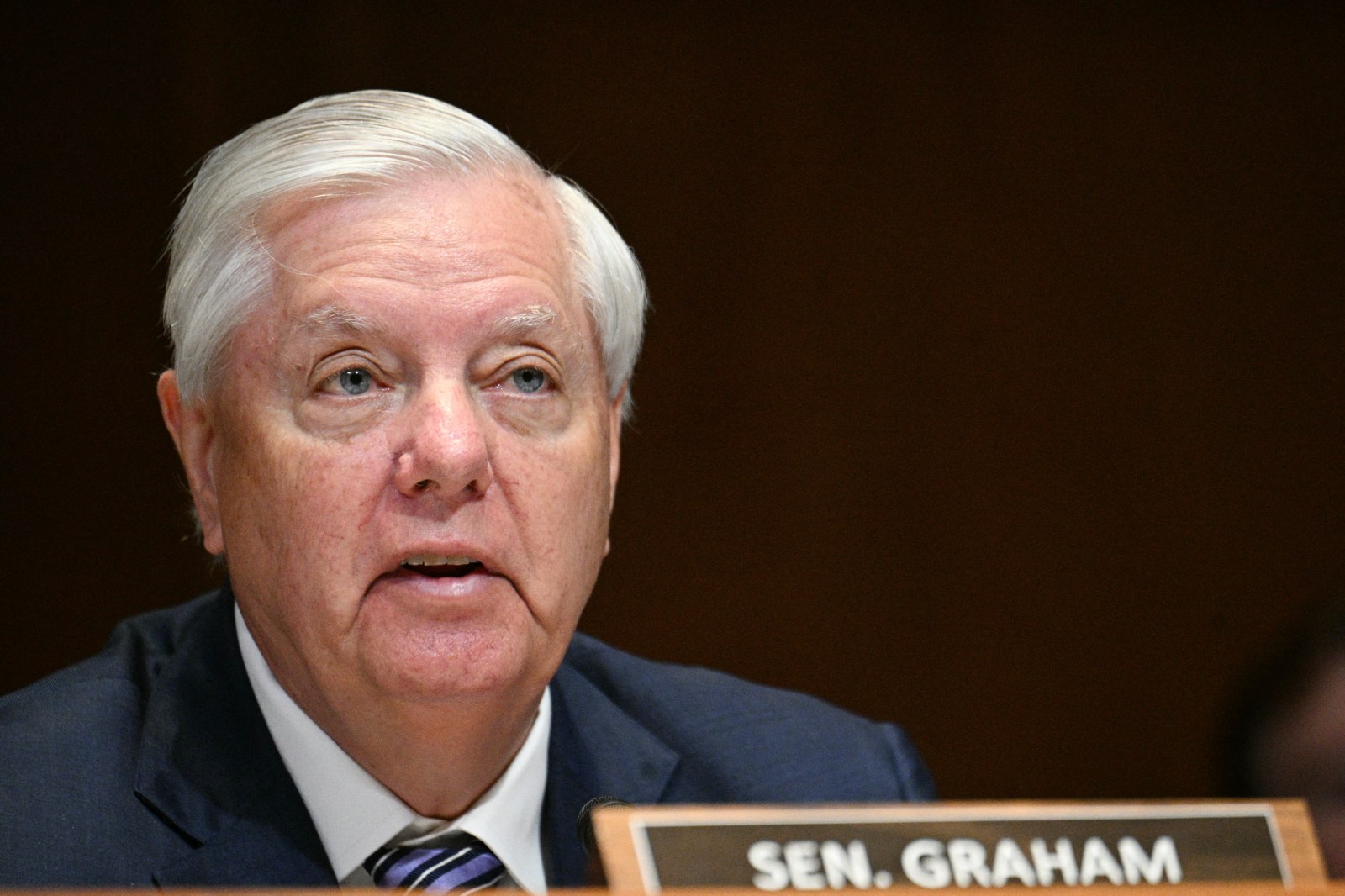
Overview of the South Carolina Senate Race
Republican Senator Lindsey Graham is running for a fifth term representing South Carolina in the Senate. His Democratic challenger, Dr. Annie Andrews, has gained national attention despite the state’s Republican lean. While polls and betting odds favor Graham, Andrews’ fundraising has kept the race competitive. She aims to leverage dissatisfaction with Washington and her health care background to garner support.
Primary Race Results
Graham secured his primary win with 58% of the vote, while Andrews won her primary with 61%. As the battle for U.S. Senate control intensifies, the stakes rise for both parties, even in states typically viewed as Republican fortresses.
Polling and Election Odds
Polling in South Carolina’s general election has been limited, primarily coming from Democratic sponsors. A February poll, backed by Andrews, showed Graham leading by 5 points. A November poll indicated Graham leading by 6 points against Andrews and 2 against a generic Democrat. Despite indicators of a tight race, Graham is generally seen as having a safe seat, with Cook Political Report rating it as “solid R.”
Role of Prediction Markets
Prediction markets show Republicans holding a strong advantage, with Kalshi at 78.8% and Polymarket at 81% for Republicans winning the race. Despite a narrowing gap, Republicans remain favored. Democrats need four additional seats to regain Senate control, with South Carolina not viewed as a key battleground.
Annie Andrews’ Campaign Strategy
Andrews brings a distinct profile to the race, appealing to voters beyond traditional Democrat circles. As a pediatrician from Charleston, she highlights her firsthand experience with America’s healthcare challenges. She focuses on affordable health care, public education, and economic security.
“I’ve worked for 20 years on the frontlines of America’s healthcare system, and I know the ins and outs of how deeply broken and profit-motivated our healthcare system is,” Andrews stated in an interview.
Andrews appeals to parents, particularly mothers, who are amongst her most engaged supporters. Her fundraising efforts parallel Graham’s, with both candidates raising over $7 million. Despite facing challenges, such as her 2022 Congressional loss, Andrews targets Democratic voter unification and independents to counter Graham’s support.
Historical Context and Political Landscape
Winning a Senate seat in South Carolina poses a steep challenge for Democrats, with the last win in 1998 with Senator Fritz Hollings. The GOP currently holds both Senate seats and most other statewide positions. Even in high-profile campaigns, like with Jaime Harrison in 2020, Republicans have maintained an advantage.
Looking Ahead: Election Day
South Carolinians will decide between Graham and Andrews in the November 2026 election. Early voting and registration deadlines loom ahead of Election Day. Any new polling or campaign spending could indicate shifts in the race dynamics. Both campaigns will focus on turnout, with Democrats hoping to boost participation and Republicans aiming to solidify their base.
Should the Senate race come down to a few seats, national interests could spotlight South Carolina, injecting late funds and attention into the contest if margins continue to tighten.