
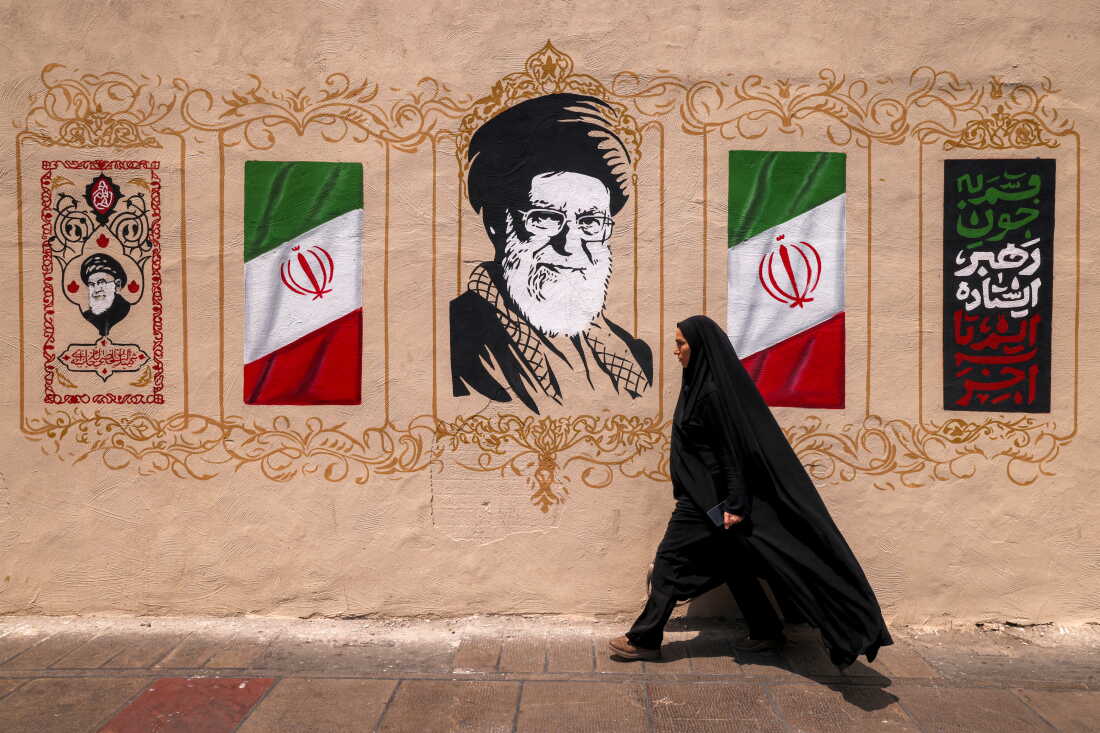
At the half-year mark since the United States and Israel initiated military action against Iran, the anticipated regime collapse has not materialized. Instead, Iran’s leadership has fortified its position, adopting a more stringent stance.
Intensive Bombing Campaign
From February 28 to April 8, the U.S. and Israel conducted intensive bombing raids in Iran. On the first day, several top Iranian leaders were killed, including the longstanding Supreme Leader Ayatollah Ali Khamenei. The airstrikes severely damaged Iran’s air force and navy, although Iran retains some capacity for missile and drone attacks.
Iran’s military losses included the destruction of its air defenses and most of its naval fleet. Despite this, Iran has maintained control over the Strait of Hormuz, posing threats to Gulf Arab countries and even Israel. The World Health Organization reports over 3,375 Iranian deaths and more than 33,000 injuries, while the U.S. military reports 18 deaths and hundreds of injuries. Casualties in Israel and Gulf countries are also significant.
The Strait of Hormuz as Leverage
Iran has transformed the Strait of Hormuz into a critical strategic asset, impacting global oil and gas supplies. The closure of this vital shipping route has disrupted economies worldwide by increasing fuel and goods costs. While Iran and Oman are negotiating to reopen the strait temporarily, the U.S. administration has dismissed the deal, rejecting Iranian control over the waterway.
Challenges in Diplomacy
Efforts toward diplomatic solutions remain stalled, with President Trump maintaining a threatening posture against Iran. Although the U.S. expressed intentions to pursue negotiations following April’s ceasefire, these efforts have been unsuccessful. For a peaceful resolution, compromise is seen as the most feasible outcome.
The Trump administration has announced Operation Economic Outcast, aiming to impose financial isolation on Iran through enhanced sanctions in response to Iran’s economic crisis, exacerbated by previous strikes and trade blockades.
The Human Cost of War
Six months of conflict severely affect daily life in Iran. Inflation surpasses 80%, and the currency’s value has dropped significantly. People struggle to afford basic necessities, with many relying on credit for food purchases. Medical costs have escalated, making healthcare unaffordable for many.
The Iranian government has intensified its retaliatory measures, increasing executions based on national security charges. According to the U.N., 56 executions have occurred in the past six months. Human Rights Activists News Agency cites 7,000 deaths and numerous arrests during protests.
While street protests continue, experts argue that change requires a political strategy to induce defections within the regime.
Reporters Hadeel Al-Shalchi from Istanbul and Greg Myre from Washington, D.C. contributed to this report.