
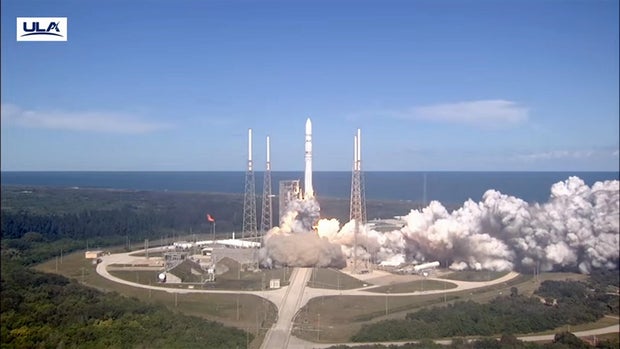
United Launch Alliance’s (ULA) recent mission ended in failure as their new Vulcan rocket malfunctioned while attempting to deploy 40 Amazon internet satellites. This incident has disrupted the launch schedules of both companies. The failure occurred about 10 minutes after launch from Cape Canaveral, rendering the mission unsuccessful.
ULA released a statement confirming the malfunction and pledged to work with customers and authorities to investigate and resolve the issue promptly. This incident marks Vulcan’s first failure since the ULA formed in 2006, a partnership between Boeing and Lockheed Martin.
The Vulcan rocket, set to replace ULA’s Atlas 5 rockets, will face scrutiny as engineers review telemetry data to address the cause of the malfunction. Sunday’s launch was only the fifth Vulcan flight and the first in nine months, following previous issues with its solid-fuel boosters. The boosters performed as expected, whereas the trouble arose with the upper stage’s engines during the Centaur burn phase, cutting off prematurely for reasons not yet disclosed.
This launch was part of Amazon’s extensive plan to deploy more than 3,300 LEO satellites for their internet service, rivaling SpaceX’s Starlink. Amazon has invested in launching these satellites across multiple platforms, including Blue Origin’s New Glenn and SpaceX’s Falcon 9 rockets.
NASA Administrator Jared Isaacman expressed support for ULA’s investigation, offering NASA’s assistance if necessary. With the Vulcan rocket’s failure, Amazon’s satellite deployment faces delays, waiting on the investigation and corrective measures to be completed before rescheduling the launch.
The Vulcan rocket’s debut wasn’t without its setbacks. Prior issues led to scrubbed attempts on the days preceding the recent launch. Technical difficulties were addressed, allowing the rocket to take off successfully, but further complications arose during flight.
The U.S. Space Force has also paused Vulcan’s national security payload launches pending a thorough review. ULA continues to address previous design challenges, with adjustments to solid-fuel booster nozzles and BE-4 engine components potentially involved in the incident.
ULA is committed to transparency and will provide detailed updates throughout this aerospace challenge. The disruption impacts both companies as they strive for space exploration advancements.