
San Francisco’s Real Estate Surge Amid AI Expansion
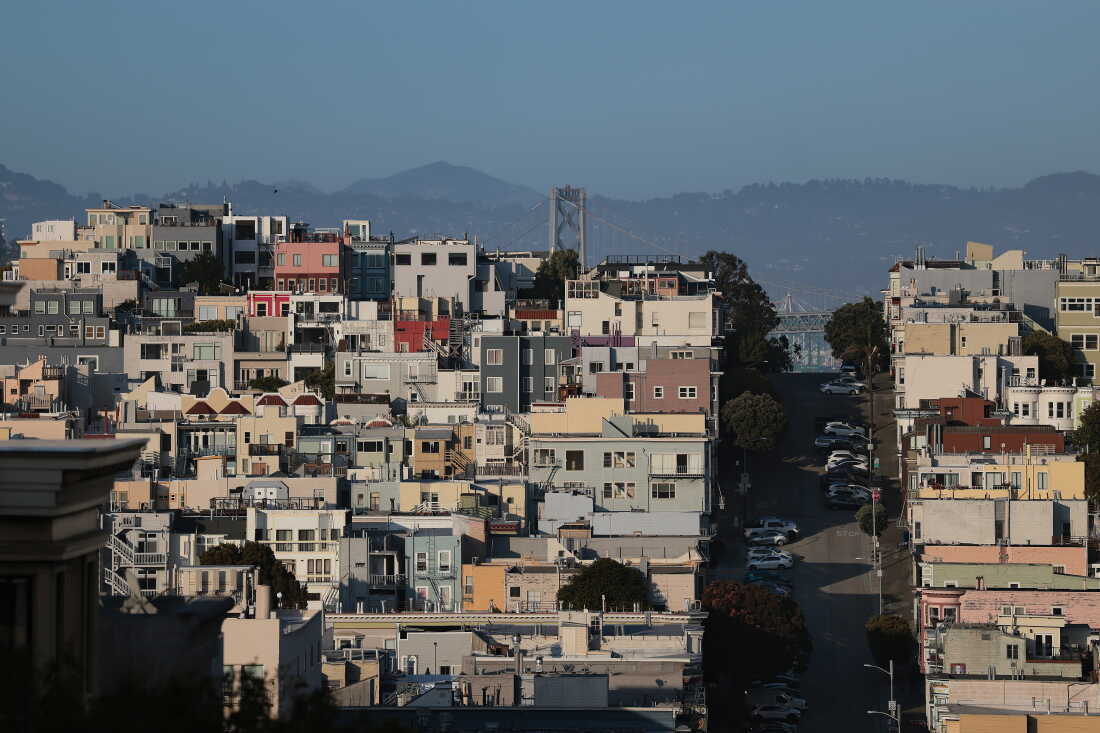
San Francisco’s North Beach neighborhood offers a striking view of the city undergoing a transformative real estate boom. The AI industry’s rapid growth is driving home prices and apartment rents upwards. This prosperity attracts a new wave of wealth that is reshaping the city’s housing dynamics.
Collin Russell, a 30-year-old tech investment banker, faced a daunting housing market upon his return to San Francisco with his wife. With the city experiencing a surge in real estate activity, he lamented the timing of his move. Homes like the condo he toured in Presidio Heights attract fierce competition. Despite earning a solid income, finding a two-bedroom home within budget has become a challenge. Open houses often resemble feeding frenzies, with numerous prospective buyers.
Artificial Intelligence and Housing Demand
San Francisco has become the center of the AI boom, which intensifies competition in its already pricey housing market. AI companies expand rapidly as the tech industry brings workers back to offices. Startups Anthropic and OpenAI prepare for public offerings, leading to an influx of wealth. This surge reverses the pandemic housing slump, causing home and rental prices to escalate. The increased demand raises concerns about displacement, since past tech booms have priced out many residents.
Paul Kitchen, a real estate agent, notes record-setting sales and fierce competition in the market.
Real estate agent Paul Kitchen from Compass sees remarkable business levels these days. The median sales price has jumped 25% from last year. Some properties see even higher bids due to bidding wars. Kitchen describes a scenario involving 50 bids per listing, adding emotional stress to losing parties.
Even at the higher end, all-cash offers of $25 million face losing bids. Homes sold at $1 million or more over asking price, as per data from Mike Simonsen, Compass’s chief economist, highlight the intensity of the market.
The Ripple Effect of High Prices
Simonsen notes the concentrated price spikes in upscale neighborhoods. However, history suggests a ripple effect will move across the Bay Area and beyond as people facing high prices seek alternatives. The shortage in California influences prices across other states, notably Texas.
Ally Alessio and Aidan Cahill faced competitive rental markets with skyrocketing demand.
Both homebuyers and renters face intense competition for housing. Highly paid younger professionals bring new dynamics to the rental market. Real estate agents report numerous contacts on rental listings within hours.
Ally Alessio and Aidan Cahill relocated from San Diego and endured a difficult monthslong apartment search. Contacting a listing within hours and making a swift decision led them to secure a rental despite the high cost.
Alex Brenner, who works in healthcare, recounts long lines at open houses. The rental market’s competitive nature, fueled by AI wealth, strains individuals not employed in tech. Brenner describes stark challenges faced by many locals.
David Blosser’s agency RentSFNow avoids bidding wars, though rental market pressure persists.
Rent-controlled residents may stay financially trapped due to price spikes. Offers beyond the norm, like new televisions, show renters going the extra mile to secure places.
Luxury Housing Across the U.S.
The AI-fueled wealth accelerates nationwide luxury housing trends. Analyst Jonathan Miller ties this to wealth gap expansion. Ultra-high luxury market sales increase, such as a Bay Area estate sold to an AI executive for $70 million.
Miller relates San Francisco’s market to New York City, where property costs reflect location value over physical attributes. The AI industry triggers a structural shift, expected to persist, redefining San Francisco’s real estate landscape.