
Russian President Vladimir Putin possesses two distinct nuclear arsenals. One consists of weapons capable of catastrophic global destruction. The other, however, is potentially more influential. Russia’s civilian nuclear program remains a key tool of power and prestige for Moscow.
Civilian Nuclear Program’s Impact
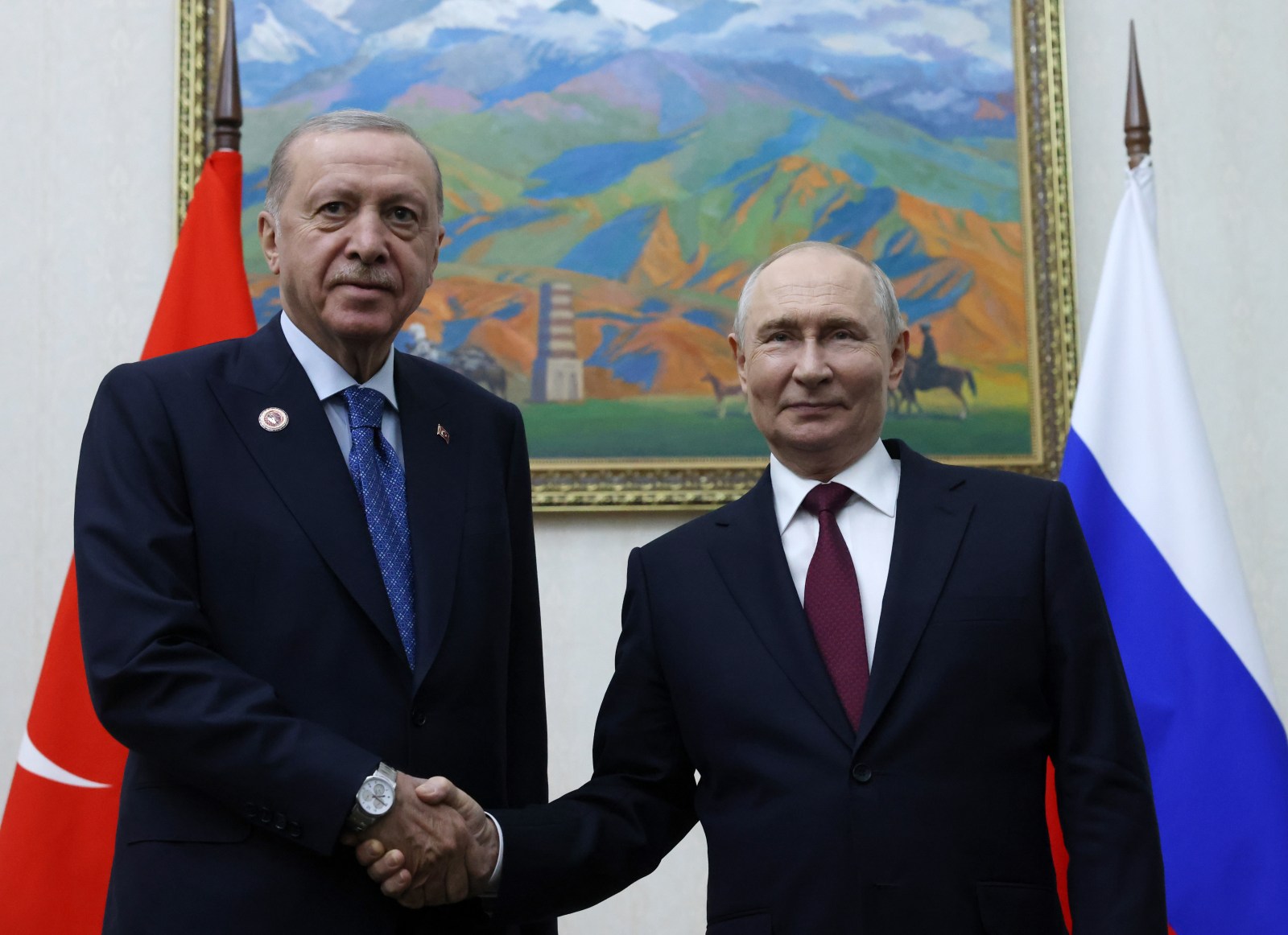
In recent developments, NATO member Turkey expressed interest in having Russia construct nuclear power plants for them. Meanwhile, Russia proposed constructing small nuclear reactors for Iran, and signed a deal with Kazakhstan to reintroduce nuclear power to Central Asia’s largest state.
Moscow’s expertise in civilian nuclear energy grants it significant leverage. This capability embeds Russia in the core infrastructure of foreign nations, potentially influencing these countries for decades.
Nuclear Power as a Lever of Influence
The primary function of nuclear weapons is deterrence, minimizing their chances of use. In contrast, Rosatom’s reactors operate regularly, becoming integral to nations’ energy infrastructures—a challenging aspect for the West to counter.
The West’s strategy focuses on harming Russia economically, particularly through sanctions on oil and gas. However, civilian nuclear capabilities differ as they embed Russian technology and expertise in another country’s critical infrastructure.
For example, Rosatom’s involvement varies by contract. In Kazakhstan, Rosatom is responsible for constructing the Balkhash Nuclear Power Plant and providing fuel initially. However, the plant will eventually be run by Kazakhstan’s Atomic Energy Agency.
Other deals involve Rosatom acting as builder, banker, and operator, such as the El Dabaa NPP in Egypt, heavily financed by Russian loans. Turkey’s Akkuyu NPP, which will meet a substantial portion of Turkey’s electricity needs, is owned entirely by Rosatom and supplied by its subsidiary TVEL.
Global Reach and Market Share
Rosatom’s influence is extensive. By February, it had 20 active reactor projects in seven foreign nations, including Turkey, Hungary, and China. It controls over a third of the global uranium-enrichment sector and approximately 20 percent of nuclear fuel supply. The U.S. Department of Energy highlights Russia’s 44 percent share in global enrichment capacity.
Recent forum announcements see Turkey and Iran discussing more Rosatom nuclear facilities. These developments further entrench Russian technology in diverse geopolitical landscapes.
Challenges and Sanctions
While Western nations impose sanctions to weaken Russian power, Rosatom avoids sweeping sanctions unlike other sectors. Washington and London have targeted Rosatom officials and subsidiaries, yet the corporation as a whole remains largely untouched. Countries reliant on Russian nuclear fuel, like those in the EU, find it difficult to replace.
The Akkuyu project in Turkey faces delays, compounded by Western financial sanctions and Siemens withholding key components. This has led Turkey to explore nuclear collaborations with South Korea, China, and the U.S.
Similarly, Hungary’s Paks-II project encounters issues, lacking German export licenses for essential components, prompting a deal with Westinghouse for future supplies.
Rosatom’s Long-Term Role
Despite delays and challenges, Rosatom retains its position. Its foreign order book increased to $206.2 billion—demonstrating ongoing global reliance on Russian nuclear capabilities.
Countries involved with Rosatom remain motivated to maintain these partnerships due to sunk costs and energy needs. Abandoning projects due to sanctions or delays is impractical for many.
This civilian nuclear prowess ensures Moscow sustains influence. While Russia’s military nuclear stockpile commands respect through deterrence, Rosatom fosters cooperation by providing essential services globally.