
Organizations responsible for feeding millions are grappling with budget cuts, inflation, and increasing demand for assistance. The conflict in Iran is now adding pressure, with forced decisions becoming necessary.
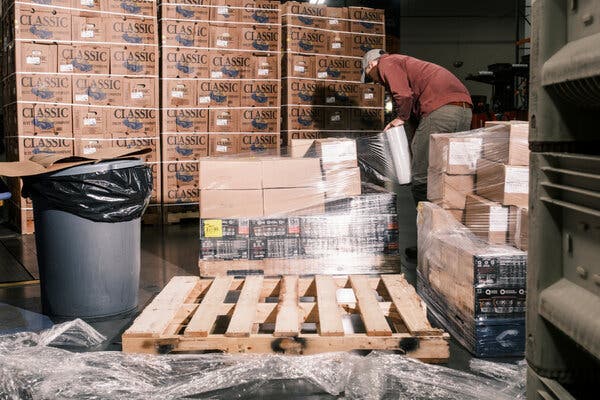
Rising fuel costs are impacting the U.S. economy, hitting food banks that supply pantries nationwide. For example, the Oregon Food Bank operates semi trucks from its central warehouse in Portland, delivering canned goods, frozen meats, and produce to pantries across the state. The deliveries span from nearby churches and soup kitchens to places as far as the Idaho border, which is a six-hour trip through challenging terrain.
With the cost of diesel rising due to the war in Iran, the food bank’s president, Andrea Williams, reported budgeting an extra $20,000 monthly for fuel. This additional spending affects the amount of food her organization can transport.
“It’s an opportunity cost,” Williams remarked, highlighting that funds going towards fuel could have provided more food for those in need.
Americans have felt the effect of the war through increased fuel prices. As these costs propagate, they impact food banks, key suppliers to local pantries.
A report from Feeding America in 2024 showed up to 50 million Americans required emergency food assistance annually. This assistance often comes from local pantries or soup kitchens. These local services heavily depend on food banks for acquiring and distributing food, particularly in rural areas.
The Oregon Food Bank’s main distribution center in Portland illustrates the challenge. Their extensive delivery routes are becoming financially strained, impacting how much food they can provide.