
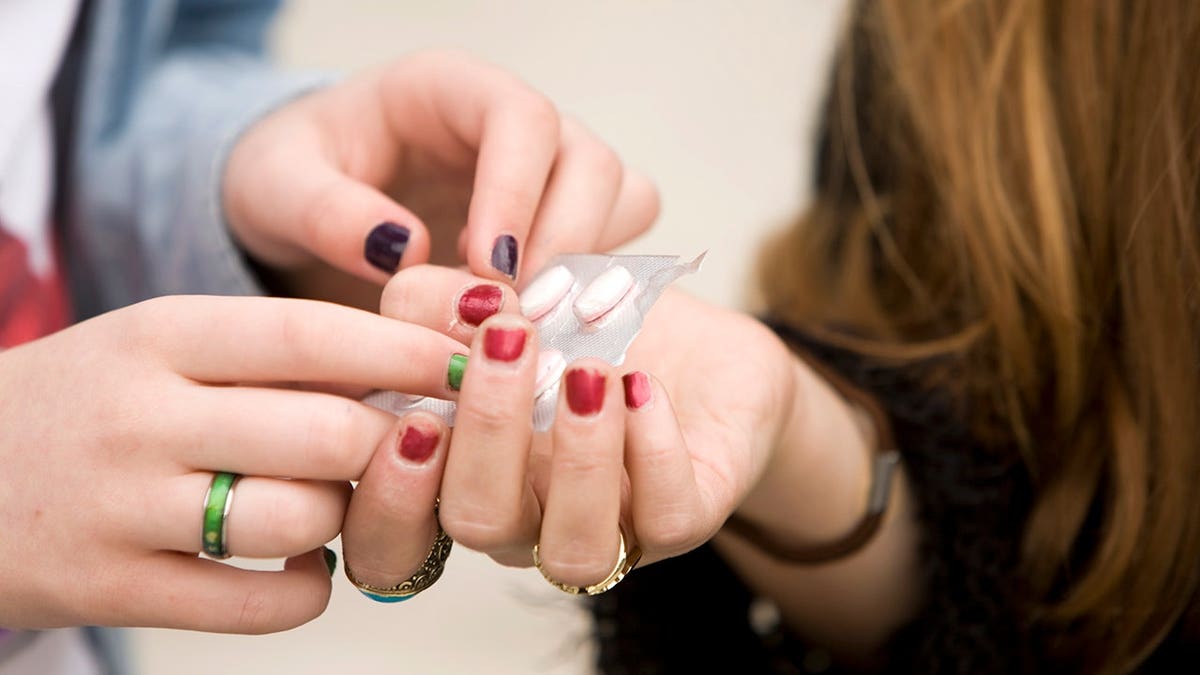
America’s Poison Centers have reported a troubling increase in the misuse of over-the-counter medications by teenagers. This involves diphenhydramine, frequently found in drugs like Benadryl and Zzzquil. Such medications are often used for allergies and sleep issues.
Recent Trends in Diphenhydramine Abuse
From 2024 to 2025, overall substance exposure in teens aged 13 to 19 increased by 5.1%. However, cases linked specifically to diphenhydramine surged by 32%, rising from 10,068 to 13,284 cases. Furthermore, the first five months of 2026 witnessed 6,179 such incidents, indicating a persistent trend.
Motives Behind the Increase
The advisory from America’s Poison Centers highlights that this spike is driven more by recreational misuse rather than accidental over-medication. Specifically, 13% of 2026 cases were due to intentional abuse, doubling from 7.3% in 2020.
Health Implications
Improper use of diphenhydramine can severely affect the brain and heart, potentially causing life-threatening conditions. Symptoms of overdose include drowsiness, fast heart rate, nausea, hallucinations, seizures, and loss of consciousness. Given these dangers, America’s Poison Centers stress the importance of secure medication storage.
“Talk with teens about the risks of misusing medications, including serious health effects and poisoning,” advises the notice.
Preventative Measures and Industry Response
The notice encourages the public to be aware of social media trends promoting harmful use. Those suspecting misuse should contact their local Poison Control Center. Benadryl maker Kenvue expressed strong opposition to social media trends advocating such misuse. They are coordinating with safety teams to eliminate these posts and promote safe medication practices.
Kenvue recommends three preventive measures:
- Report concerning content on social media.
- Store medicines locked away, out of children’s reach.
- Adhere to dosing instructions and educate children on safe use.
Mary Leonard of the Consumer Healthcare Products Association described the report as “deeply concerning”. She reinforced that these medications should not be used for recreational purposes and stressed the importance of understanding the Drug Facts label.
As this issue evolves, it remains crucial to follow safety guidelines and consult health professionals when in doubt.