
Recently, many Americans have embraced dietary habits reflective of the colonial era. Early settlers consumed minimally processed, locally sourced whole foods, often featuring organ meats. European explorers had introduced livestock and crops long before America’s founding, influencing early colonial diets.
Adapting European Traditions
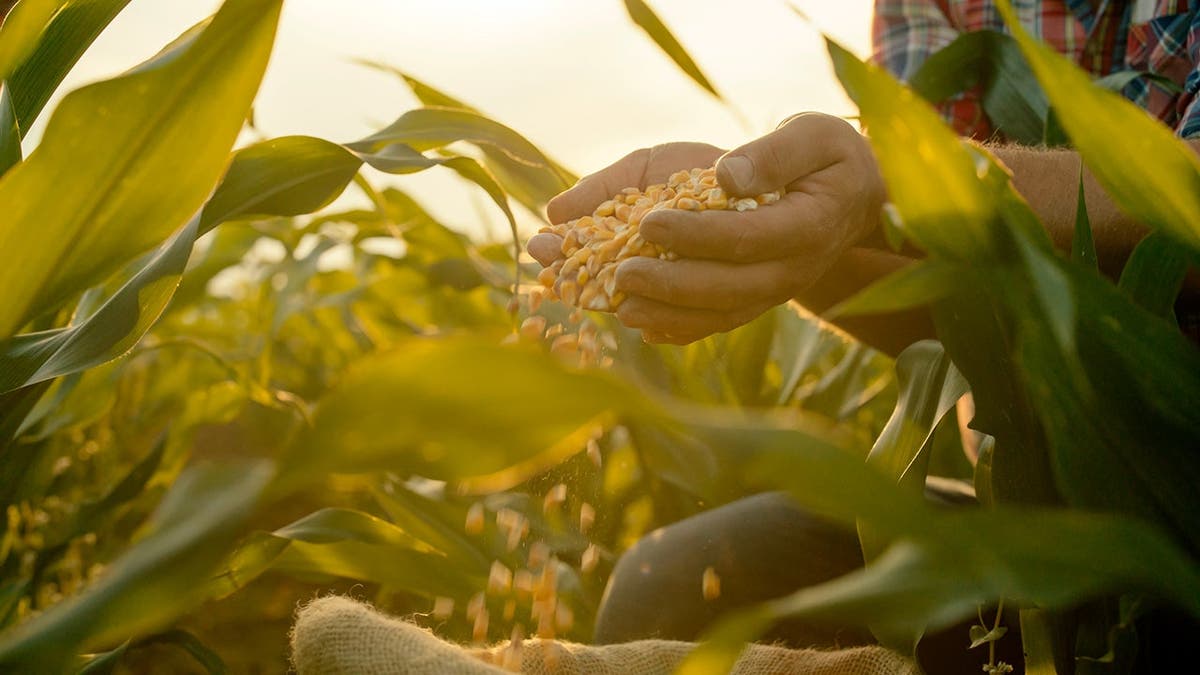
According to the Center for the Study of the Presidency and Congress (CSPC), early settlers adapted European cooking traditions using native ingredients. Indigenous peoples introduced corn to colonists, making it a staple. Cornmeal emerged in dishes like hasty pudding and johnnycakes, simple yet popular across the colonies.
Cornmeal Johnnycakes, roast pork, and cream cheese define early-American cuisine with CSPC offering recipes.
Regional customs shaped colonial diets. French and African influences emerged in the South where rice and okra thrived. In the north, Dutch, English, and German settlers shaped culinary traditions. Seafood, such as rockfish and crab, dominated Maryland’s early diet, according to NPR.
Meat as a Status Symbol
Meat symbolized status; beef was valued, while eggs from chickens were prioritized over poultry consumption, explained local food historian Joyce White. Thomas Jefferson, noted for his extravagant tastes, enjoyed French wine, macaroni, and cheese, as reported by NPR. Meanwhile, bacon, sausage, liver pudding, and offal were prevalent among the working class, contrasting with the upper class’s preference for white flour and sugar.
There’s renewed interest in these traditional foods lately, with Americans seeking diets based on minimally processed whole ingredients. Advocates of the ‘Make America Healthy Again’ movement promote organ meats for their affordability and nutrient density.
Colonial Beverages and Moderation
Colonial Americans drank considerable alcohol amounts, remarked Adrian Miller, author of “The President’s Kitchen Cabinet.” Famous examples include George Washington’s recipe for “small beer,” noted for low alcohol content and popularity due to its safer consumption compared to water.
Registered dietician Lisa R. Young suggests focusing on the healthiest elements of colonial diets. This includes consuming fruits, vegetables, beans, whole grains, fish, and lean proteins.
Working-class colonists often opted to preserve chickens for egg production instead of meat consumption.
While colonial diets emphasized whole foods, Young advises moderation due to health implications associated with high sodium and cholesterol content of processed meats and organ meats.
It’s acceptable to briefly adopt the Founding Fathers’ diet for occasion-based celebrations. However, Young cautions against replicating colonial drinking habits, noting some Founding Fathers’ excessive ale consumption.
Teresa Mull contributes freelance writing for Fox News Digital’s Lifestyle team.