
In Venezuela’s northern state of La Guaira, rescue teams tirelessly worked to extract survivors from debris, following two severe earthquakes that struck the region. Local and international rescuers were racing against time, with the Venezuelan government on Sunday confirming a death toll of 1,450. Criticism mounted against the authorities, as many citizens believed the government’s response was outpaced by civilian-led rescue efforts.
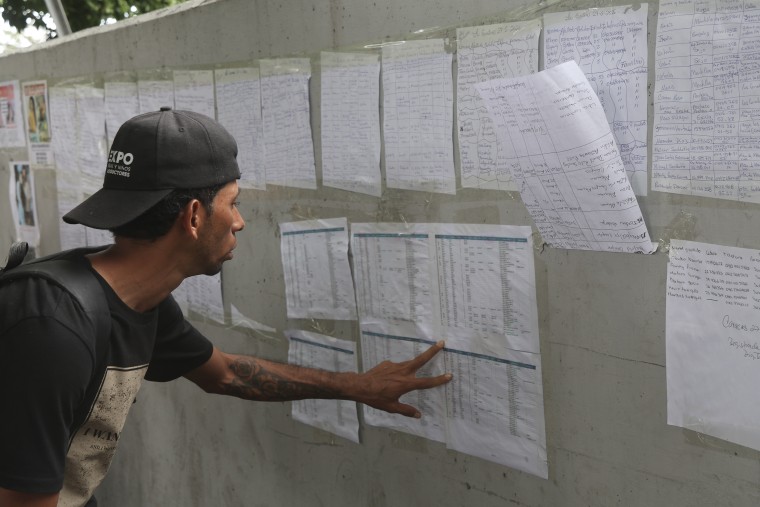
Families faced heartache, reporting thousands missing, relying on various databases to locate loved ones. Hospitals in Caracas posted lists of patients, hoping to assist those searching for relatives. Despite the decreasing chances of finding survivors, rescuers managed to pull people from debris, offering hope to grieving families. Aid organizations often mark the first 48 to 72 hours post-disaster as critical for rescues.
“It’s been incredibly hard work, but we’re going strong,” said Jason Mercano, a civilian involved in the rescue operations.
Rescue teams from the U.S. and France successfully saved a father and son from ruins, witnessed by crowds. The survivors received medical attention promptly, with over 2,200 rescuers arriving by Saturday, as noted by the U.N.
Government Response and Public Discontent
The situation posed a significant challenge for Rodríguez, who stepped into office amidst Venezuela’s longstanding economic turmoil. He faced widespread distrust, compounded by reports of over 770 destroyed or damaged buildings. Despite obstacles, the presence of 14,000 military personnel aimed to maintain order, although complaints persisted about inadequate government support.
Many locals voiced frustration over government workers taking selfies without offering help. Reports emerged of civilians blocking equipment and confronting operators over stagnant rescue operations.
International Aid and Geological Impact
The disaster impacted an estimated 6 million people, with effects felt heavily in Caracas, triggered by the rapid succession of shallow earthquakes. Aftershocks continued to jolt affected regions. International aid flooded in from multiple countries, offering support amid ongoing distress.
Amidst grief and anxiety, glimpses of humanity prevailed. Individuals called out names in hopes of locating survivors. Volunteers persevered against the odds, driven by a commitment to saving lives.
“If there is anyone alive, let’s get them out,” said Yonahí Regalado, pleading for help to save her family.
Working under challenging conditions, rescuers comforted victims trapped beneath unstable structures, assuring them of their presence and support.
The destruction extended to crucial infrastructure, notably affecting Simón Bolívar International Airport. Only one operational runway remained, with U.S. teams engaged in repairing the vital transit link.
Venezuela faced a daunting humanitarian crisis, amplified by political and economic complications. Yet the resolve of rescuers and the influx of global aid offered a lifeline in the face of adversity.