
With 45 days left until the November 3 midterm elections, Republicans face mounting challenges that could impact their control of Congress and key statewide offices. Concerns are rising due to shifts in polling, internal debates over resource allocation, and distancing from President Donald Trump.
North Carolina Polls Raise Concerns
A significant concern has emerged for Republicans in North Carolina. A new poll shows former Democratic Governor Roy Cooper leading Republican Michael Whatley by 15 points in the Senate race. This poll, conducted by Harper Polling, surveyed 608 likely voters with a margin of error of 3.97 percentage points. Harper Polling, founded by a former Republican Congressional Committee polling director, found 49% support for Cooper versus 34% for Whatley.
Other polls echo these findings, highlighting the North Carolina Senate race as a critical battle for Senate control. Democrats need to flip four seats for a majority, positioning North Carolina as a viable opportunity.
Strategic Debates Among Republicans
Beyond polling, Republicans are contemplating their strategic approach. Reports indicate GOP senators are weighing options for preserving their Senate majority, reconsidering resource allocation between faltering races in Georgia and North Carolina. Senator John Cornyn of Texas hinted at potential reallocations of resources.
These are always tough decisions, but it’s a zero-sum game,
one unnamed senator stated, citing underperformance in Georgia and North Carolina. Concerns stem from Democratic advantages and President Trump’s declining popularity.
Challenges in Texas
Unexpected difficulties have surfaced in Texas, traditionally a Republican stronghold. A new Siena College/ReconMR survey indicates Democratic gubernatorial candidate Gina Hinojosa leading Republican Governor Greg Abbott by four points. The race’s competitiveness has alarmed Republicans, forcing potential increased spending to defend key positions.
Republicans Distance from Trump
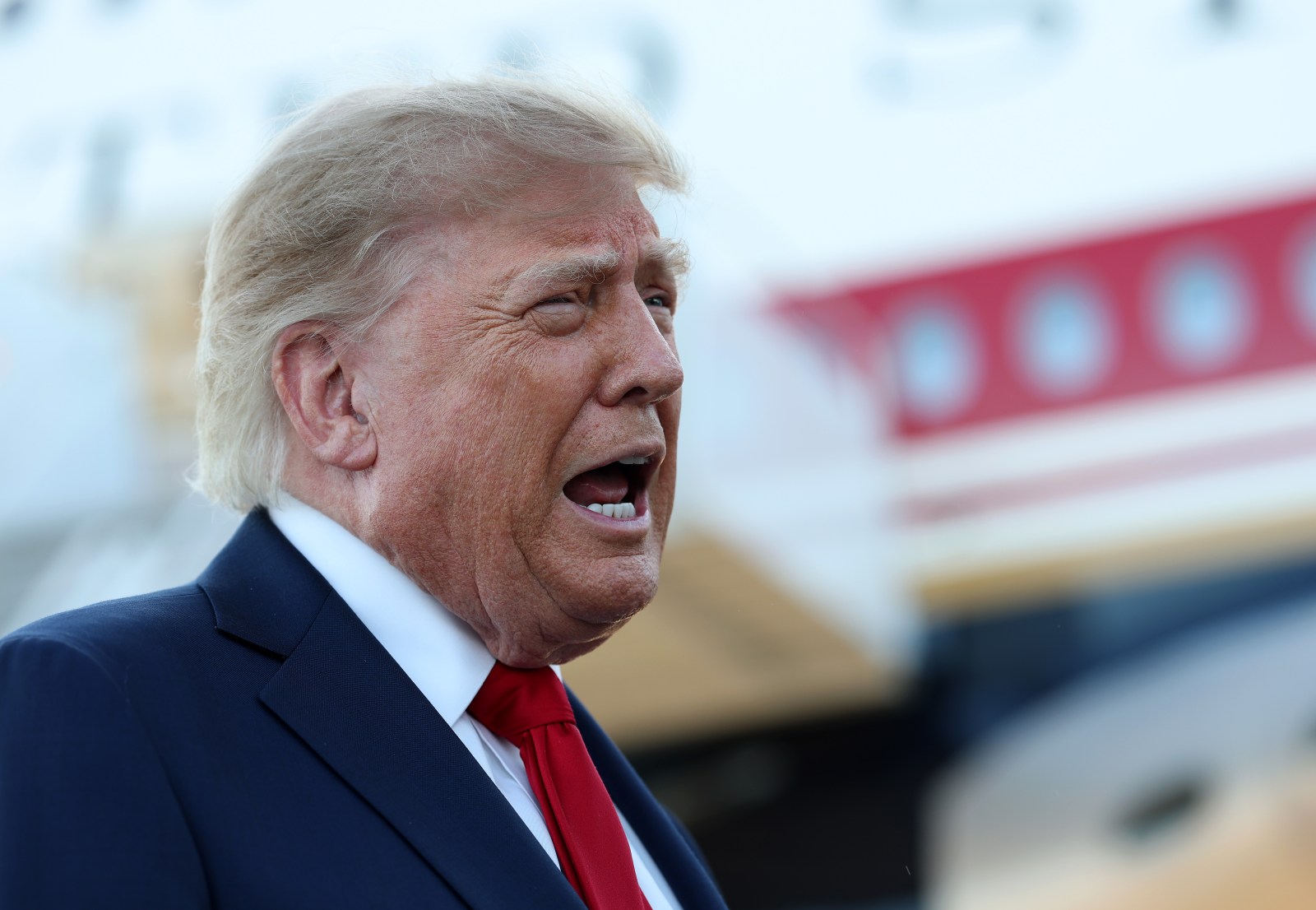
Some Republicans are distancing themselves from Trump amid declining approval ratings. Florida Representative Maria Elvira Salazar criticized the immigration crackdown and its impact on Hispanic voters in an ad. Kansas Attorney General Kris Kobach also declined to seek Trump’s endorsement, reflecting strategic shifts to align with local voter preferences.
Other Republicans, including Senators Susan Collins and Roger Marshall, have expressed concerns over tariffs and other Trump policies, signaling a possible shift in party dynamics.
Trump’s Approval Challenges
Trump’s approval ratings continue to falter. A Marquette Law School poll shows a decline among conservatives from 84% in July to 76% in September. Concerns include inflation and foreign policy stances. Political experts suggest that turnout could be crucial in overcoming approval barriers.
Forecasting Shifts and Democratic Opportunities
Election forecasting outlets are adjusting predictions. Sabato’s Crystal Ball moved several House races toward Democrats, hinting at growing Democratic strength. Decision Desk HQ and other models suggest Democrats have an edge in the Senate.
Republicans argue these polls are mere snapshots and remain focused on maintaining their congressional advantage. However, growing unease about incumbent weaknesses is palpable.
The final phase of the campaign will test the Republican strategy. While paths to victory remain, the current environment is proving more challenging than anticipated earlier in the year.