
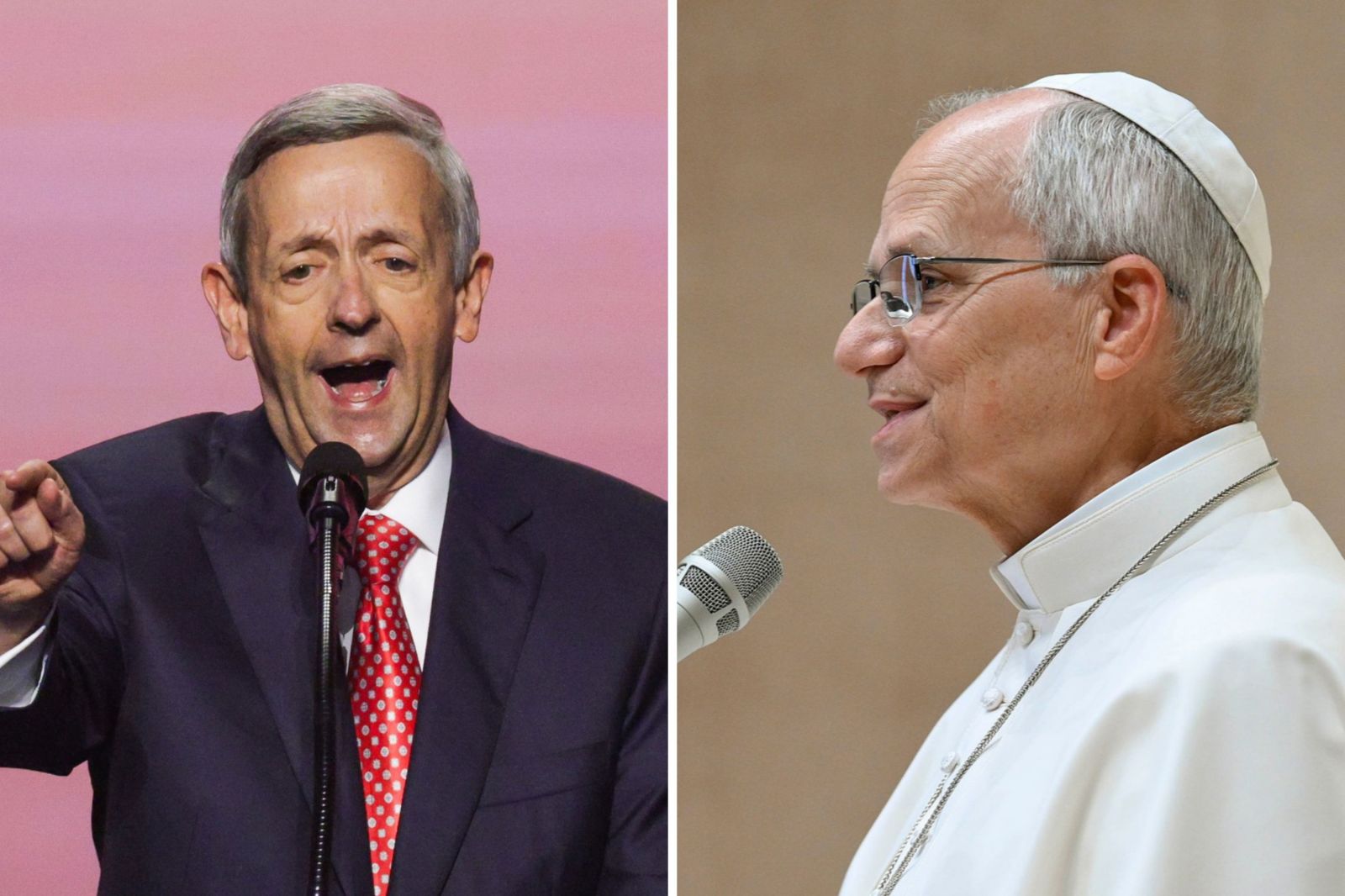
On Monday, Archbishop Timothy Broglio strongly opposed the Pentagon’s plan to livestream the execution of Nidal Hasan, the Fort Hood shooter, while some Christians support public executions based on biblical principles. This conflict marks a significant religious divide in the debate over Hasan’s scheduled execution in December.
Catholic leaders such as Pope Leo XIV, Archbishops Paul Coakley, and Broglio have criticized the proposed broadcast. They argue that it doesn’t serve any rehabilitative purpose and could harm the U.S. military’s image. In contrast, Dallas Pastor Robert Jeffress contends that public executions highlight the sanctity of life and serve as moral lessons.
Details of the Fort Hood Attack
Hasan, a former Army major and psychiatrist, was convicted for his role in the 2009 Fort Hood shooting in Texas, which resulted in 13 deaths and more than 30 injuries. Investigations attributed his actions to Islamic extremist beliefs, citing his correspondence with Anwar al-Awlaki, an al-Qaeda-linked cleric, and his own statements defending the Taliban.
Hasan’s execution by firing squad is scheduled for December 3. The controversy now revolves around whether the execution should be public.
Catholic Opposition to Livestreaming
Defense Secretary Pete Hegseth advocates publicizing executions to show the consequences of grievous acts. Critics, however, compare the proposal to methods used by terrorist groups and authoritarian regimes. Archbishop Broglio, head of the Archdiocese for the Military Services, USA, leads the opposition.
“Do we really want to imitate the terrorists of this world and make a public spectacle of barbarically killing our adversaries?” Broglio asked.
Broglio stressed the Catholic Church’s objection to capital punishment and contemplated the potential moral injury to military personnel involved in executing the sentence. He urged Catholics assigned to firing squads to seek exemption and questioned the proposal’s impact on youth and the U.S. military’s standing.
Pope Leo echoed these sentiments, emphasizing the Church’s stance that the death penalty is inadmissible, as it violates human dignity. Additionally, Archbishop Paul Coakley criticized the livestream as a “barbaric promotion of a culture of death.”
Leslie Rodriguez, of the Texas Catholic Conference of Bishops, confirmed broad Catholic agreement with Broglio’s position. Bishop Daniel Garcia emphasized the traumatic effects of a public execution on survivors and families affected by the Fort Hood tragedy.
Support for Public Execution Based on Biblical Teachings
While Broglio’s perspective reflects Catholic doctrine, figures like Pastor Jeffress argue for the biblical authorization of capital punishment. Jeffress cites Genesis 9:6, claiming it underscores life’s sanctity and argues public execution serves as a societal lesson.
Andrew Walker, from The Southern Baptist Theological Seminary, advocates publicly executing Hasan based on Old Testament laws designed as deterrents. He criticizes selective adherence to biblical principles. Other Christian leaders, like William Wolfe, also support public executions, viewing them as reminders of justice’s demands. However, some, such as Pastor Rich Bitterman, caution against broadcasting executions as entertainment.
Political and Public Reactions
The religious debate mirrors political divides. President Donald Trump initially expressed approval of the proposal but later left the decision open. Vice President JD Vance, expressing uncertainty, encouraged focus on Hasan’s crimes. Many Republicans support the execution but oppose its public airing. Senators Thom Tillis and John Curtis criticized broadcasting executions, seeing it as a societal erosion of values.
Some Fort Hood victims’ relatives, including Kristopher Craig, also oppose the livestream, differentiating between accountability and spectacle. Experts like the Death Penalty Information Center note the unprecedented nature of livestreamed executions in the U.S. Austin Sarat, a professor from Amherst College, warned about making executions a “spectacle of cruelty.”
With Hasan’s execution nearing, the debate extends beyond punishment to discussions on whether a public execution constitutes justice or diminishes it.