
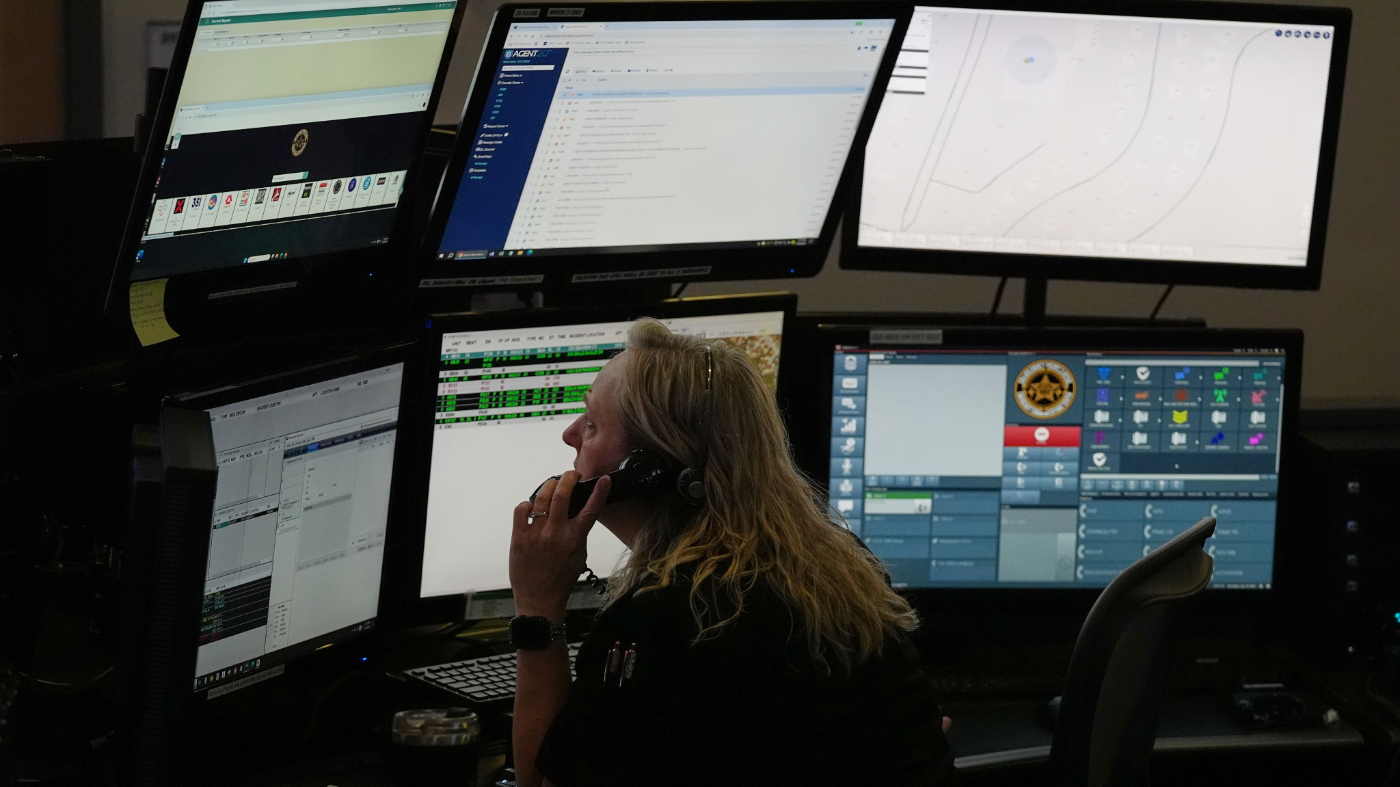
On July 11, 2025, dispatcher Donna Bocik responded to a 911 call at the Collier County Emergency Services Center in Naples, Florida. This call highlights the critical role of 911 operators who often act as first responders in emergency situations, a fact that is not widely acknowledged under federal law.
In 2019, Ohio resident Tim Teneyck received an unusual 911 call from someone pretended to order a pizza. Realizing the caller was using a code to report a domestic violence incident, Teneyck was able to respond effectively and ensure the safety of those involved.
Research shows that 911 professionals handle around 450 calls per minute in the United States. These professionals, like Teneyck, are lifesavers and guardians of health every day. However, they are incorrectly categorized as administrative workers rather than protective service personnel. The Senate has approved legislation to reclassify 911 operators to better reflect their essential roles, a decision Congress needs to prioritize.
The term “first responders” often evokes images of police or firefighters rushing into danger. Yet, 911 operators face high-stakes scenarios from their desks. Nearly half report calls related to kidnappings or hostage situations, 42% encounter nonaccidental deaths, and 37% experience serious assaults. Rates of dealing with suicides are significant as well. Mass shootings lead to floods of calls, subjecting operators to unimaginable trauma.
The job’s mental toll is severe. Compared to general workers, 911 responders face much higher risks of anxiety, PTSD, suicidal thoughts, and depression. Their exposure is more intense than that of law enforcement officers, yet their training and support systems are often lacking.
A survey revealed 5% of 911 professionals blame themselves for tragedies they feel resulted from their handling of emergency calls. Despite their crucial role, national efforts to support them are lacking. Gender discrimination, as my research shows, remains a significant issue, affecting pay and benefits.
Women constitute about 80% of 911 roles, continuing to face systemic challenges. Congresswoman Norma Torres has shared experiences of unfair perceptions within 911 centers, highlighting instances where police captains saw working alongside 911 professionals as a punitive measure. Misclassification tied to gender bias is evident, as they are grouped with clerical positions rather than police or fire personnel.
The highest-paid 911 professional earns what the lowest-paid police officer makes, impacting access to health support and retirement benefits. However, 18 states, including Washington and Arizona, have reclassified 911 operators as first responders, providing pension and early retirement benefits.
The federal government needs to follow these examples. The Enhancing First Response Act passed in the Senate, commemorating the September 11 attacks’ anniversary. It is crucial for the House to advance this bill, which offers significant benefits without federal expenditure.
Ultimately, 911 operators, as the first point of contact on many people’s worst days, deserve respect from peers, society, and the nation. This calls for legislative actions to acknowledge their irreplaceable contributions.
Rebecca Neusteter is the executive director of the Health Lab at the University of Chicago Harris School of Public Policy and the author of “911, What’s Your Emergency? The Promise and Peril of Crisis Response,” published on Sept. 15.