
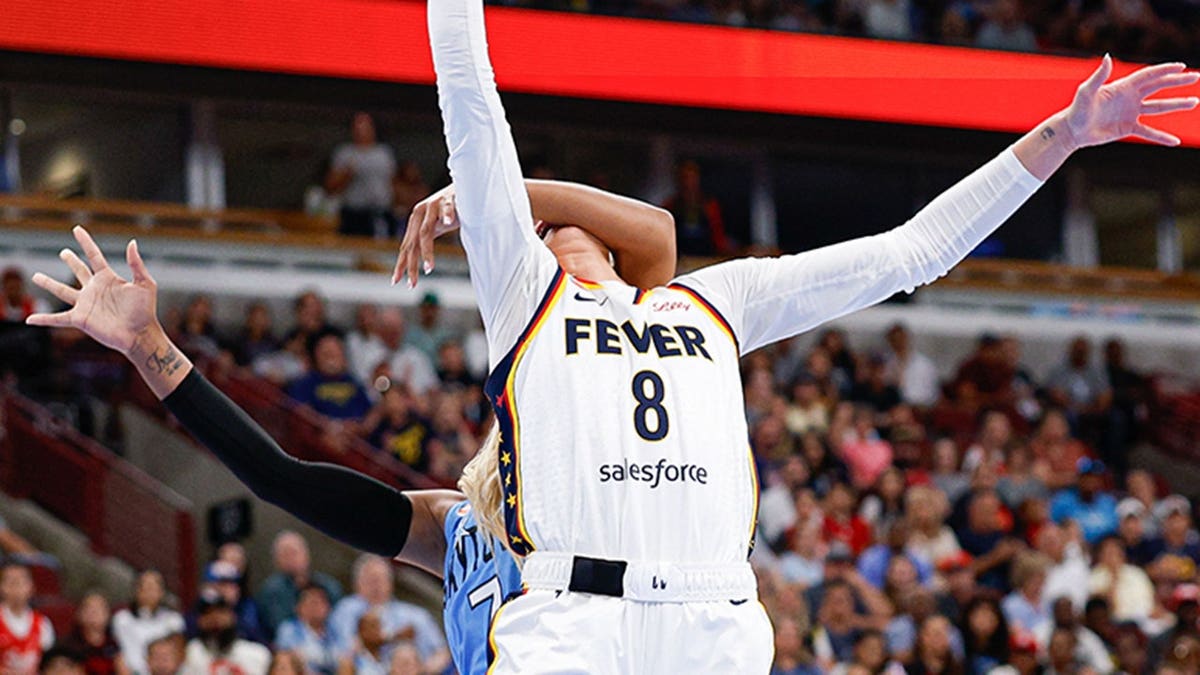
In a recent WNBA game, an incident between DiJonai Carrington and Sophie Cunningham sparked significant debate over racial issues within the league. Carrington delivered a hard foul to Cunningham, leading to her ejection and accusations of racism towards league officials.
The game saw Carrington executing a harsh, flagrant foul against Cunningham. The referees responded appropriately, ejecting Carrington from the match. Following her ejection, Carrington accused the officials of racism, a claim viewed by many as unsubstantiated but serious.
Many in the sports media, particularly those on platforms like Threads and Bluesky, leapt to Carrington’s defense. They argued a racial bias, citing a past incident where Cunningham committed a similar foul but was not met with the same backlash. Jemele Hill and Cari Champion referenced this, noting Cunningham’s gain in followers and her reputation as an enforcer after the incident last year. They questioned whether Carrington would receive similar treatment.
To revisit past events, Cunningham had once retaliated against Caitlin Clark’s opponents, an action that did not result in severe consequences for her. Cunningham acknowledged her deserving ejection, contrasting with Carrington’s denial and race-related claims.
Media figures like Maria Taylor have also been engaged in this conflict, suggesting the criticisms against Carrington were part of a ‘culture war.’ In their discussions, networks often omitted Carrington’s controversial social media post about ‘White privilege,’ leading to accusations of downplaying the issue.
You read correctly. Cindy Brunson argued that Carrington did not deserve the penalty, placing blame on Cunningham instead.
The controversy extends beyond just these figures. It involves reporters and network shows who have sometimes chosen to overlook or reinterpret the circumstances to support certain narratives. Critics argue this reflects a reluctance to criticize Black athletes in conflicts with white players, pointing out racial dynamics and perceived double standards within the media.
The tension is highlighted by interactions where former players like Sydney Colson have endorsed aggressive plays, using social media to mock Cunningham. It raises concerns of racial idolatry within the sport and media coverage surrounding it.
These ongoing issues contribute to challenges in supporting the league. There is a perception of racial and identity politics influencing attitudes and behaviors. Critics warn of potential escalation if such dynamics persist unaddressed.