
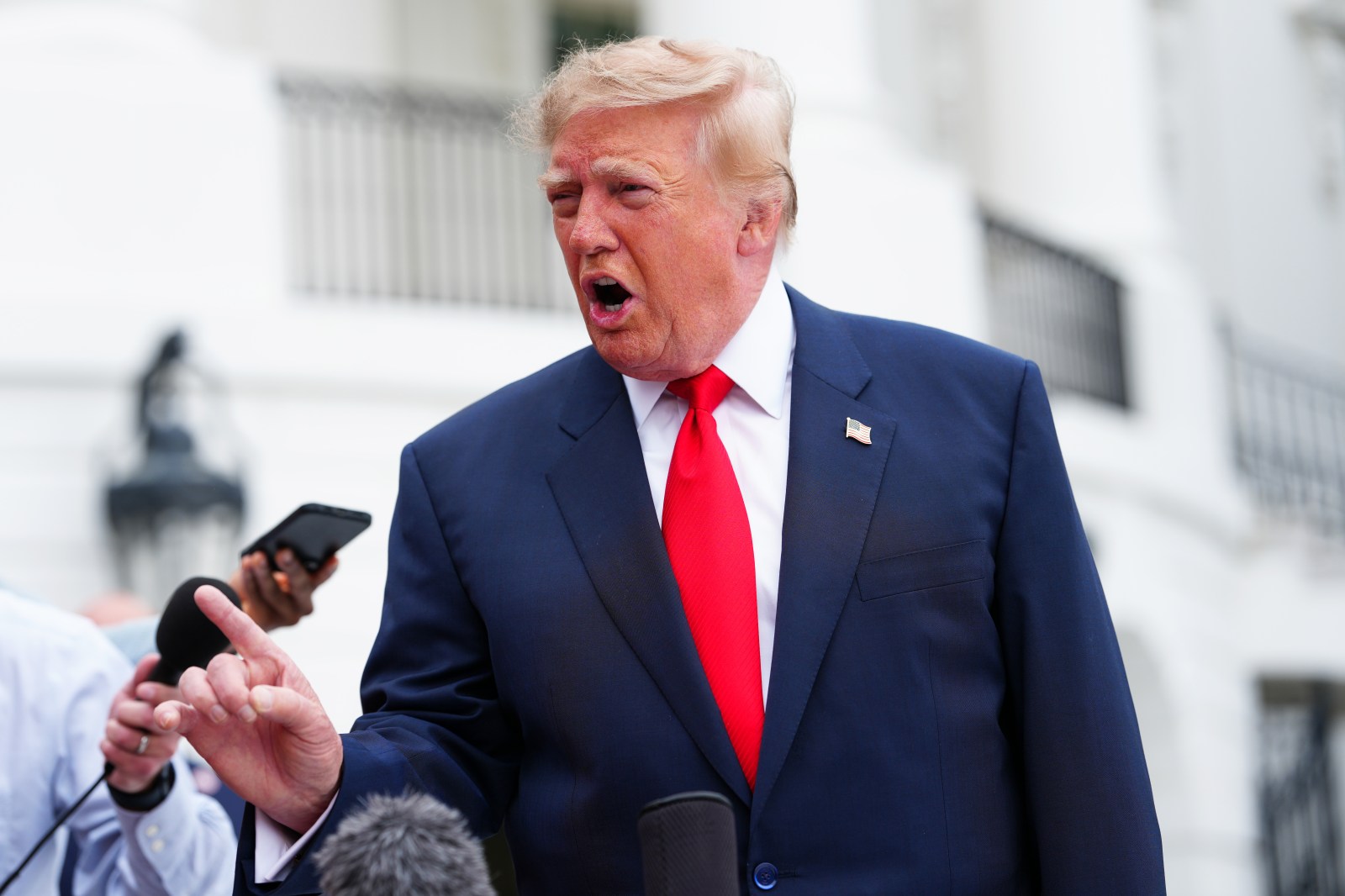
Diesel prices will decrease significantly under a new agreement with Russia, according to President Donald Trump. On Friday, Trump announced that Russian President Vladimir Putin had agreed to supply extra diesel fuel after the administration approved certain transactions involving Russian diesel. However, energy analysts believe the deal is unlikely to provide major relief before the upcoming midterm elections on November 3.
Optimism and Skepticism
The White House expressed optimism about the deal, stating that adding hundreds of thousands of tons of diesel fuel to global markets would lower prices. A White House official noted that this would benefit American farmers, truckers, and workers. The Treasury Department issued an OFAC license allowing Russia to immediately begin selling diesel to the United States and internationally.
Yet, analysts speaking with Newsweek remain doubtful about the agreement’s capacity to significantly lower prices before the elections. Patrick De Haan from GasBuddy mentioned that the promised volumes are too small to alter market fundamentals meaningfully. He highlighted that the deal might only lead to slight decreases, if it happens at all, as Russia may lack the diesel to fulfill the agreement.
Challenges and Limitations
Tom Kloza from Gulf Oil also questioned Russia’s ability to provide the diesel due to domestic needs and issues from the ongoing conflict with Ukraine. Refinery disruptions in Russia, caused by drone attacks, and other pressures in the Middle East complicate the situation.
Energy economist Ed Hirs pointed out that diesel intended for consumption over the next few weeks is already in the supply chain. This time lag in transport and refining makes substantial price changes unlikely before the midterms.
The Political Context
Diesel prices are critical. Economic sectors such as trucking, farming, and construction heavily rely on diesel. Rising prices impact supply chains and contribute to inflation. Trump’s administration has targeted this issue by temporarily allowing dyed diesel use on public roads and facilitating additional Russian exports.
Nevertheless, some Republicans oppose the agreement. Representative Brian Fitzpatrick has announced plans to introduce bipartisan legislation to halt Russian oil purchases, arguing that it funds Russia during a time of conflict.
Analysis of Supply and Demand
Bob McNally from Rapidan Energy Group emphasized the global market’s deficit of around one million barrels of diesel per day. Russia’s offer, only a fraction of lost supply, will not compensate for current shortages stemming from broader geopolitical tensions.
Ukrainian President Volodymyr Zelensky disagreed with Trump’s assessment of diesel prices, attributing price rises to global conflicts like the blocking of the Strait of Hormuz rather than Ukrainian actions. He criticized Trump’s suggestion for a change in Ukraine’s leadership, asserting that Ukrainian citizens have the right to elect their leaders.
Zelensky accused Russia of not honoring a supposed ceasefire on targeting energy facilities. Russia continued attacking Ukrainian energy targets, contradicting Trump’s earlier announcement. European allies, meanwhile, remain doubtful about the arrangement and continue with sanctions against Russia.
Despite Trump’s initiative aiming to reduce fuel costs, the situation remains deeply entwined with the ongoing war in Ukraine. The limited diesel volumes being discussed are unlikely to produce significant market changes ahead of the election.