
On December 3, 2026, the United States government plans to publicly execute Nidal Hasan at a firing range in Fort Hood. Hasan, an Army psychiatrist, committed a mass shooting at the Texas Army post in 2009, resulting in 13 deaths and 32 injuries. After years of appeals, the Army is preparing to execute him by firing squad, with the event available via livestream.
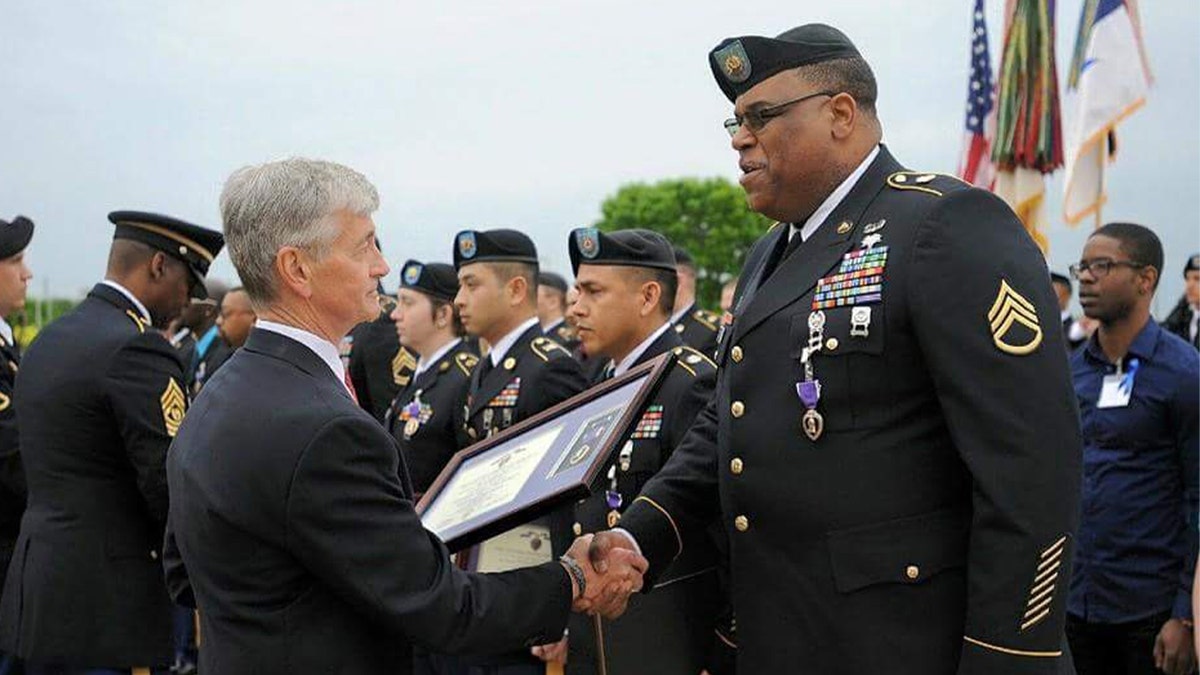
For Alonzo Lunsford, a survivor of the attack who was shot seven times by Hasan, the situation is complex. Lunsford plans to attend the execution, expressing forgiveness towards Hasan but asserting that justice should be served. He opposes turning the execution into entertainment, emphasizing the gravity of the event that should not be trivialized.
Lunsford, who survived Hasan’s attack, has continued to deal with physical and emotional wounds from the incident while finding purpose in mentoring and coaching. He has forgiven Hasan as part of his healing process but believes that punishment is necessary. The public execution raises concerns about sensationalizing a significant event and the ethical implications of livestreaming it.
Some officials, including War Secretary Pete Hegseth, support the public execution, arguing that Americans should witness the consequences of such crimes. Vice President JD Vance expressed skepticism about the execution being streamed, indicating he would not watch it.
The decision to livestream the execution has drawn criticism from various political figures and Catholic bishops, highlighting concerns that public broadcasts of executions are associated with oppressive regimes. They argue that such actions could harm the moral fabric of the nation.
Moreover, there are national security concerns about providing footage that could be exploited by terrorist groups for propaganda. Matthew Levitt, a counterterrorism expert, noted the potential risks of radicalization.
For Lunsford, the execution remains deeply personal. He wishes to see Hasan face justice and hopes the condemned man uses his final moments to apologize and repent.