
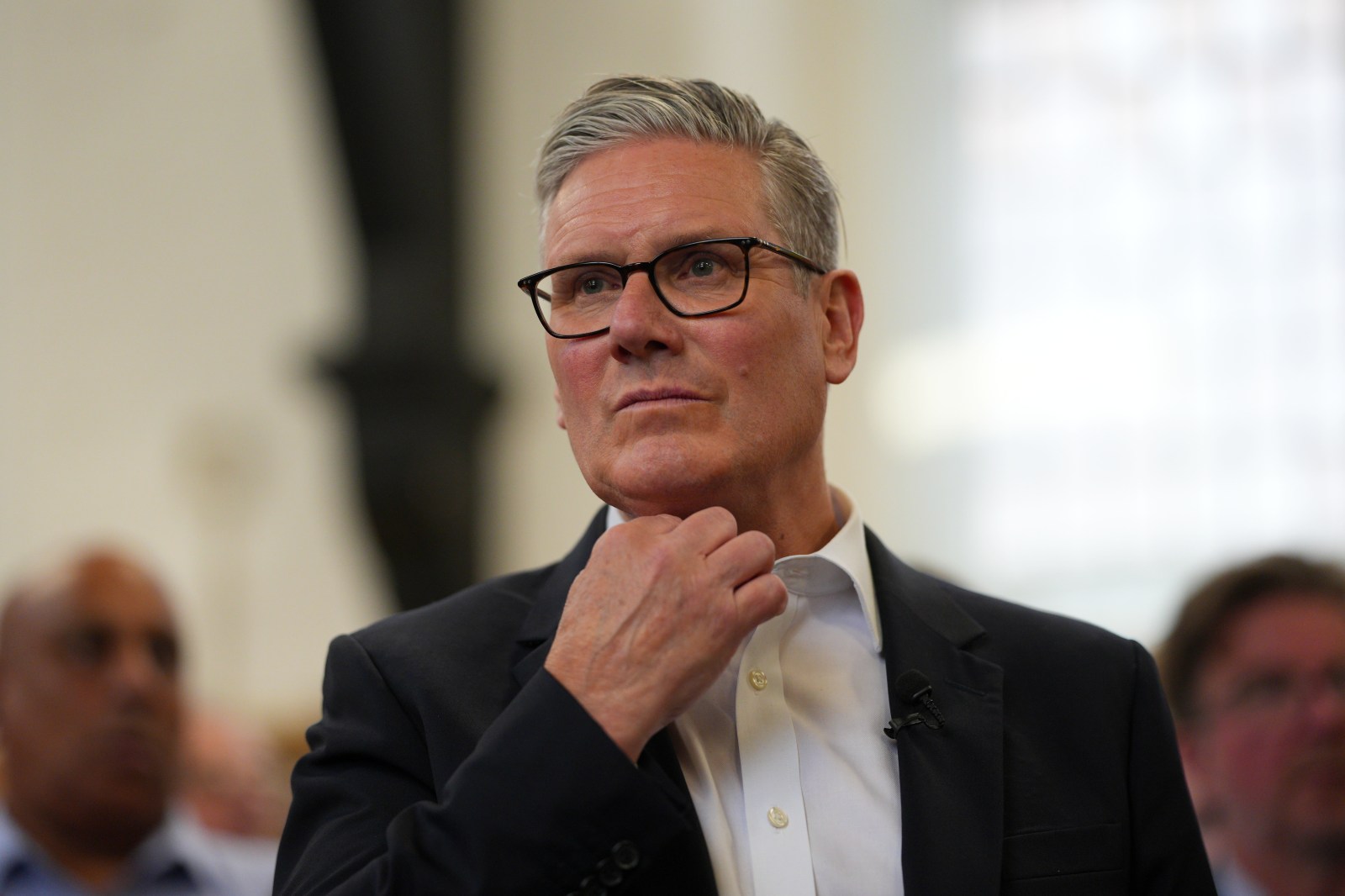
The British Prime Minister, Keir Starmer, is reportedly considering resignation. The Observer reported that he may announce his departure plans on Monday. This could lead to a swift change in leadership within the government.
The newspaper indicated that Starmer has decided his role as Prime Minister is indefensible after talks with senior Cabinet members, advisors, party backers, and union leaders. These discussions occurred amidst growing pressure regarding his leadership and questions about his standing in the Labour Party.
The situation is still developing, with no official statement from Starmer or Downing Street. Newsweek contacted Starmer’s office for comments on Saturday evening.
Preparing for Departure
According to The Observer, Starmer, who assumed the role in 2024, plans to outline a structured departure from Downing Street. A statement may be made as early as Monday, hinting at a potential leadership contest or interim measures based on how the process unfolds.
Starmer has recently been assessing his options, speaking with key figures before reaching a decision. These conversations seemed to validate worries about his capacity to hold authority within both the party and the government. He reportedly discussed the matter with his wife at Chequers, the prime minister’s country residence.
Mounting Internal Pressure
The reported decision follows increasing apprehension within the Labour Party, where some senior members doubted Starmer’s ability to maintain the support coalition that brought them to power.
Pressure has been building over recent weeks. Last month, more than 80 Labour colleagues urged Starmer to step down after the party lost over 1,100 council seats in local elections across England. Reform UK, in contrast, won over 1,450 seats. Starmer faced criticism for Labour’s declining popularity, tied to economic issues and policy missteps, such as appointing a friend of Jeffrey Epstein as the UK ambassador to the United States. Although Starmer dismissed Peter Mandelson in September, he was never connected to Epstein and faces no allegations of wrongdoing.
While The Observer didn’t specify triggering events, consulting Cabinet ministers and union leaders suggests broad institutional issues, which is a strong signal of potential leadership shifts in British politics.
Attention Turns to Andy Burnham
If Starmer resigns, focus will quickly shift to his potential successor. Andy Burnham, the Greater Manchester mayor, emerges as a possible contender. His recent return to Parliament and by-election victory have fueled speculation about a leadership challenge.
Burnham, 56, remarked in his victory speech, “Everyone knows that politics isn’t working. Everyone can feel that the country isn’t where it should be. Tonight could, just could, be the turning point.”
Starmer congratulated Burnham on X, stating that voters chose Labour’s hopeful campaign over division. However, Starmer remains resolute, declaring his intent to contest any leadership challenge, saying, “I will run, I will stand. I’ve said repeatedly I’m not going to walk away from that.”
Burnham’s previous comments could shape future debates. He criticized the “poisonous” polarized U.S.-style politics and noted Donald Trump’s approach brought “instability” internationally. These views may impact the UK’s relationship with Washington if Burnham leads. He will head to London to be sworn in as a lawmaker soon.
Labour’s leadership rules necessitate a formal contest, though timelines can differ based on internal decisions and urgency. Temporarily, a senior Cabinet member might serve in an acting capacity. This transition could affect the government’s legislative agenda and its stability during this period.