
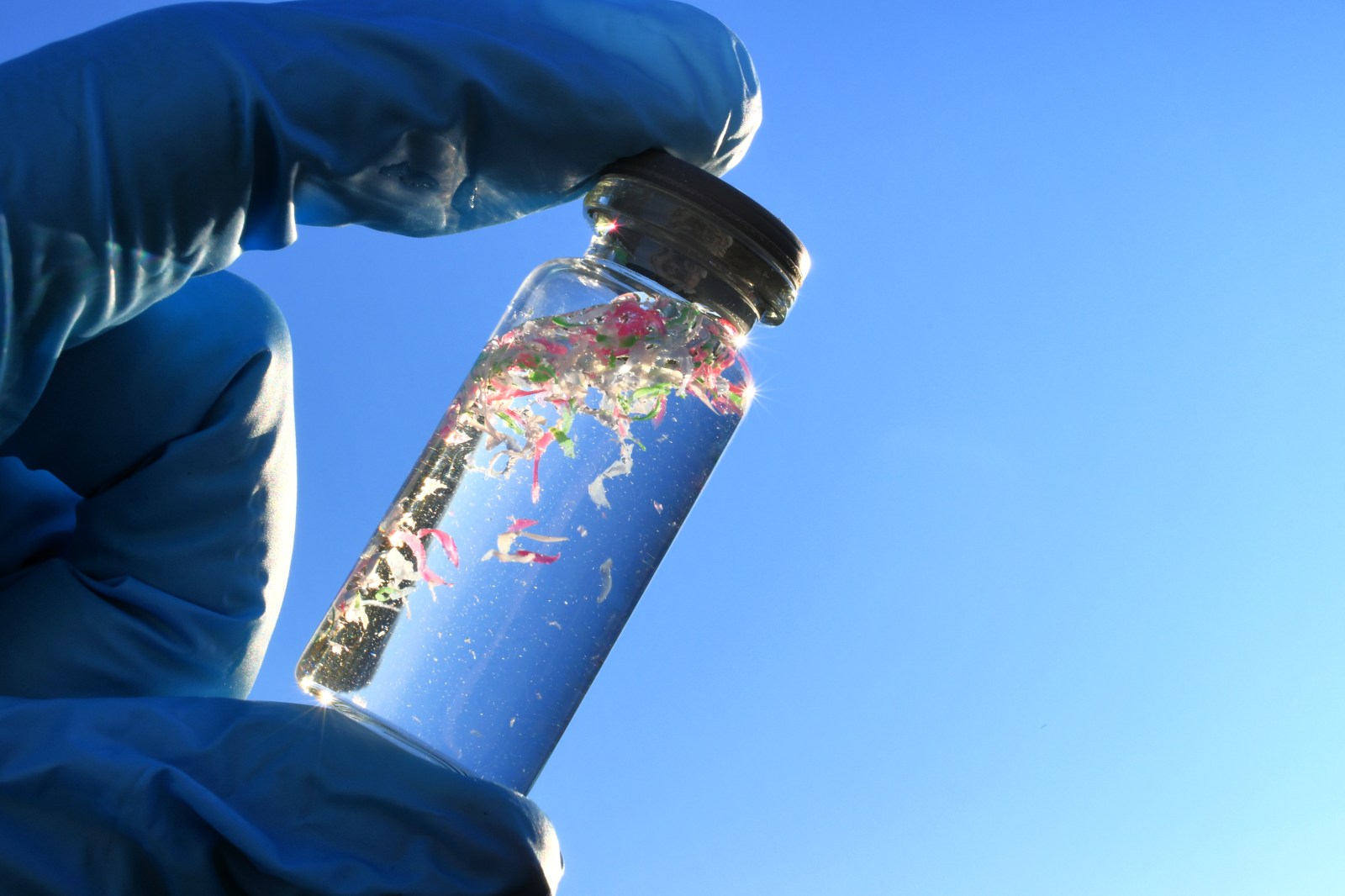
Recent research from Texas A&M University highlights the potential risks of polyethylene, a common plastic used in food packaging, in contributing to and worsening fatty liver disease. The study reveals that polyethylene increases signs of this condition, particularly when combined with an unhealthy diet.
The Study of Polyethylene
Polyethylene is one of the most widely used plastics globally. Despite its prevalence, it has received less scrutiny regarding its health effects compared to other microplastics. The breakdown of plastic products leads to microplastics, which have been detected in the environment and human bodies. Dr. Adi Joshi, an associate professor at Texas A&M, affirmed the lack of studies regarding polyethylene’s impact on liver health.
Polyethylene & Fatty Liver Disease
The researchers aimed to assess polyethylene’s role in fatty liver disease, a condition marked by excessive fat buildup in liver cells. Findings indicated that polyethylene exposure heightens disease markers, exacerbated by a Western-style diet high in fats, fructose, and cholesterol.
Dr. Joshi noted that this diet, characterized by foods like burgers and sodas, may increase the likelihood of developing fatty liver disease when coupled with polyethylene exposure. The study employed spatial transcriptomics to analyze gene activity within the liver tissue, identifying areas of damage.
Mechanisms and Further Research
The protein PPAR-alpha, known for regulating liver fat production, emerged as a significant factor in response to polyethylene. Another gene, ANXA2, involved in tissue repair, was also identified as a contributor. Dr. Nhan Nguyen stressed the importance of further studies since direct causal links in humans remain unconfirmed, though the biological pathway exists in humans.
Dr. Nguyen cautioned against immediate conclusions concerning human health based exclusively on the study’s findings. He emphasized the need to compare exposure levels to realistic human ingestion of microplastics.
Future Directions
Researchers aim to explore if polyethylene may influence later stages of liver disease, like fibrosis, and to examine additional molecular pathways related to microplastic exposure. They also hope to investigate manipulating the PPAR-alpha pathway as a potential method to mitigate polyethylene’s liver effects. Dr. Joshi highlighted the study’s pioneering approach using spatial transcriptomics to pinpoint damage locations in the liver.
“What the study shows is that in mice with diet-driven liver stress, adding polyethylene made injury markers worse,” Nguyen remarked, emphasizing the need for further research in human contexts.
Such studies contribute to raising public awareness about microplastics and environmental chemical exposure. As these issues gain more public attention, there is an increasing call to address the dangers of everyday chemical exposure in society.
Reference: Joshi et al. Spatial transcriptome mapping identifies Ppara-Anxa2 cross-talk in microplastic-induced hepatotoxicity. Science Advances. DOI: 10.1126/sciadv.aec868