
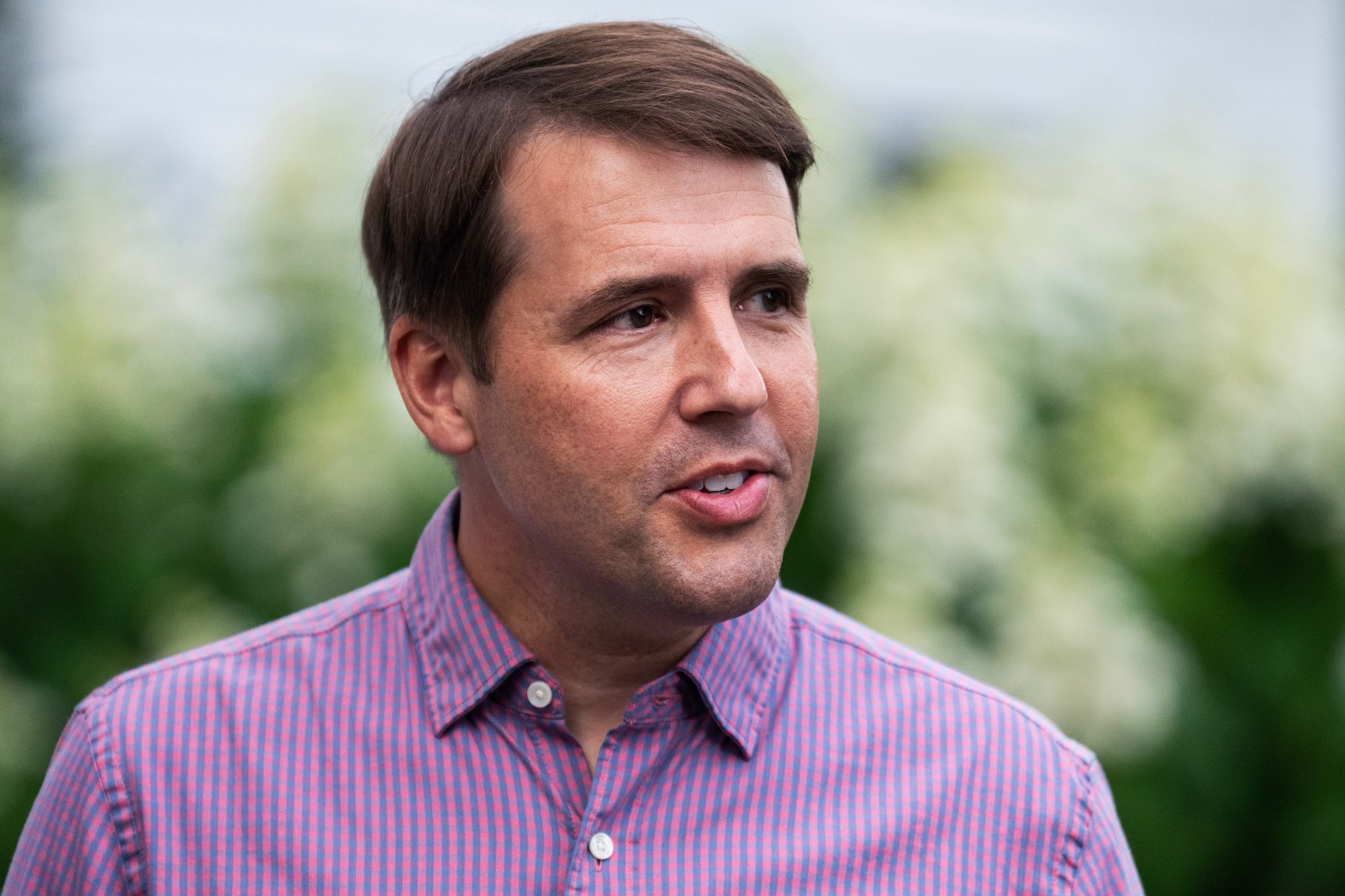
Polling Challenges for Chris Pappas
Democratic Representative Chris Pappas has faced another setback in polling against former Republican Senator John Sununu in the contentious New Hampshire U.S. Senate race. With the 2026 midterm elections approaching, this seat is critical for the Democrats. Both Pappas and Sununu are expected to secure their party nominations soon, succeeding retiring Senator Jeanne Shaheen.
Despite New Hampshire supporting Vice President Kamala Harris by around 3 points in the 2024 elections, Republicans view Sununu’s candidacy as a chance to reclaim the seat he once held from 2003 to 2009. Democrats predict Pappas’ experience in a swing district positions him favorably, especially given national dissatisfaction with President Donald Trump.
Tight Polling Results
However, two recent polls indicate Sununu holds a slight advantage over Pappas. Although Democrats have a nominal lead according to many forecasters, the polls signal potential difficulties for them in securing a Senate majority this November.
Pappas’ campaign responded, with manager Rachel Petri emphasizing the difference between a committed candidate like Pappas and one who ‘hides,’ referring to Sununu. She asserts that while outside groups might try to purchase Sununu’s victory, Pappas remains engaged with voters.
Details of Recent Polls
A GOP poll by Fabrizio, Lee & Associates showed a statistical tie with Sununu at 37% and Pappas at 36%, alongside 23% undecided voters from a survey of 600 likely voters.
In a similar timeframe, a University of New Hampshire poll reflected Sununu’s 45% to 43% lead over Pappas and showed Pappas leading against former Senator Scott Brown by 5 points. This sample included 1,878 voters with a 2.3 percentage point margin of error.
Pappas has served New Hampshire since 2019. Sununu, part of a longstanding political family, seeks to regain a Senate seat. His father and brother have both held the governorship.
Earlier Polling Trends
Previous polls showed Pappas leading slightly. A Saint Anselm College poll indicated him ahead by 7 points, while a GOP internal poll suggested a 1-point lead. Earlier UNH polls also had Pappas in the lead.
Both candidates emphasize affordability and cost of living. Pappas focuses on healthcare and anti-corruption measures. Sununu, critical of the Iran conflict, also emphasizes economic issues.
New Hampshire’s Primary Date
The New Hampshire primary is scheduled for September 8. Sununu leads against Brown in polls and has Trump’s endorsement. Pappas faces a progressive challenger, Karishma Manzur, but maintains a strong polling position.
Predictions and Challenges
Prediction markets reflect Democratic strength in New Hampshire, with an 83% and 84% chance of victory on platforms like Kalshi and Polymarket. These markets rely on real-money wagers indicating likely outcomes but are not always accurate.
If the GOP wins in New Hampshire, it could complicate the Democrats’ Senate plans. With a 53-47 Republican majority, Democrats need four additional seats to gain control, considering Vice President JD Vance’s tiebreaking vote.
Democrats defend seats in Trump-won states like Georgia and Michigan and target GOP-held seats in Maine and North Carolina. Without these, they must win in traditionally conservative states to shift Senate control.
New Hampshire’s Political Landscape
New Hampshire remains a challenging state for Republicans at the federal level, though supportive of GOP governors. The state marginally supported Harris in 2024 and Biden in 2020. Clinton narrowly won there in 2016.
Major cities like Manchester and suburbs lean Democratic but not overwhelmingly. Rural areas in the northern part and tourist-dependent regions lean Democratic, yet sparsely populated sections can be more Republican.
Winning independent voters is crucial, as they form a significant portion of New Hampshire’s electorate, currently outnumbering both major parties’ registrations.