
Introduction of New Evaluation System
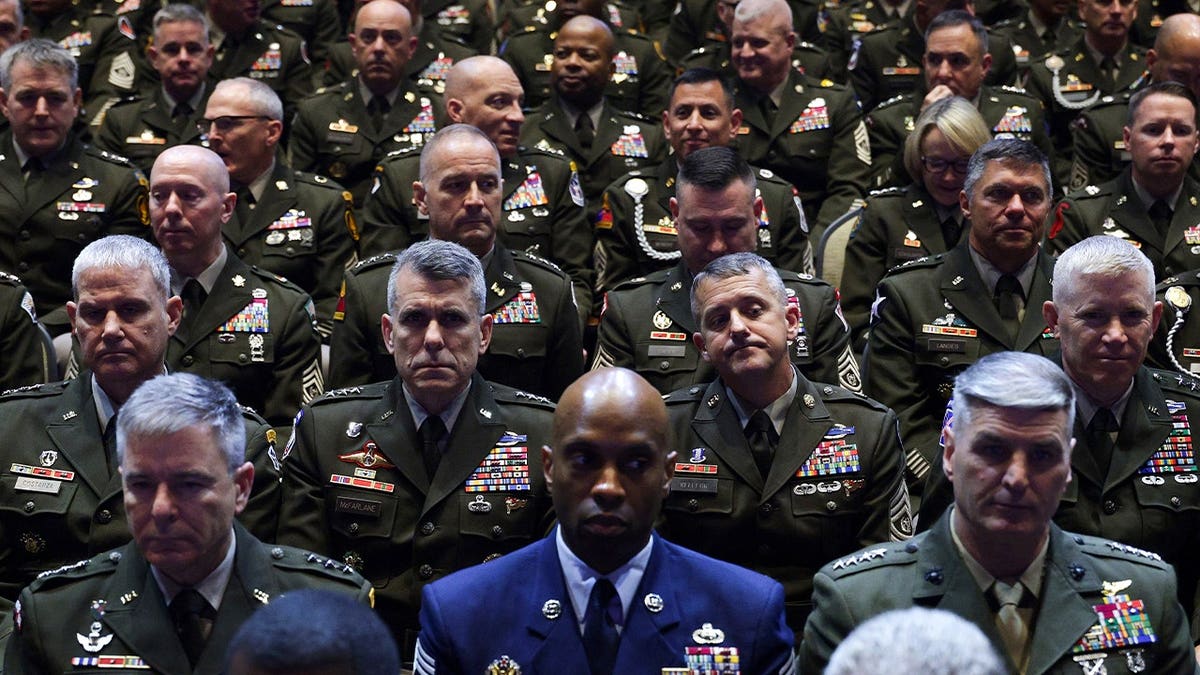
The Pentagon is introducing a new assessment for senior officers aspiring to become generals. This battlefield-style test seeks to evaluate how these officers handle complex military challenges. This marks the most substantial change in decades concerning the selection process for generals across all military branches.
Details of the Joint Warfighting Evaluation (JWE)
According to internal documents, each military service has created its version of the Joint Warfighting Evaluation (JWE). This standardized assessment evaluates operational planning, decision-making, and leadership abilities under simulated combat conditions. The Pentagon wants this assessment to supplement existing performance evaluations. The JWE will be an additional metric considered by promotion boards starting with the fiscal year 2027 cycle.
A Shift in Focus
This initiative stems from Secretary of War Pete Hegseth’s efforts to overhaul evaluations and promotions. The focus is on identifying officers capable of performing well in combat, as opposed to simply building strong career records.
Challenges and Realignment of Evaluation System
The current system relies heavily on evaluations from superiors throughout an officer’s career. These evaluations form the core records considered by promotion boards. Stu Scheller, the senior Pentagon adviser leading the effort, highlighted the issue with current evaluations. He notes that some personnel excel at convincing their superiors of their value, which is different from excelling at their job.
Scheller stated, “People figure out they don’t have to be the best at their job, they have to be the best at making sure their boss thinks they’re the best.”
Implementation Across Services
The Pentagon crafted six versions of the JWE — one for each of the five military services, plus another via the Joint Staff. These range from online simulations to extensive, in-person wargames. Officers will encounter military problems and make decisions while facing AI-powered adversaries. Evaluators will observe their responses as they adapt to counter moves.
Varied Approaches by Services
- The Army plans a remote written assessment followed by a digital wargame for about 900 colonels.
- Approximately 1,330 Air Force colonels will take a two-hour online analysis test followed by an interactive simulation.
- The Space Force plans a similar format for roughly 125 officers.
- The Navy requires 308 captains to undergo a written assessment and wargame at the Naval War College.
- The Marine Corps has an eight-hour evaluation using AI-driven assessments for up to 175 colonels.
Potential Adjustments to Assessment
Scheller pointed out that while these exercises can’t fully replicate combat pressures, the initiative is open to adjustments. The Pentagon plans to refine the assessments as they learn what works.
“Ultimately, no matter how good we get at this, there’s no one task that’s gonna perfectly replicate war,” Scheller commented.
Continuation of Existing System
Scheller emphasized that the new assessments are a supplementary measure, not a replacement for current evaluations. Performance reports will continue as the primary evaluation component, with the JWE adding another layer to the review process.
Transformation in Military Leadership Selection
The Pentagon expects the first real test of this system with evaluations scheduled between February and June 2027. Promotion boards will convene from July to September. The results from this cycle will inform how the JWE influences future promotion decisions.
This new step is part of a comprehensive overhaul of the Pentagon’s senior leader selection process. Secretary Hegseth aims to promote top performers swiftly while removing ineffective individuals promptly.
The changes have prompted concerns about political influence within the traditionally service-driven promotion process. These developments have coincided with noticeable turnover among military leaders.