
North Koreans are being encouraged to consume dog meat soup to boost their health as a heat wave affects Northeast Asia. Regional authorities have recently issued heat warnings and advised residents to avoid unnecessary outdoor activities. The extended high temperatures are putting public health systems, local power grids, and agriculture under stress.
On Sunday, the Rodong Sinmun, North Korea’s ruling Workers’ Party official newspaper, featured an interview with a senior doctor from Pyongyang General Hospital. The doctor provided unique advice on managing health during the hot weather.
Protein Prescription
“The basic principle” for maintaining health in high heat is to reduce body heat, said Dr. Min. He emphasized consuming produce like watermelon, grapes, cucumbers, and oriental melons. For protein intake, he suggested fish and red-bean porridge, along with a traditional dish named dongogi, or dog meat soup. “If the body lacks protein, immunity weakens and appetite declines,” he noted.
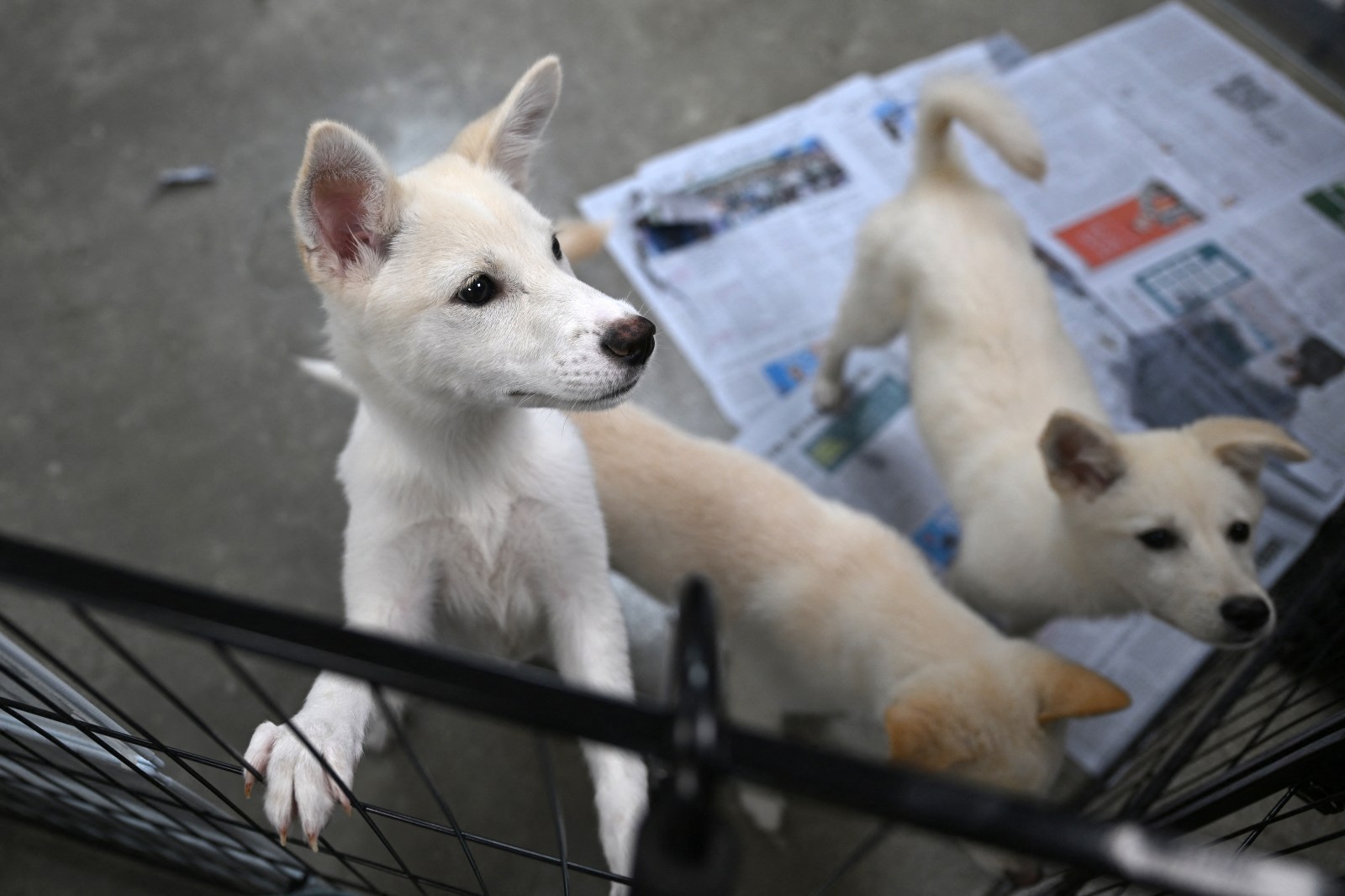
Dog meat soup has deep cultural roots on the Korean Peninsula but is viewed differently in the North and South. In South Korea, known as bosintang, this soup is traditionally consumed during the hottest days, as some believed it restored energy lost in summer heat. However, consumption has significantly decreased in South Korea over the decades, especially among younger people, due to rising concerns about animal welfare. In 2024, the country introduced a law banning the breeding, slaughter, distribution, and sale of dogs for consumption, with the regulation set to be fully enforced by February 2027.
Northeast Asia Bakes in Record Heat
The Rodong Sinmun interview coincides with a broader Northeast Asian heat wave elevating temperatures to perilous levels in North Korea, South Korea, Japan, and parts of China. South Korea recorded its highest temperature since modern records began when thermometers hit 108.5 degrees Fahrenheit on August 2. President Lee Jae Myung referred to the heat wave as a “national disaster.” During the week of July 20-26, Japan’s Fire and Disaster Management Agency reported over 18,000 people hospitalized with heatstroke symptoms, and 45 fatalities were recorded.