
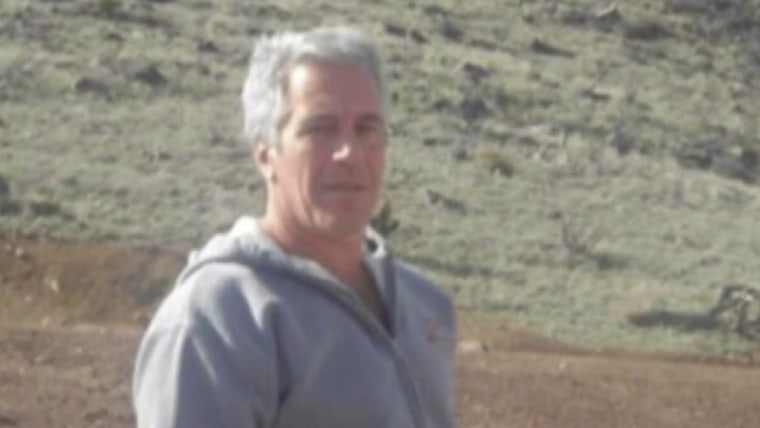
New Mexico lawmakers are taking significant steps to uncover Jeffrey Epstein’s activities in the state and identify others who might be prosecuted. A committee, the New Mexico Truth Commission, plans to issue subpoenas to 14 targets, including federal agencies like the U.S. Justice Department and FBI, as well as state and local law enforcement. The demands will also extend to Epstein’s former banks, Deutsche Bank and JPMorgan Chase, and the Santa Fe Institute, a nonprofit supported by Epstein.
Committee members intend to build a comprehensive public record of events and responsible parties. Republican state Rep. Andrea Reeb emphasized the importance of creating an evidentiary record that meets the needs of survivors and complies with legal standards. The commission comprises four members and is collaborating with the New Mexico Department of Justice, which has reopened a criminal investigation closed in 2019 at the request of federal prosecutors in New York.
Epstein owned a ranch near Santa Fe since 1993 and visited frequently, but he was never charged with crimes in New Mexico despite allegations of sexual misconduct dating back many years. Court testimony, lawsuits, and other records reviewed by NBC News revealed that at least 10 women accused Epstein of grooming or abusing them at the ranch starting in the mid-1990s. Half of these women were teenagers at the time.
The failures in New Mexico reflect a broader pattern in Epstein’s past, beginning with a Florida investigation where he was accused of paying underage girls for sex. In 2008, he reached a deal that avoided severe jail time and halted further investigations. He was required to register as a sex offender in Florida and New York, but not in New Mexico.
The case gained new momentum in 2019 when federal investigators in New York pursued charges after the Miami Herald exposed Epstein’s plea deal. This led to the prosecution of Ghislaine Maxwell, Epstein’s accomplice, who faced trial where New Mexico allegations were briefly mentioned. Maxwell is now serving time in federal prison.
In January, the Justice Department released volumes of Epstein-related documents, revealing efforts to end the New Mexico state investigation in 2019 and new allegations of crimes at the ranch. A particularly disturbing claim involved an unsubstantiated allegation of two bodies buried on the property, prompting renewed interest in Epstein’s activities at the ranch.
The commission’s work will highlight the experiences of survivors, investigating sex trafficking, financial crimes, and potential “medical and scientific crimes,” as outlined by state Rep. Marianna Anaya. Although details were not provided, the commission aims to recommend state law reforms to address legal gaps that hindered prosecutions.
The commission heard from survivor Rachel Benavidez, who reported abuse by Epstein while working as a massage therapist at the ranch, and from the family of outspoken victim Virginia Giuffre, who committed suicide last year. Benavidez emphasized Epstein’s extensive network, stating, “The tentacles of this evil network extend across academia, science, medicine, politics, finance, and government.”